Serve the Community
Enabling the Kaʻū community to share and enjoy Punaluʻu in a respectful, orderly, and sustainable way
No Commercial Activity
No vending on the sand. No motor vehicles on the beach to prevent environmental damage and pollution.
Protect What’s Sacred
Providing wildlife like the honu (sea turtle) a safe home. We protect the pond, the birds, and the balance of life.
Clean Up & Restore
Old structures are being repaired with care. Facilities like restrooms, water systems, and signage are being renewed.
Land Management
Punaluʻu is a vital part of life in Kaʻū and welcomes nearly 500,000 visitors a year
A shoreline where fishing, gathering, and local traditions continue. It’s a living place, shaped by memory and responsibility, still in use every day.
But time takes its toll. Infrastructure has aged. Cultural spaces have faded. And the natural environment faces increasing pressure.
Restoration isn’t just needed — it’s urgent. And how we move forward matters.
Stewardship isn’t a slogan. It’s kuleana — a shared duty to care for this ʻāina with humility, clarity, and consistency. Restoration at Punaluʻu means putting that care into practice, every single day.
Restoration, Management, and Stewardship
- Restoration: ensures infrastructure is safe and operational
- Management: ensures use is orderly and sustainable
- Stewardship: ensures the place can be passed on
A) Restoration — Aging Infrastructure
Punaluʻu has long supported residents, visitors, and community life. Much of the area’s essential infrastructure—including water systems, drainage, access roads, and fire-related facilities—was constructed approximately 50 years ago and has not undergone comprehensive upgrades. As a result, these systems are now approaching the end of their functional lifespan.
Why Restoration Can’t Wait
Breakdowns are imminent
Deteriorating water and utility lines threaten sudden service failures, environmental damage, and blocked access.Structures may collapse
Unmaintained buildings, walls, and facilities are at real risk of falling—posing serious danger to anyone nearby.Safety is already an issue
Crumbling walkways, decaying structures, and overgrowth increase risks for both residents and visitors.Nature is losing ground
Without care, erosion worsens, ecosystems weaken, and habitats for honu and native birds degrade beyond recovery.
Who Depends on Punaluʻu
This place sustains more than scenery—it sustains life, connection, and community:
Local ʻohana
93 households rely on this area for daily access, gathering, and living.500,000+ visitors each year
Tourists come to see the black sand and sea turtles—but often don’t see the stress it causes.Neighboring towns
Nā‘ālehu, Pāhala, Ocean View, and South Point are directly impacted by what happens at Punaluʻu.Native wildlife
Honu, seabirds, and coastal species rely on this shoreline to rest, nest, and survive.
Infrastructure Comes First — Or Nothing Works
Of all the work needed at Punaluʻu, this is the foundation. Without functioning infrastructure, nothing else can move forward.
This isn’t about upgrades. It’s about basic survival.
If water lines break, clean water stops flowing. If wastewater systems fail, health risks rise. If fire access routes are blocked, lives are at risk. These aren’t hypotheticals — they’re real threats already in motion.
The 93 households near Punaluʻu can’t live without safe water, sanitation, and emergency access. Half a million visitors each year rely on basic public facilities — restrooms, safe walkways, clear signage. Neighboring communities like Nā‘ālehu, Pāhala, Ocean View, and South Point all feel the effects of what happens here. And if the systems designed to protect nature collapse, the ecosystem doesn’t stand a chance.
Fixing infrastructure isn’t one priority — it’s the prerequisite. Without it, nothing else works. With it, we restore the ground that everything else can stand on.
B) Respecting Access Keeps Everyone Safe
To ensure safe and sustainable access for all, we ask visitors to follow posted signs and guidelines — especially around vehicle use.
Please do not park or drive in restricted beachside areas.
Only authorized vehicles are allowed past certain points for safety, environmental, and legal reasons.
Unauthorized parking:
Blocks emergency access routes
Damages sensitive ground cover and root systems
Increases the risk of accidents and liability
Let’s all kōkua — help keep Punaluʻu open, safe, and welcoming for generations to come.
Black Sand Doesn’t Come Back
Punaluʻu’s iconic black sand is not just beautiful — it’s irreplaceable.
Formed over centuries by the meeting of volcanic lava and ocean waves, this sand is a rare geological feature and a cultural treasure. Unlike other beaches, it does not naturally replenish itself when lost or damaged.
That’s why oil from vehicles is especially harmful.
When cars park or drive too close to the shoreline:
Oil and fluids leak into the sand, staining it permanently and harming marine life
Toxins reach groundwater and the ocean, affecting native species and water quality
The black sand becomes contaminated, and there’s no easy way to clean or restore it
Every drop of oil leaves a mark that can’t be undone.
Let’s protect the sand — and everything it touches — by keeping vehicles only in designated areas.
Together, we can keep Punaluʻu clean, sacred, and safe.
The purpose of management is not to limit access, but to ensure that access remains safe and sustainable.
C) Stewardship — Culture, History, and Nature
When infrastructure fails and use becomes unmanaged:
- Historic features deteriorate
- Ecosystems experience stress
- Wildlife habitats are disturbed
- Preserve history and memory
- Protect coastal ecosystems
- Maintain the relationship between community and land
Mahalo to Our Community Volunteers
Every branch cleared, every path restored, and every hour shared makes a difference.
Together, we’re not just cleaning up — we’re caring forward, for the land and the generations to come.

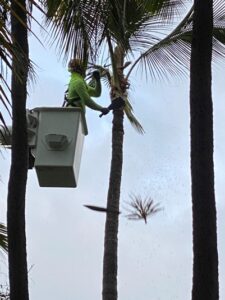

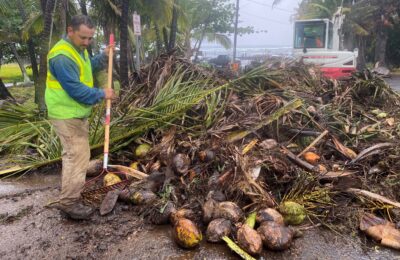
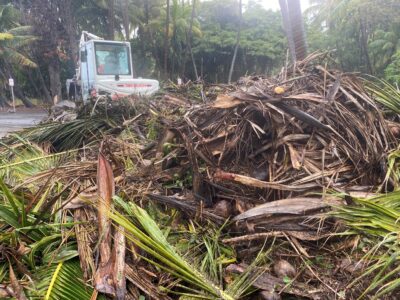
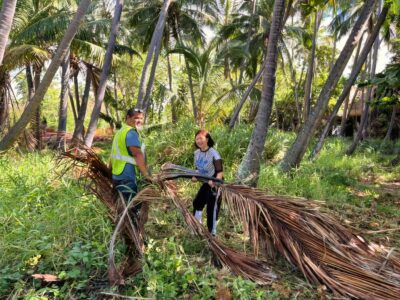

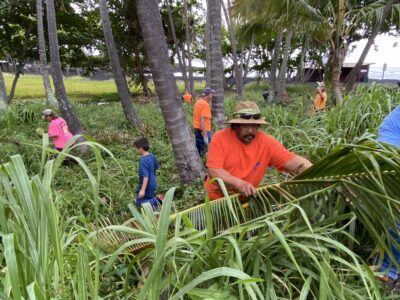
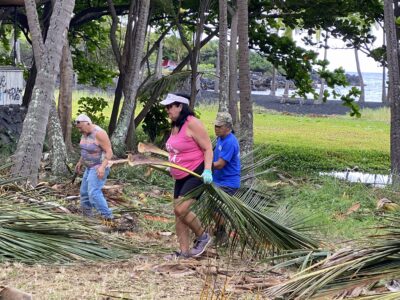
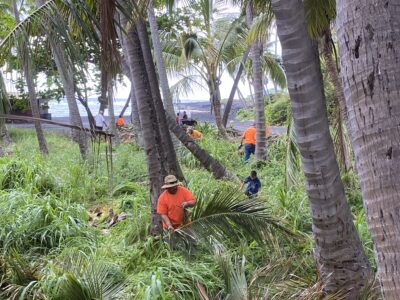
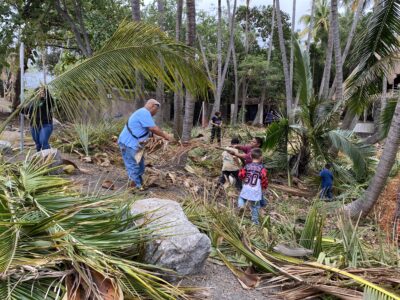
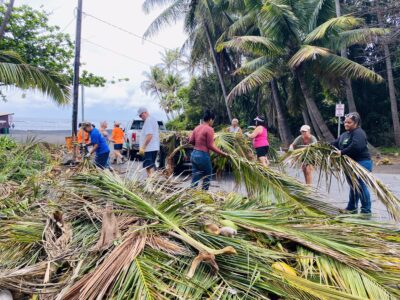
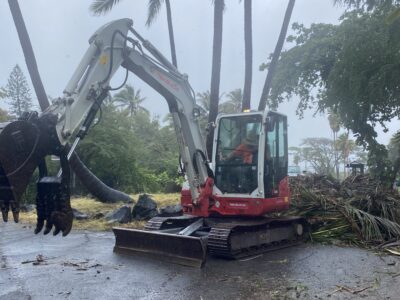
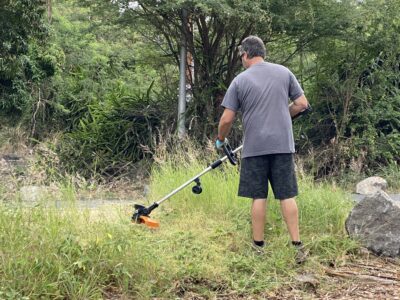

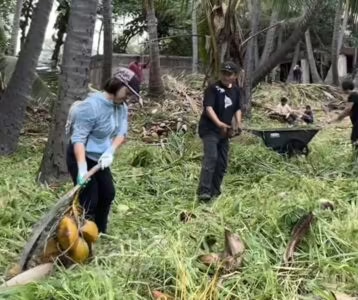
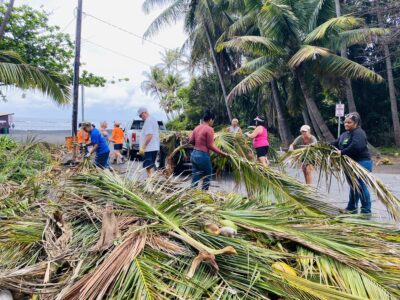
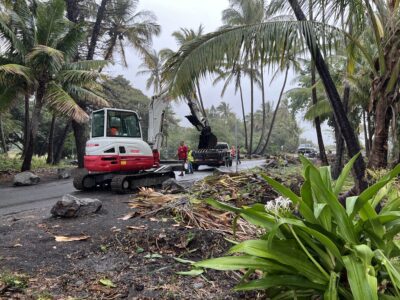
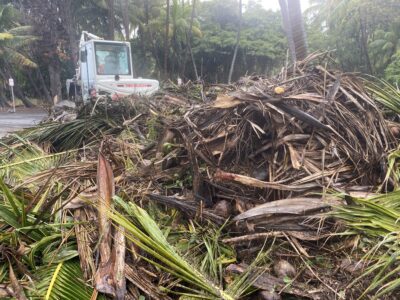
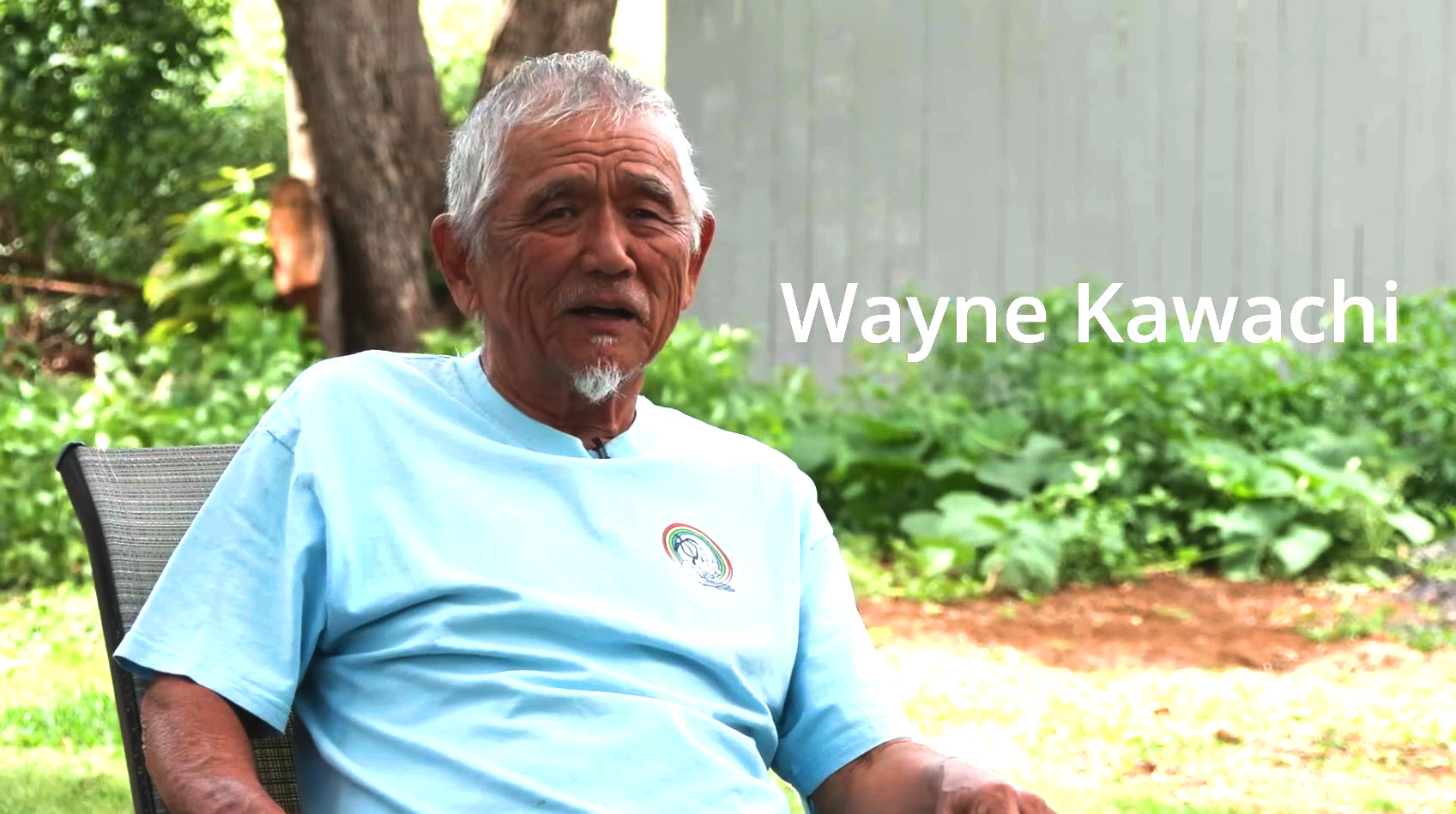
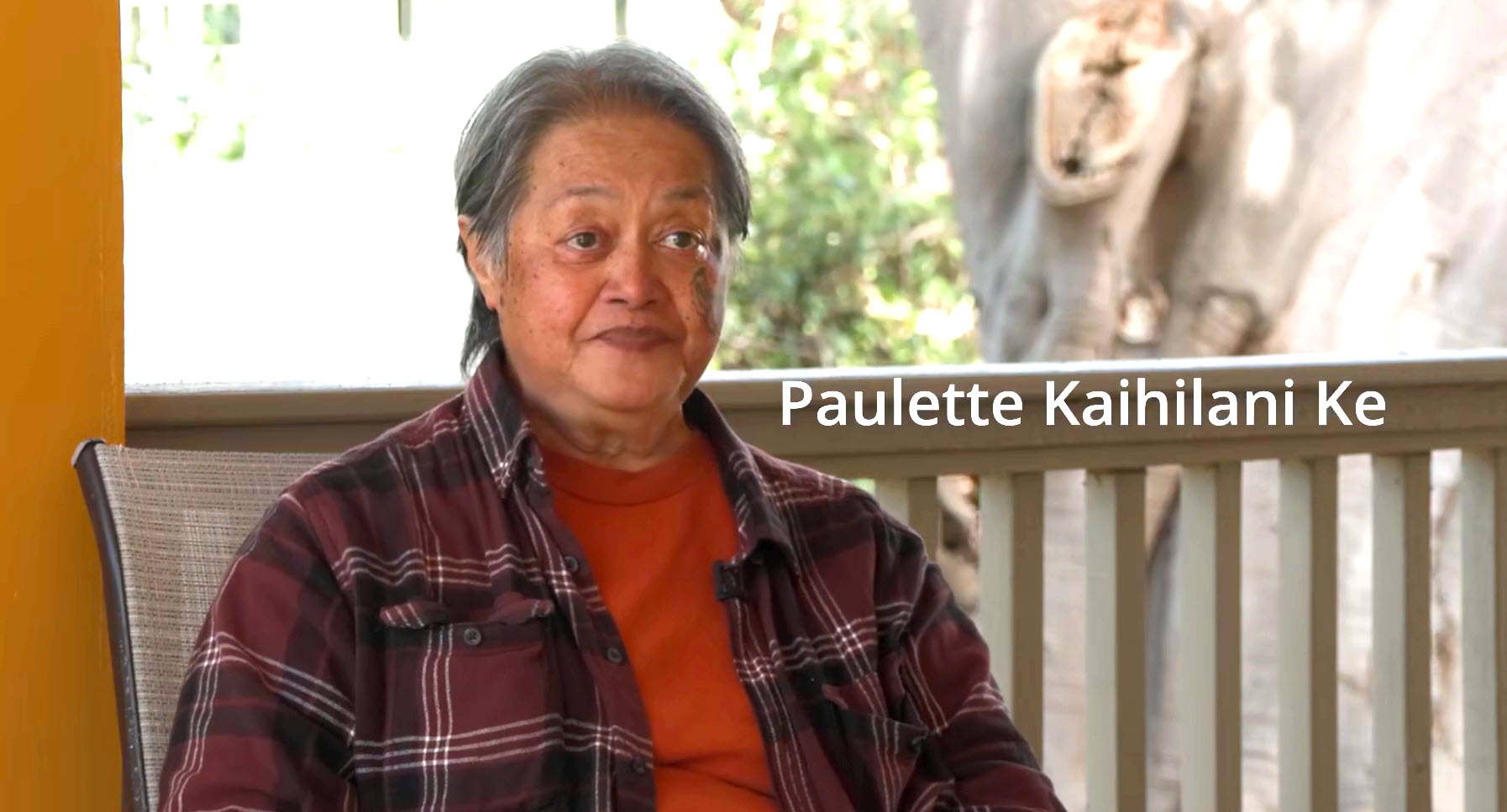
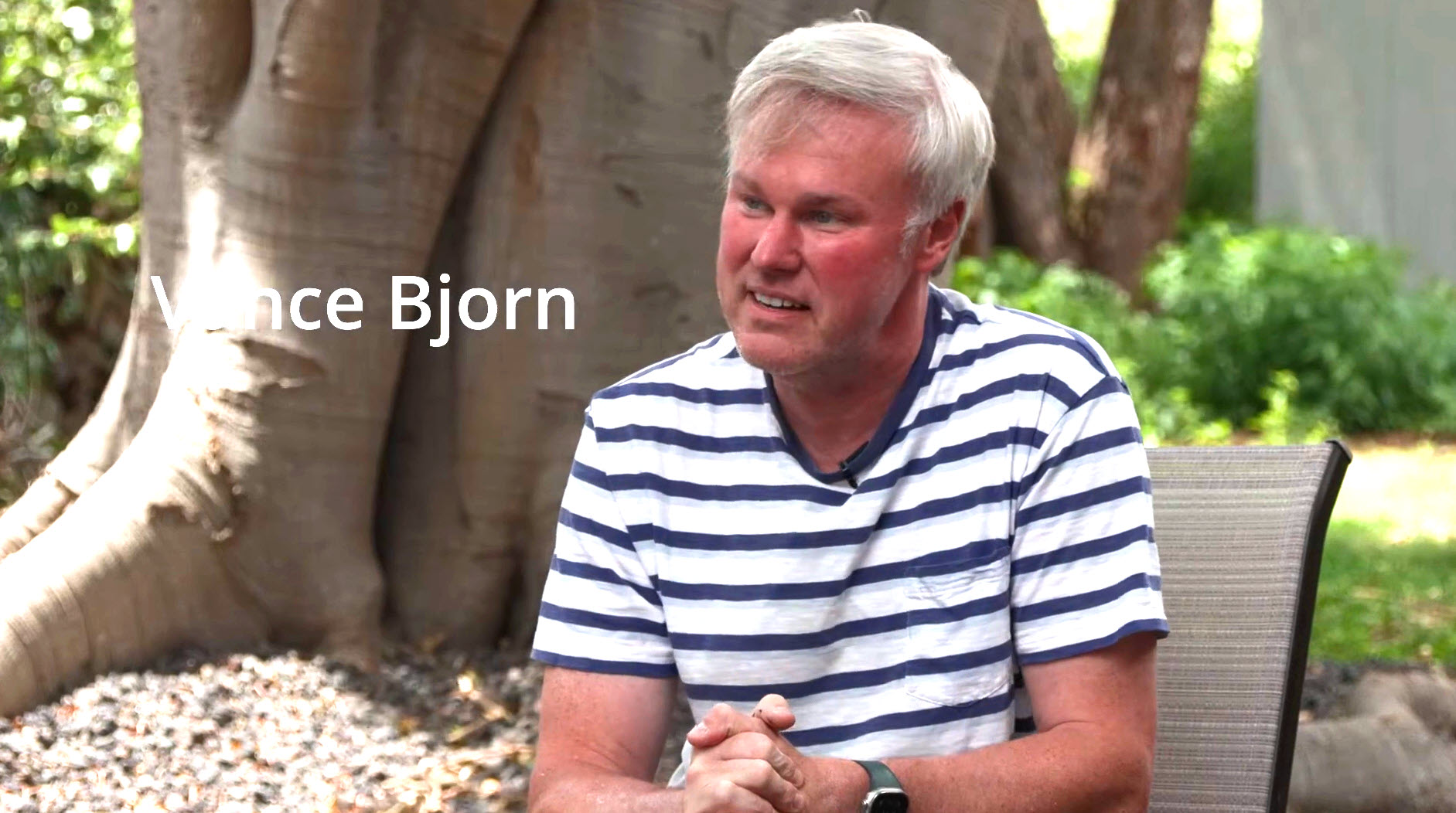
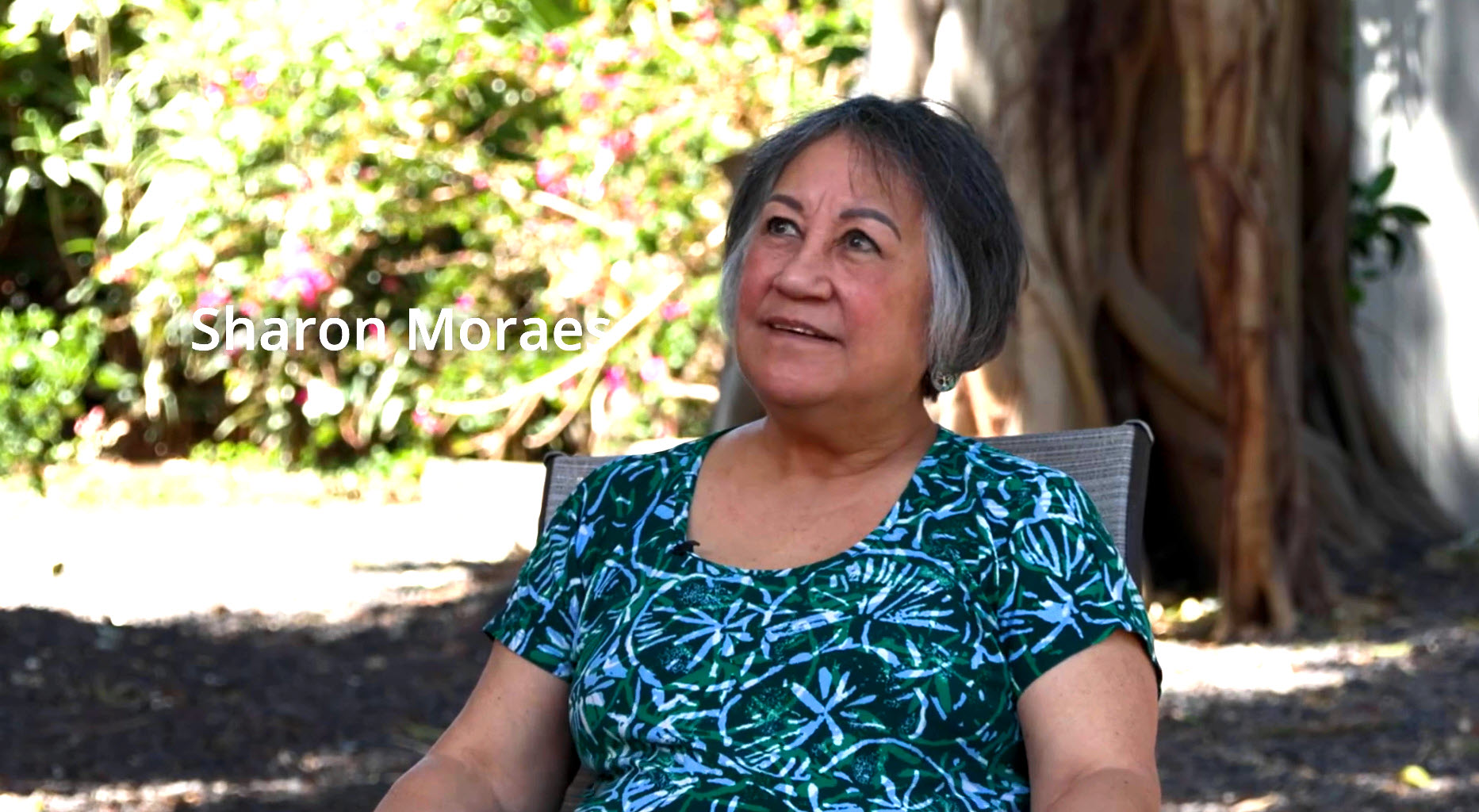
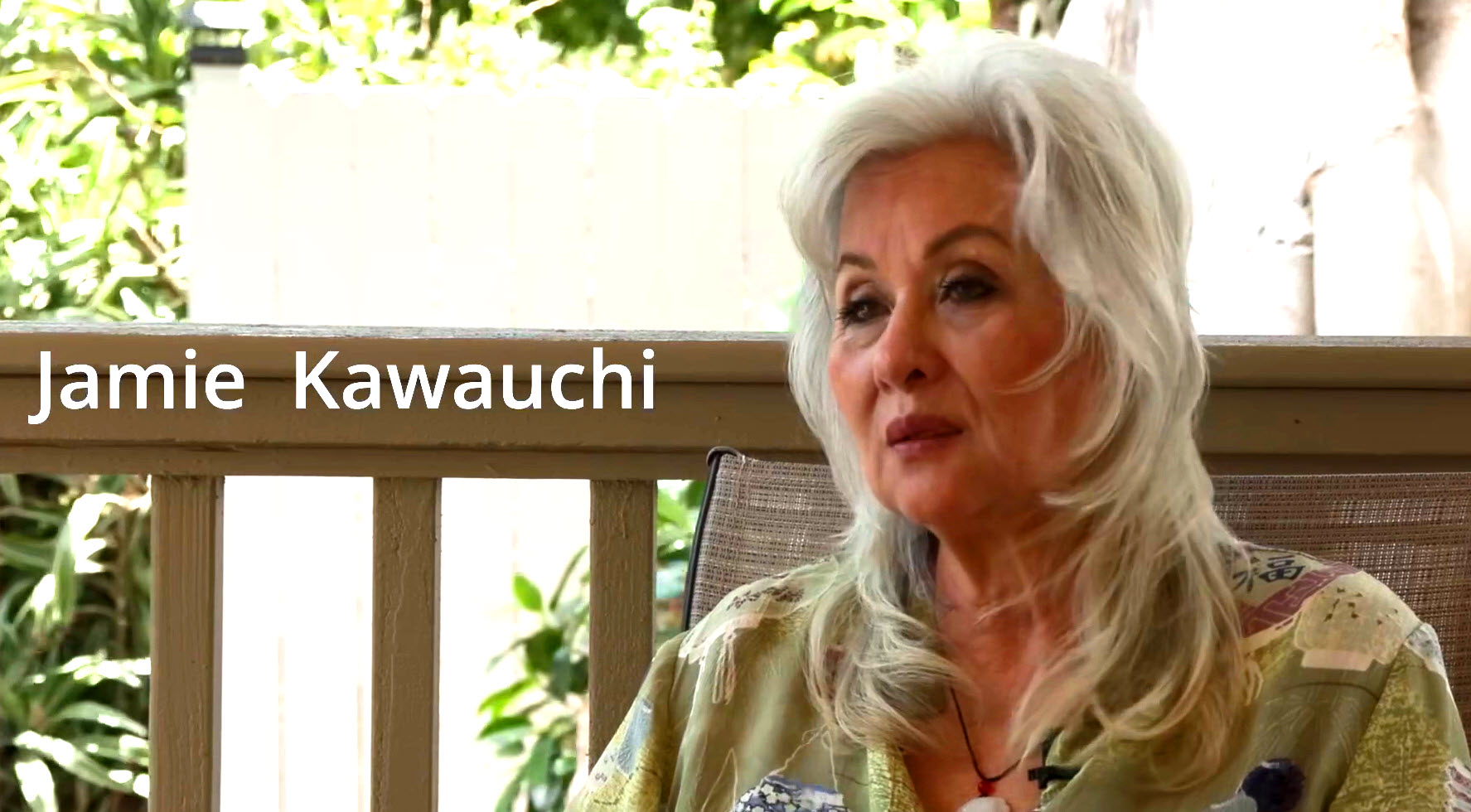
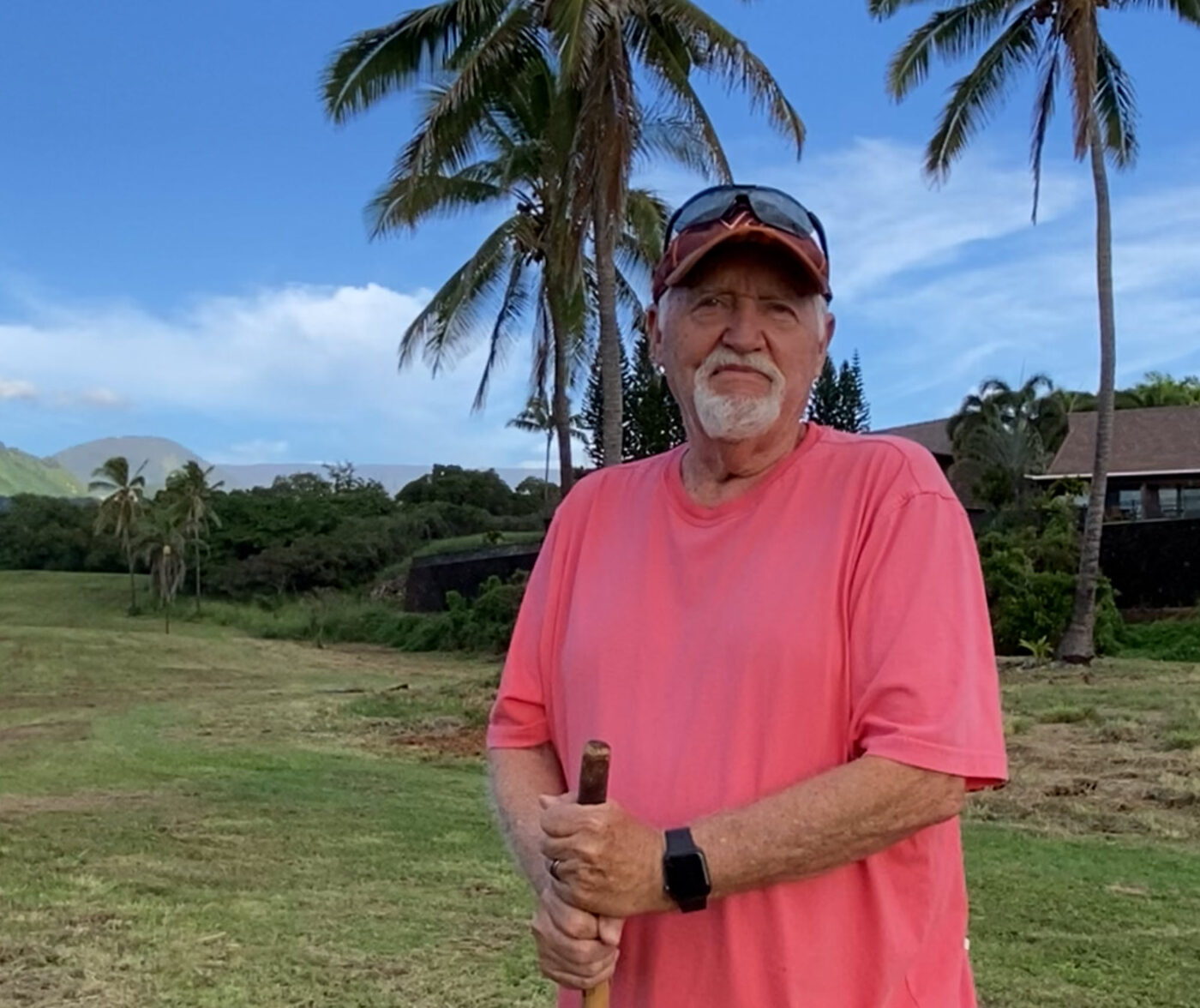
Kaʻū Community Members Support the Punaluʻu Village Restoration
Local Residents and Elders Stand in Support of the Punaluʻu Village Restoration.