About Punaluʻu
A Place Named for Water
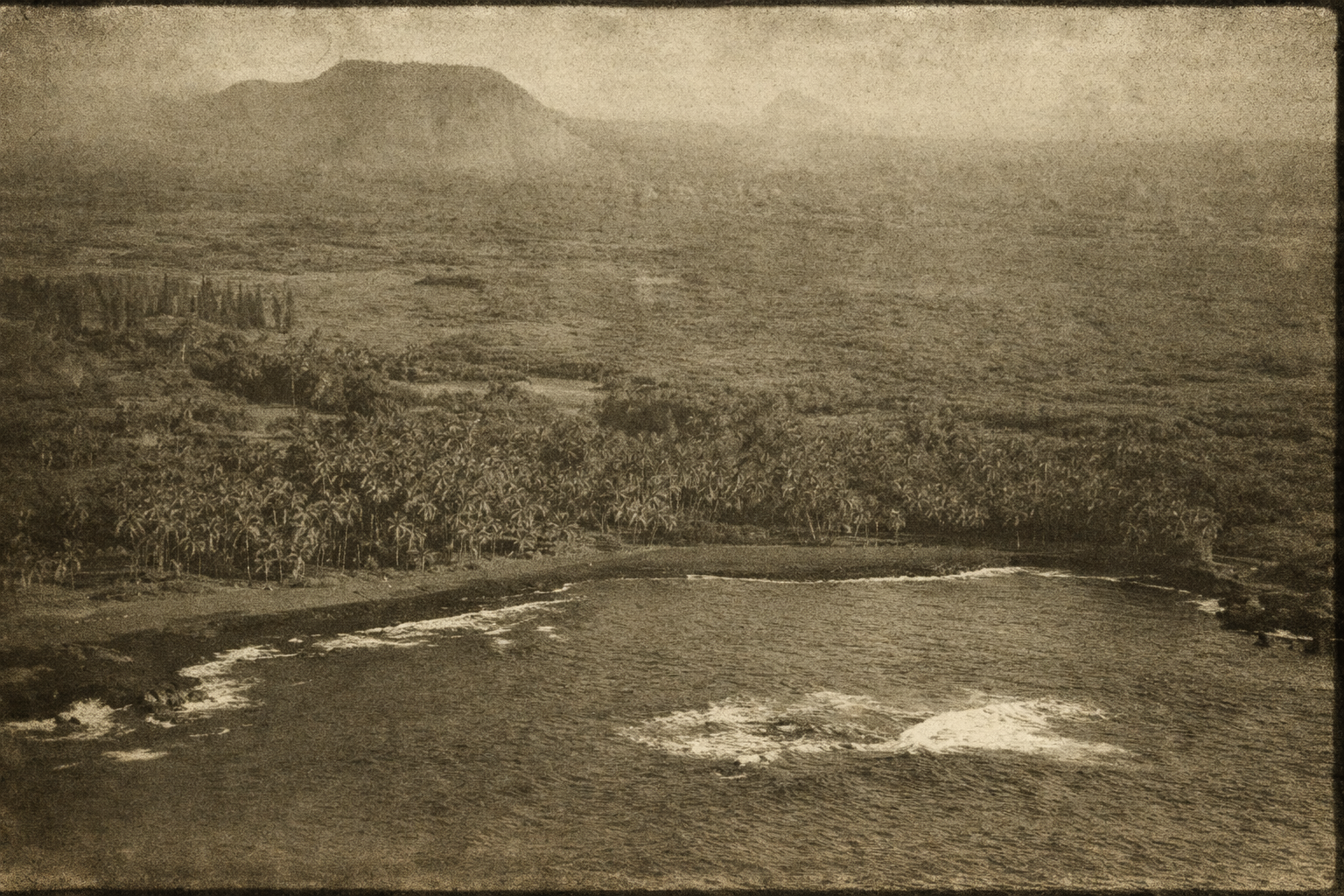
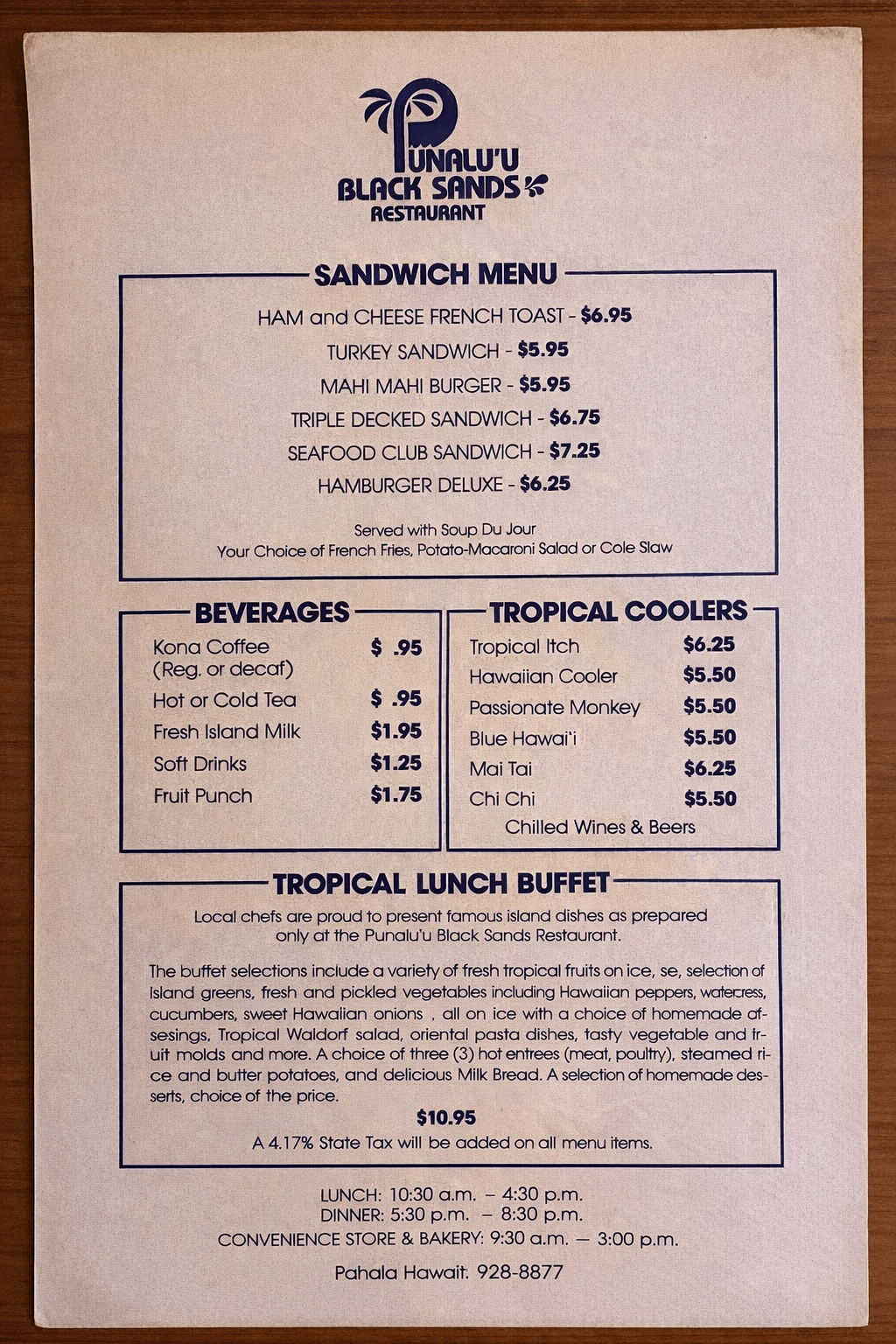
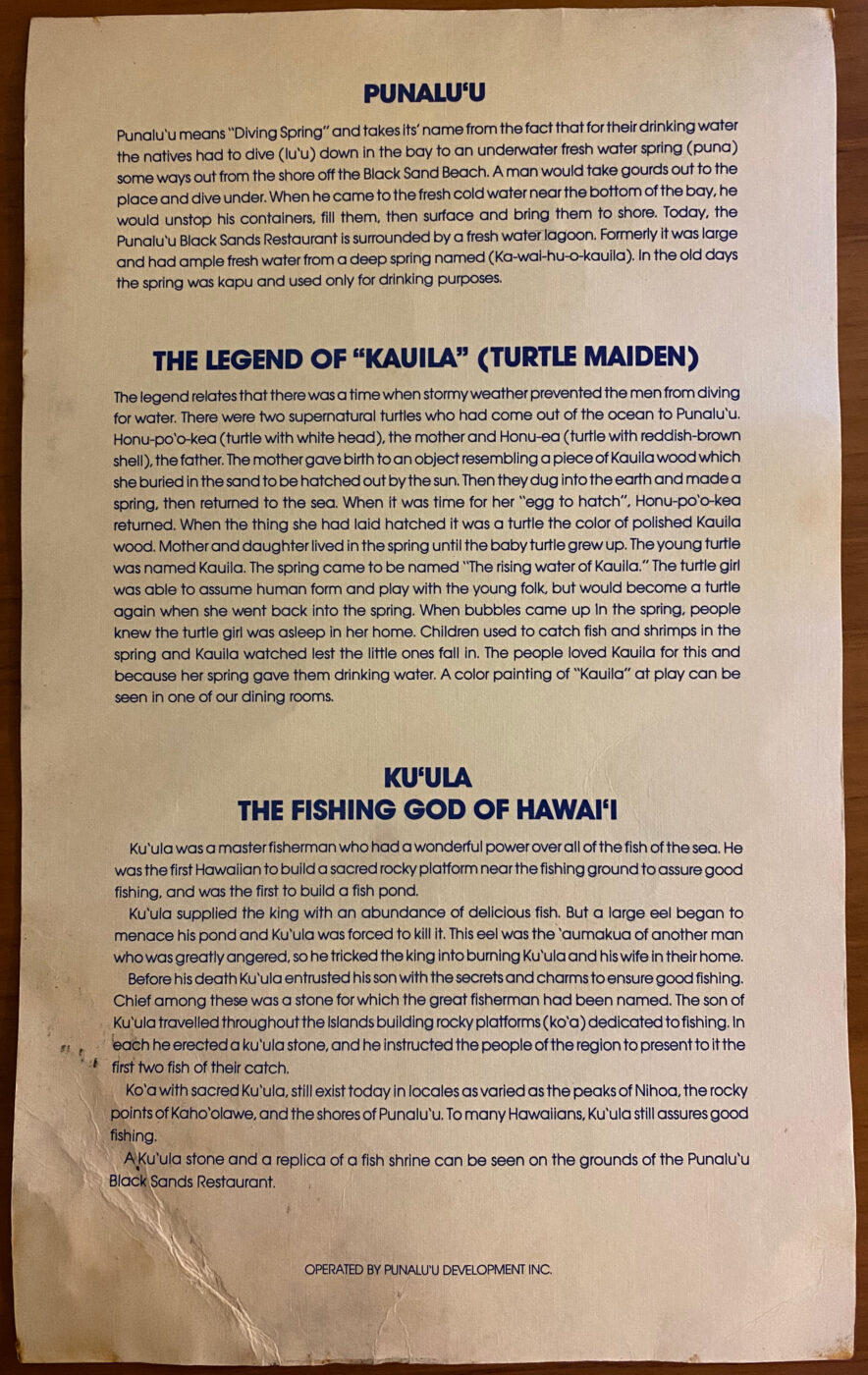
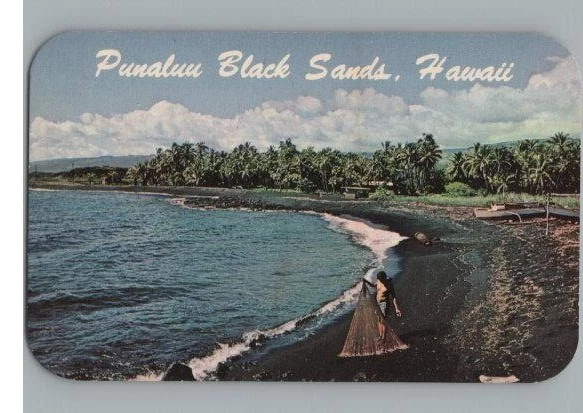
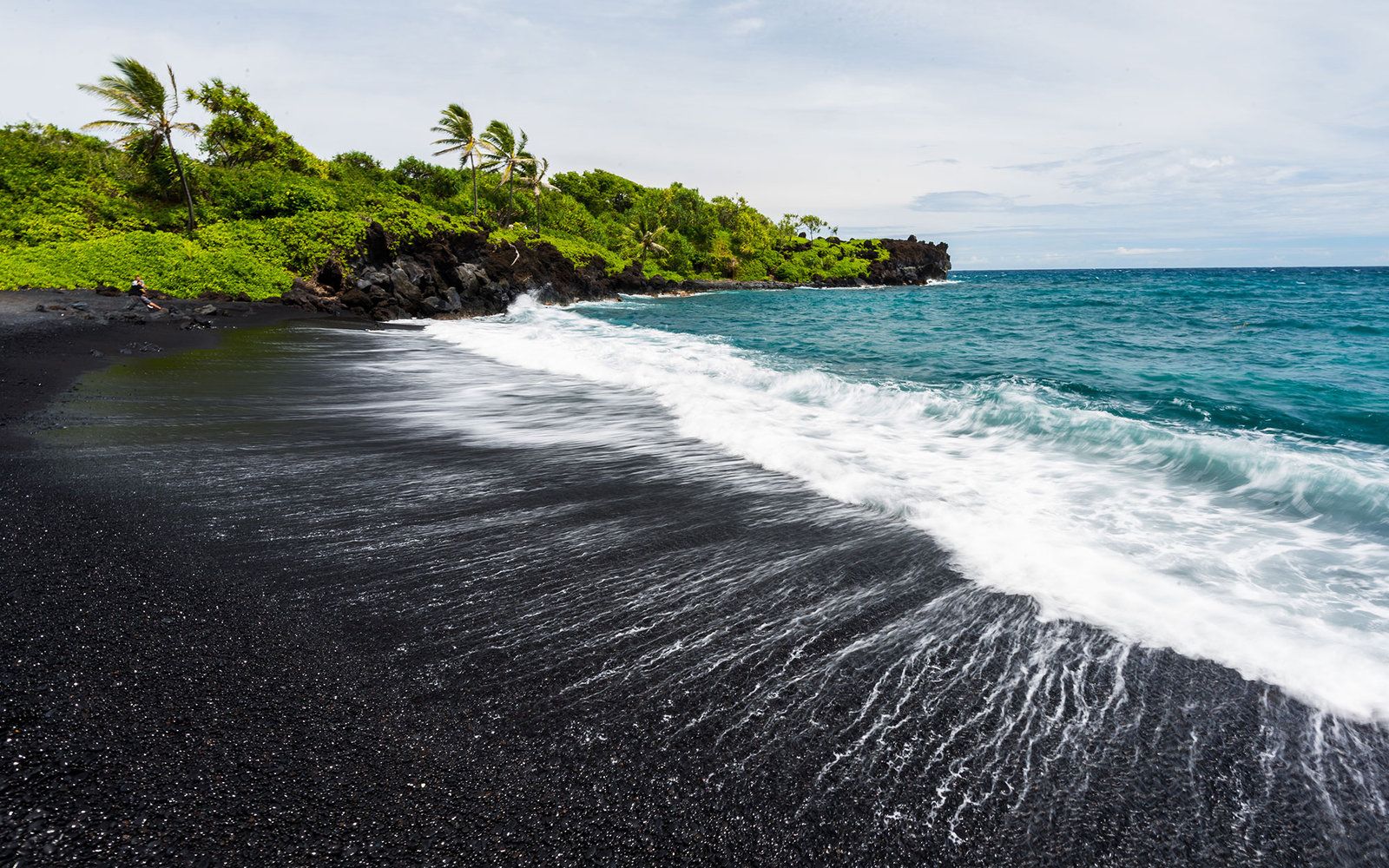
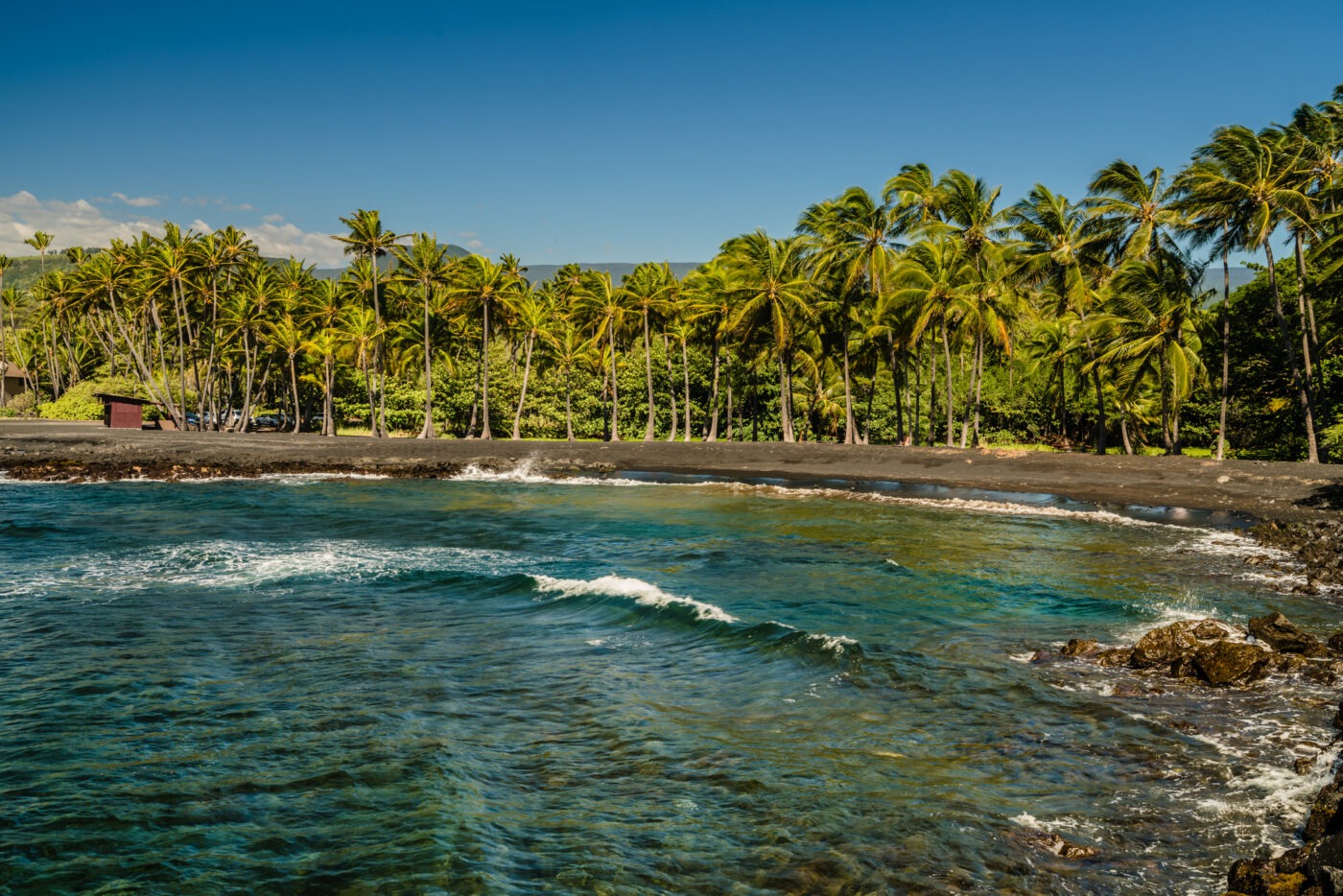
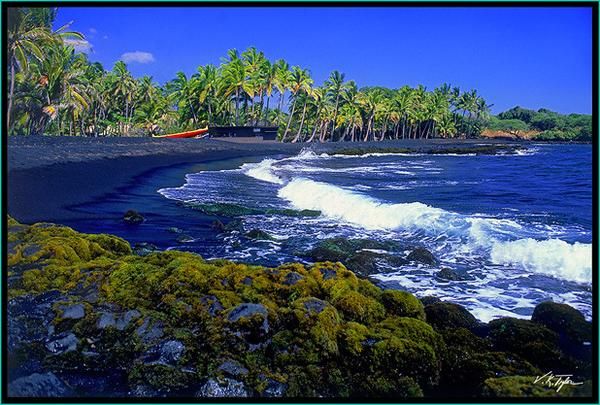
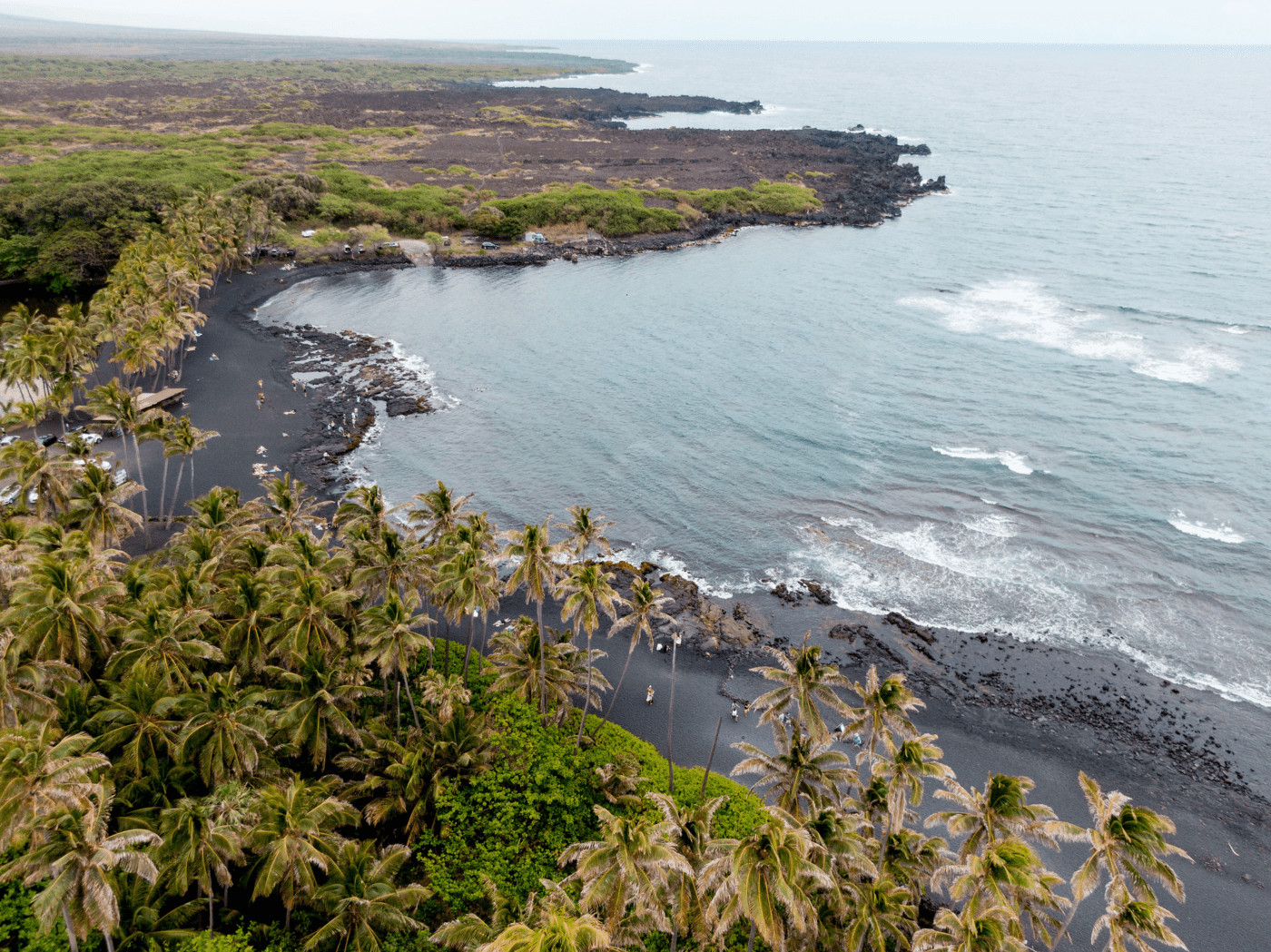
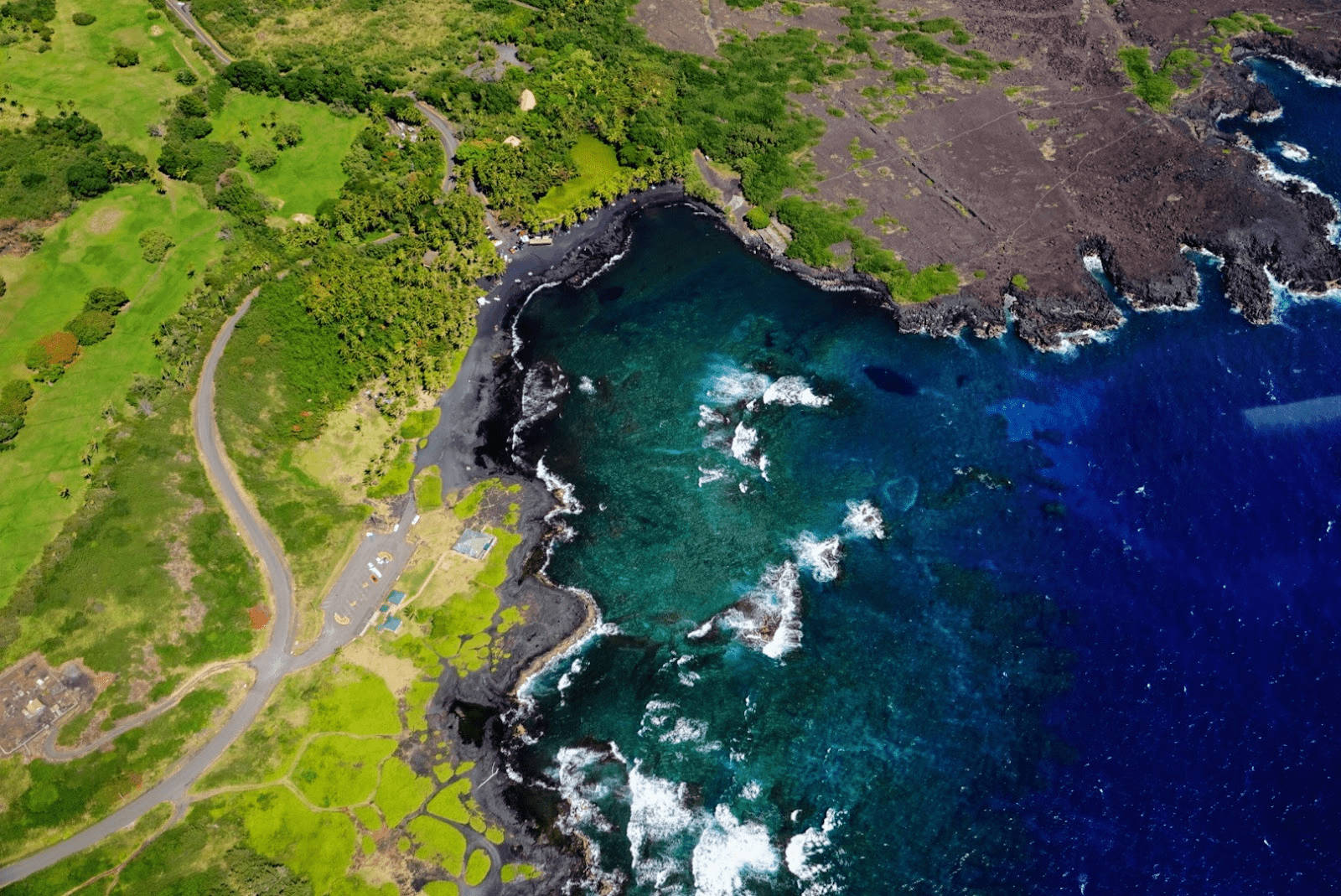
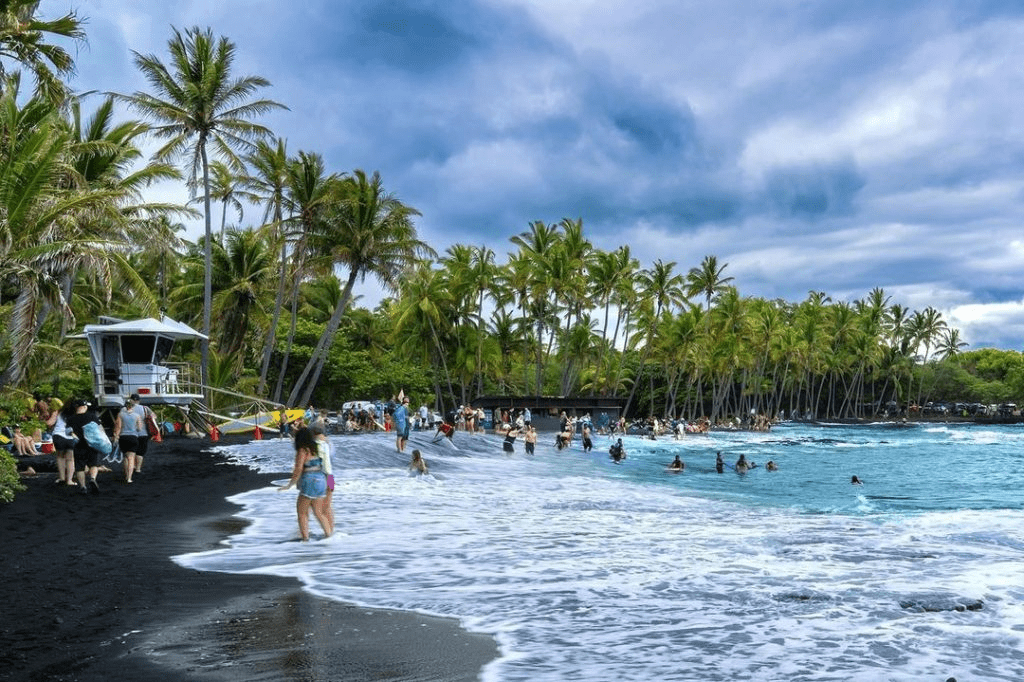
Punaluʻu means “Diving Spring.” The name comes from the way early inhabitants obtained drinking water: they would dive (luʻu) in the bay to reach an underwater freshwater spring (puna) located some distance offshore from the black sand beach.
Men would carry gourds to the site and dive beneath the surface. Upon reaching the cold freshwater near the bottom of the bay, they would open their containers, fill them, surface, and return to shore.
The Formation of Black Sand
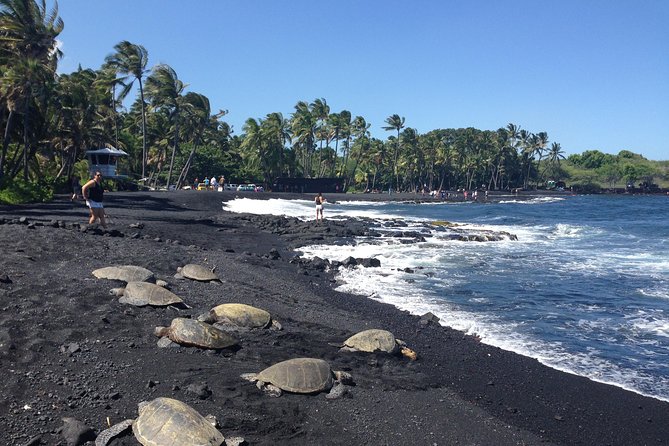
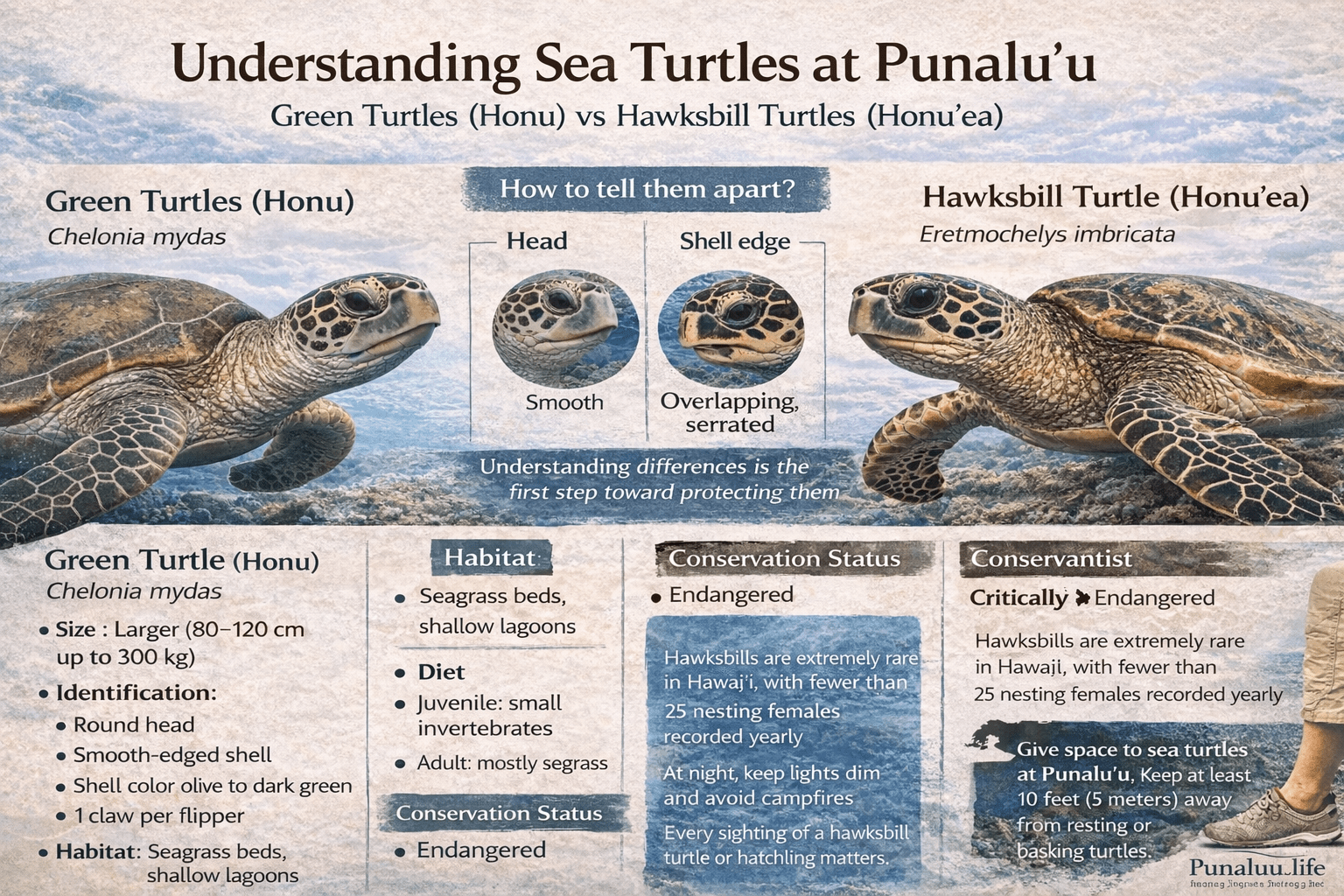
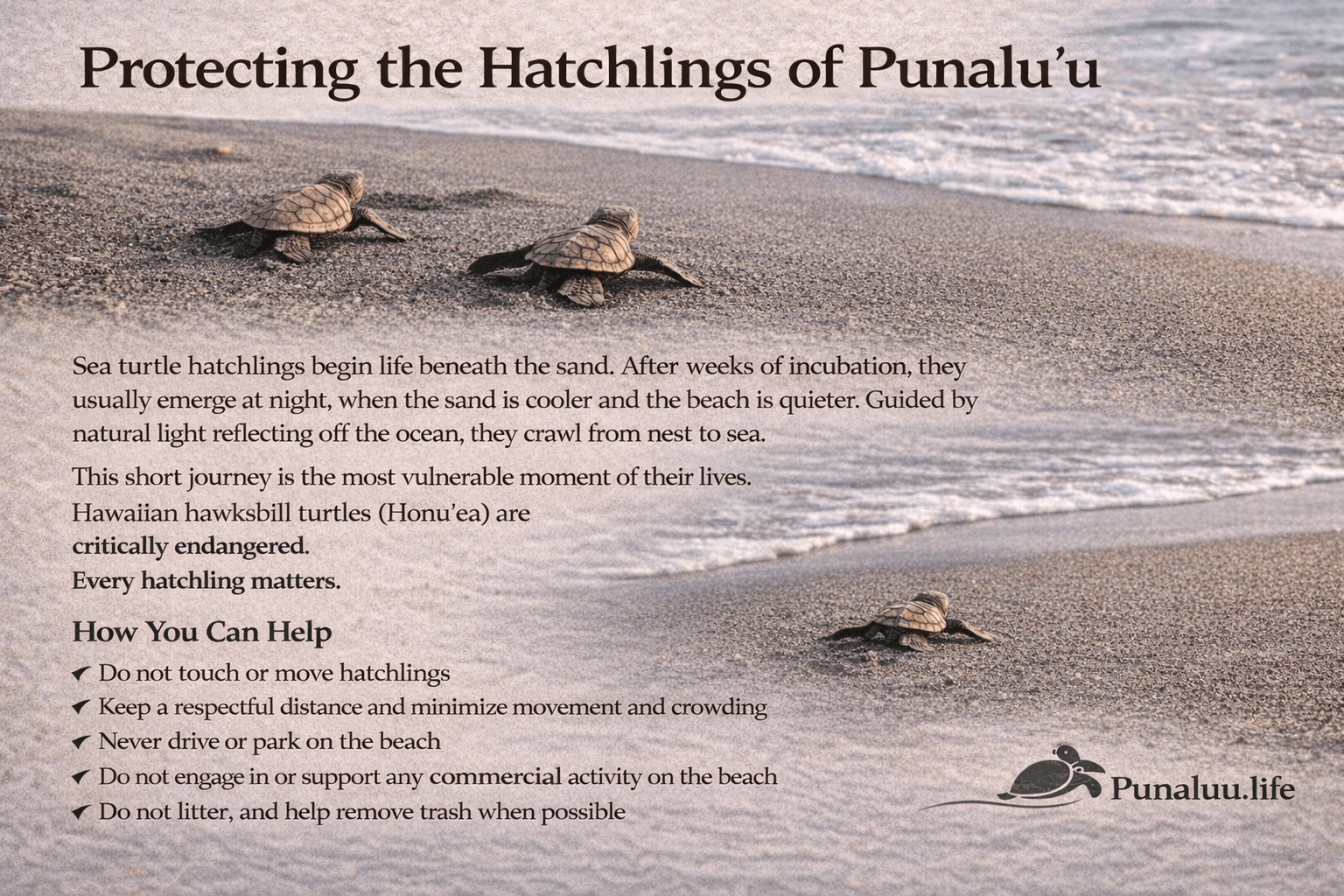
Sea Turtles
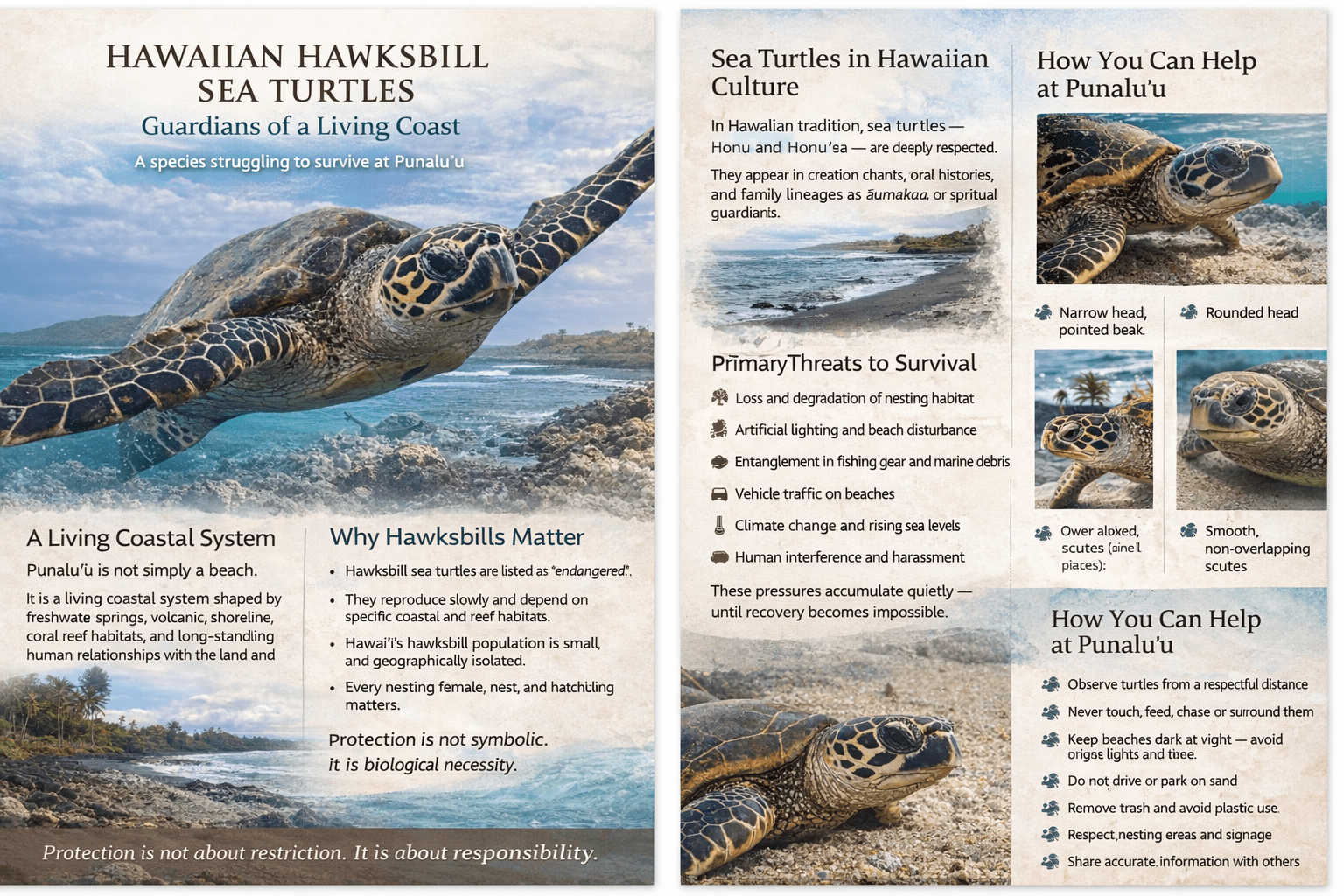
Wildlife and Ecological Significance
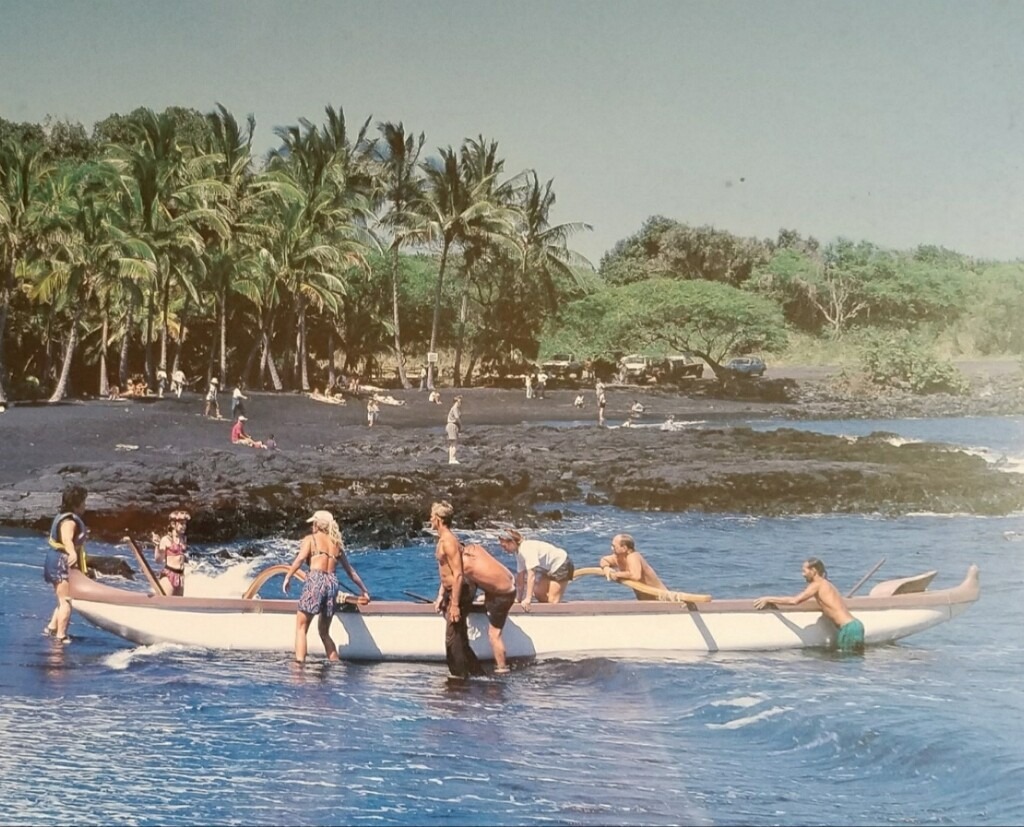
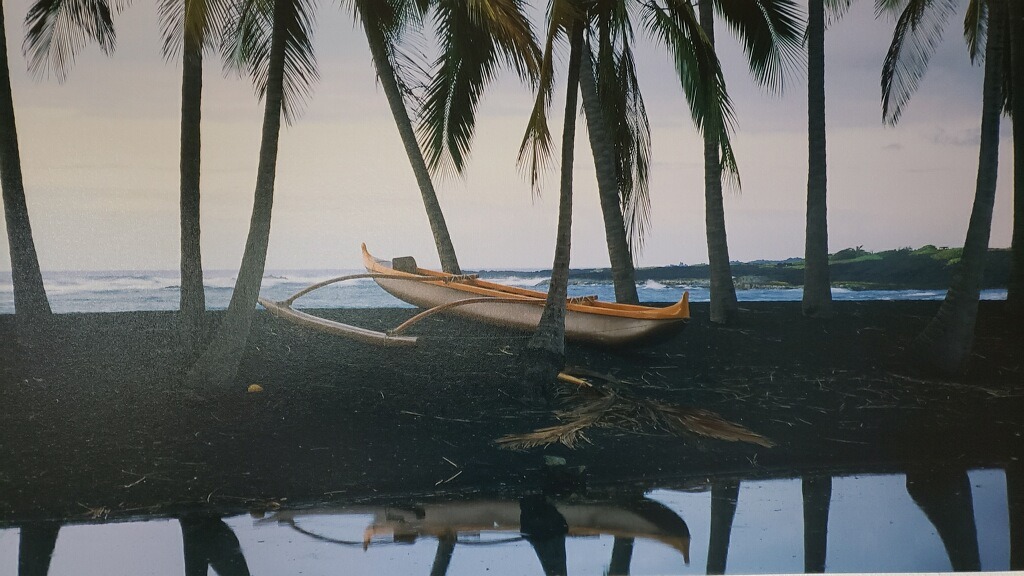
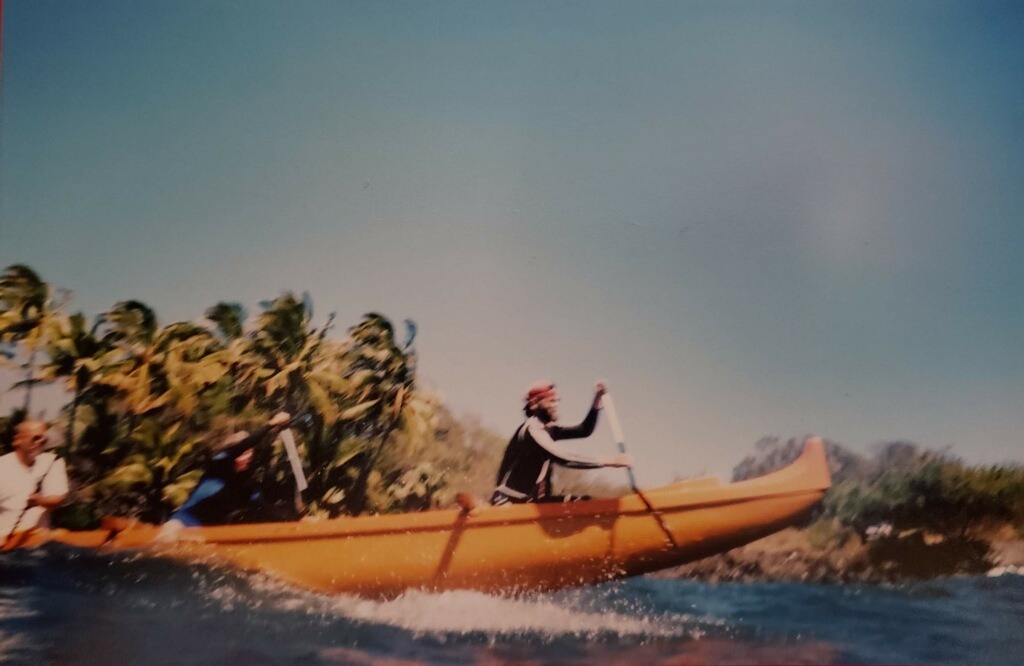
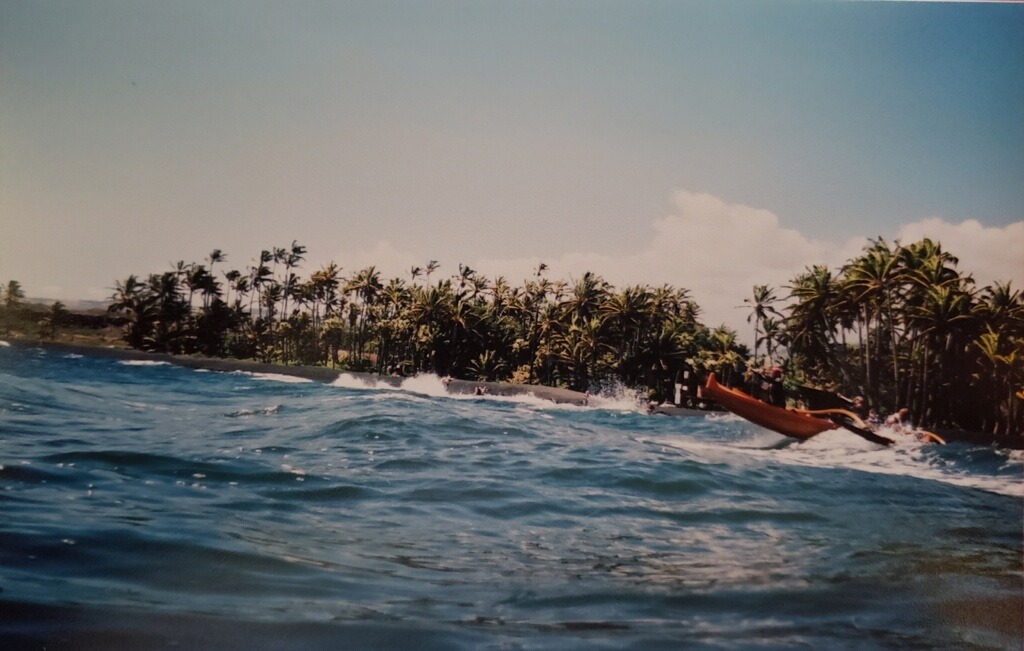
A Long Relationship Between People and the Ocean
Punaluʻu Harbor and Boat ramp
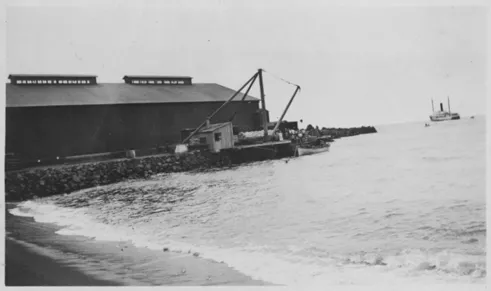
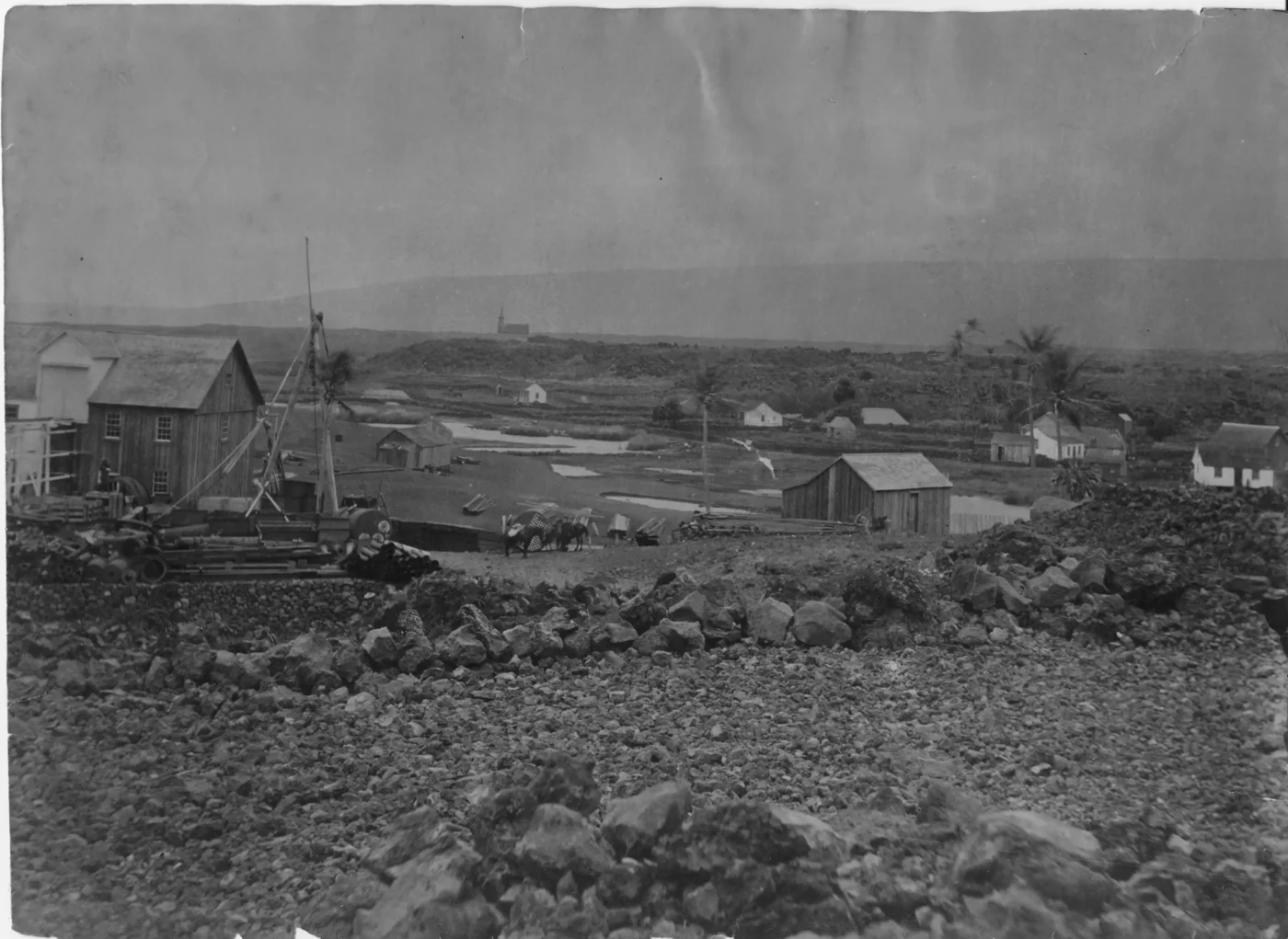
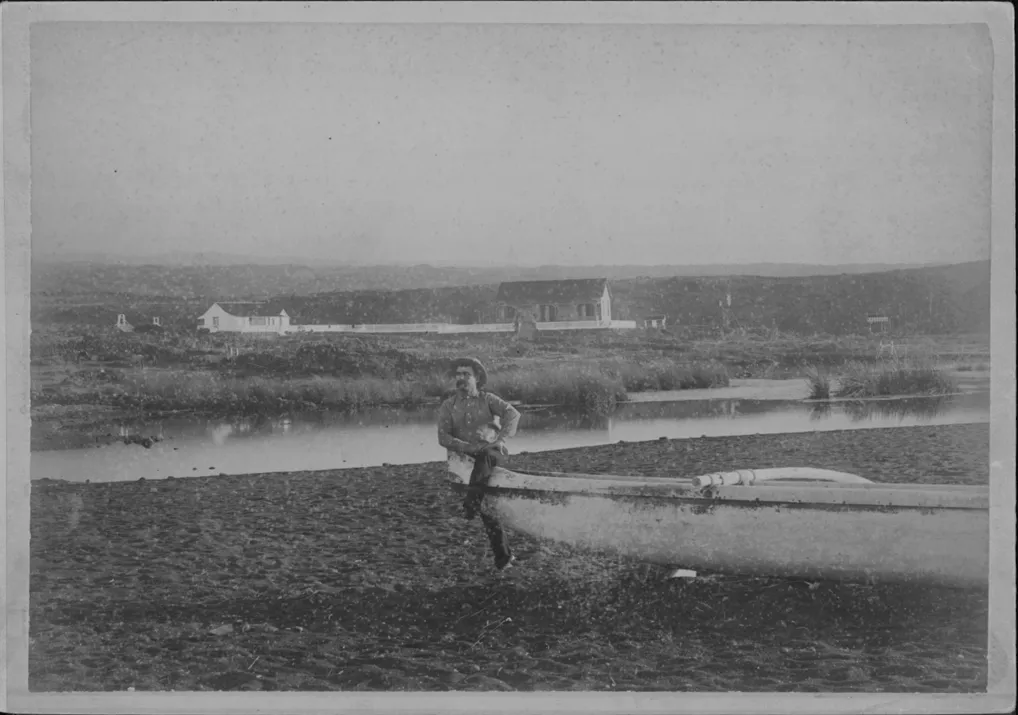
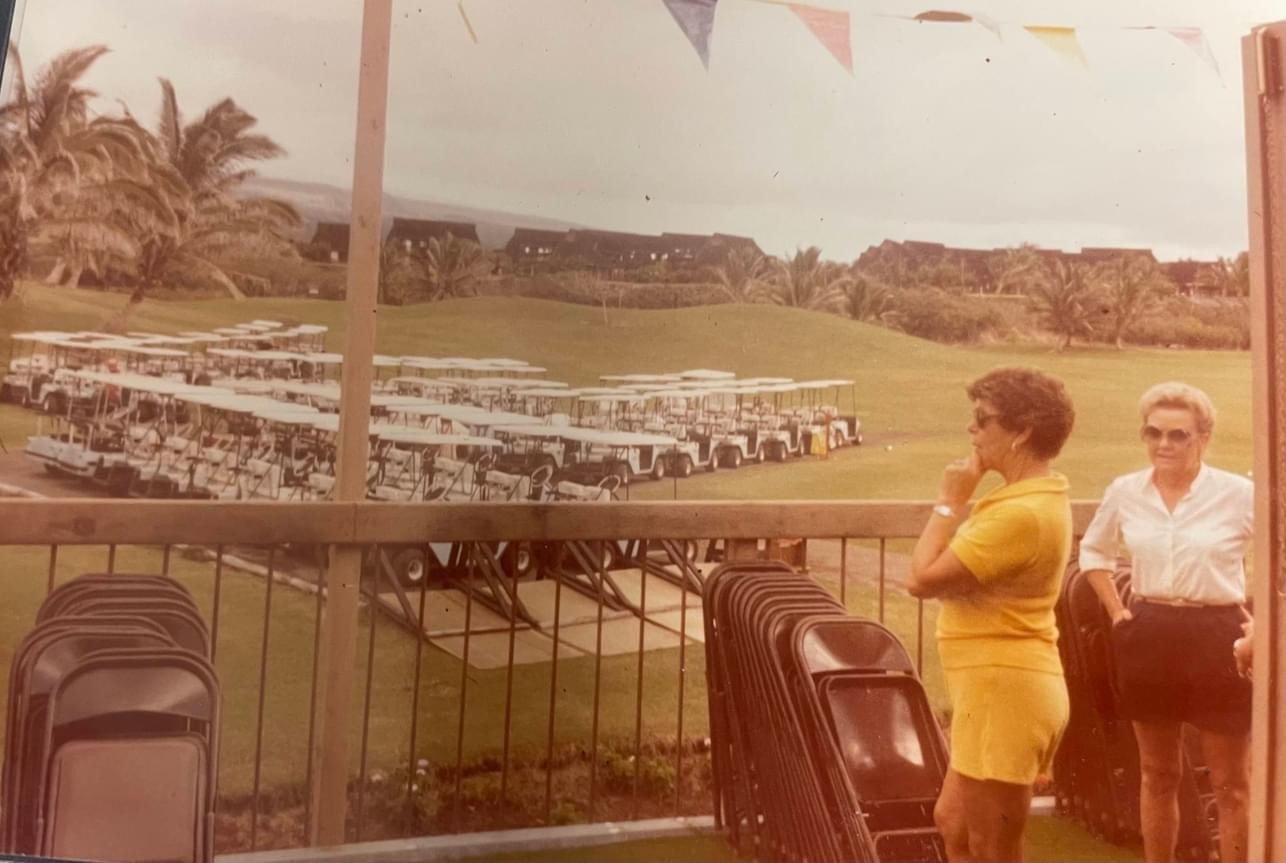
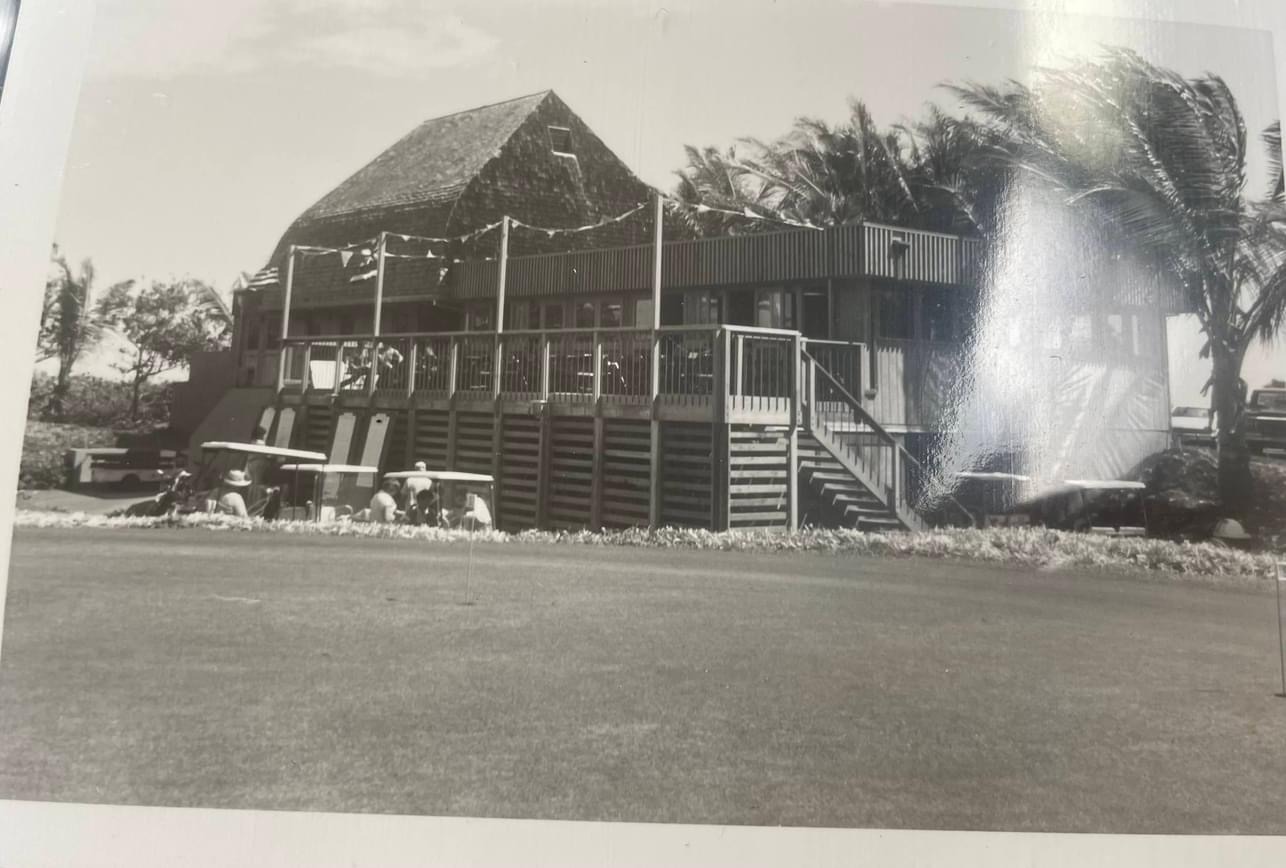
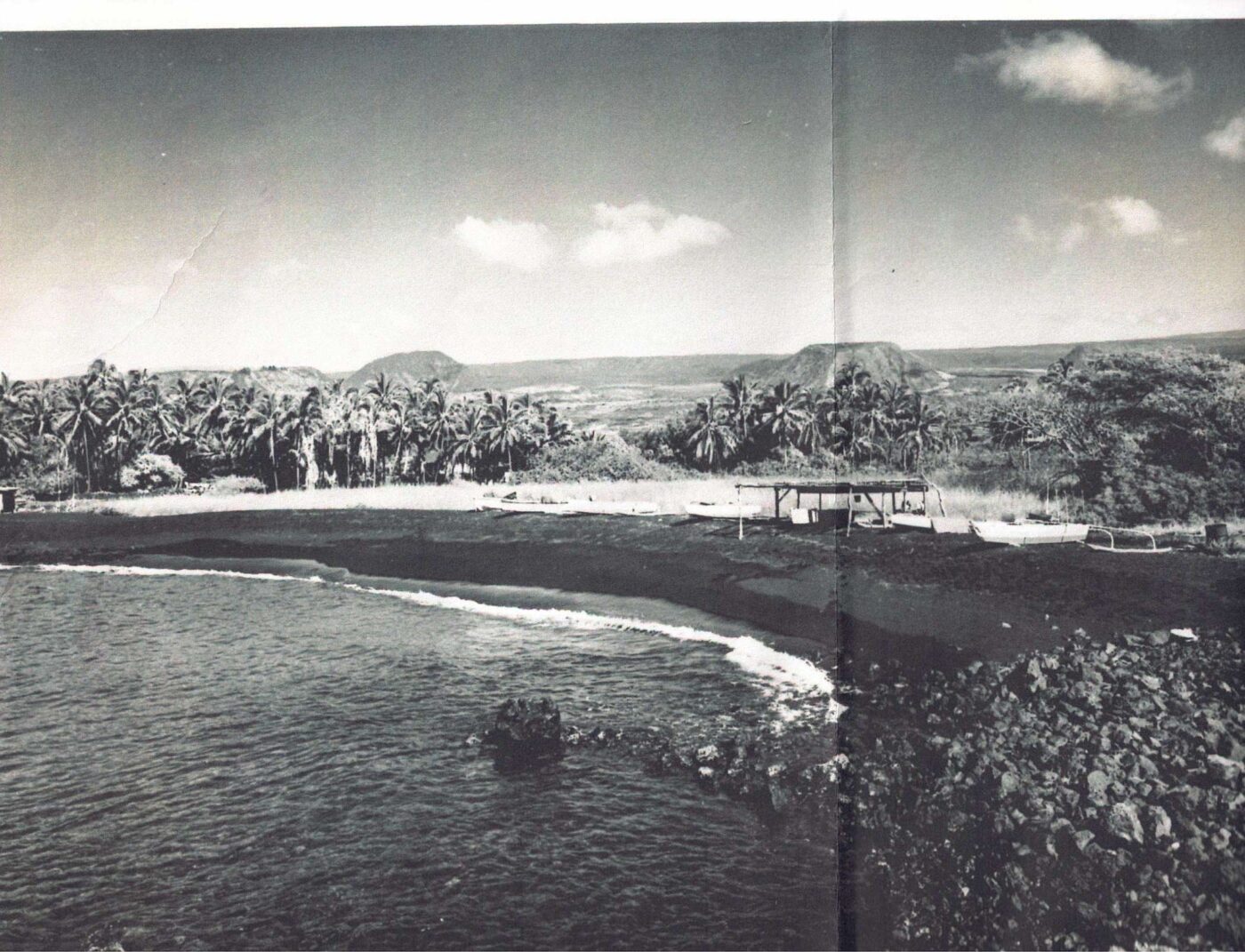
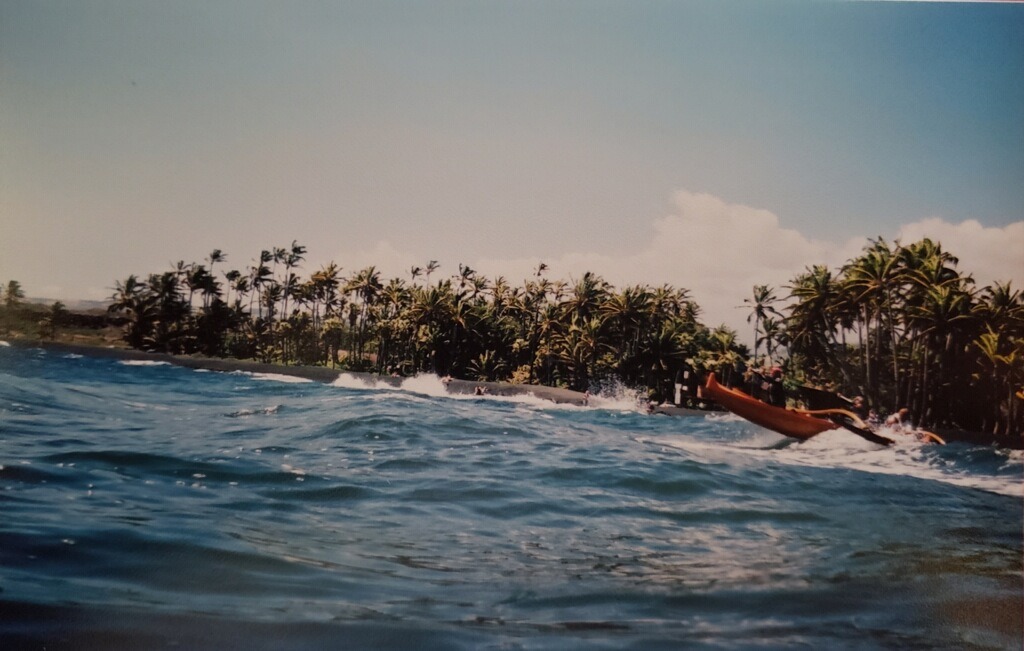
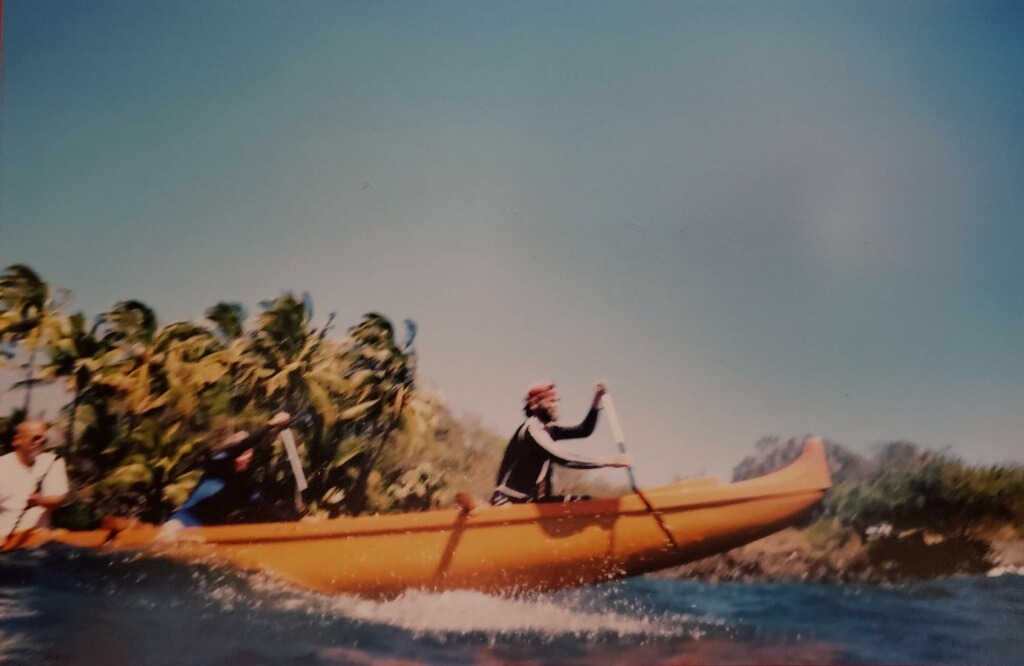
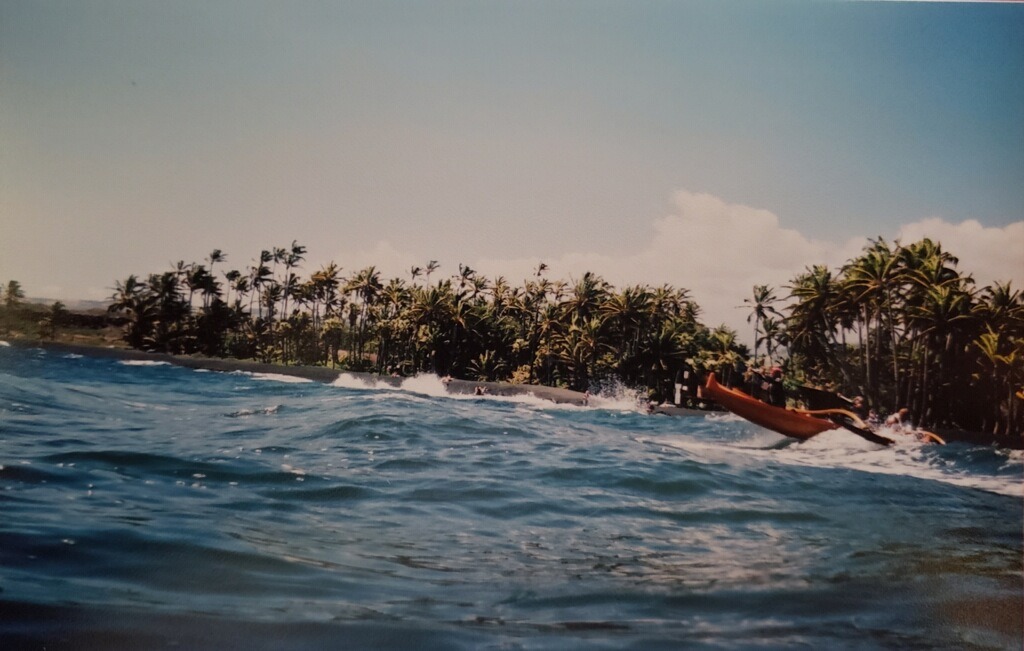
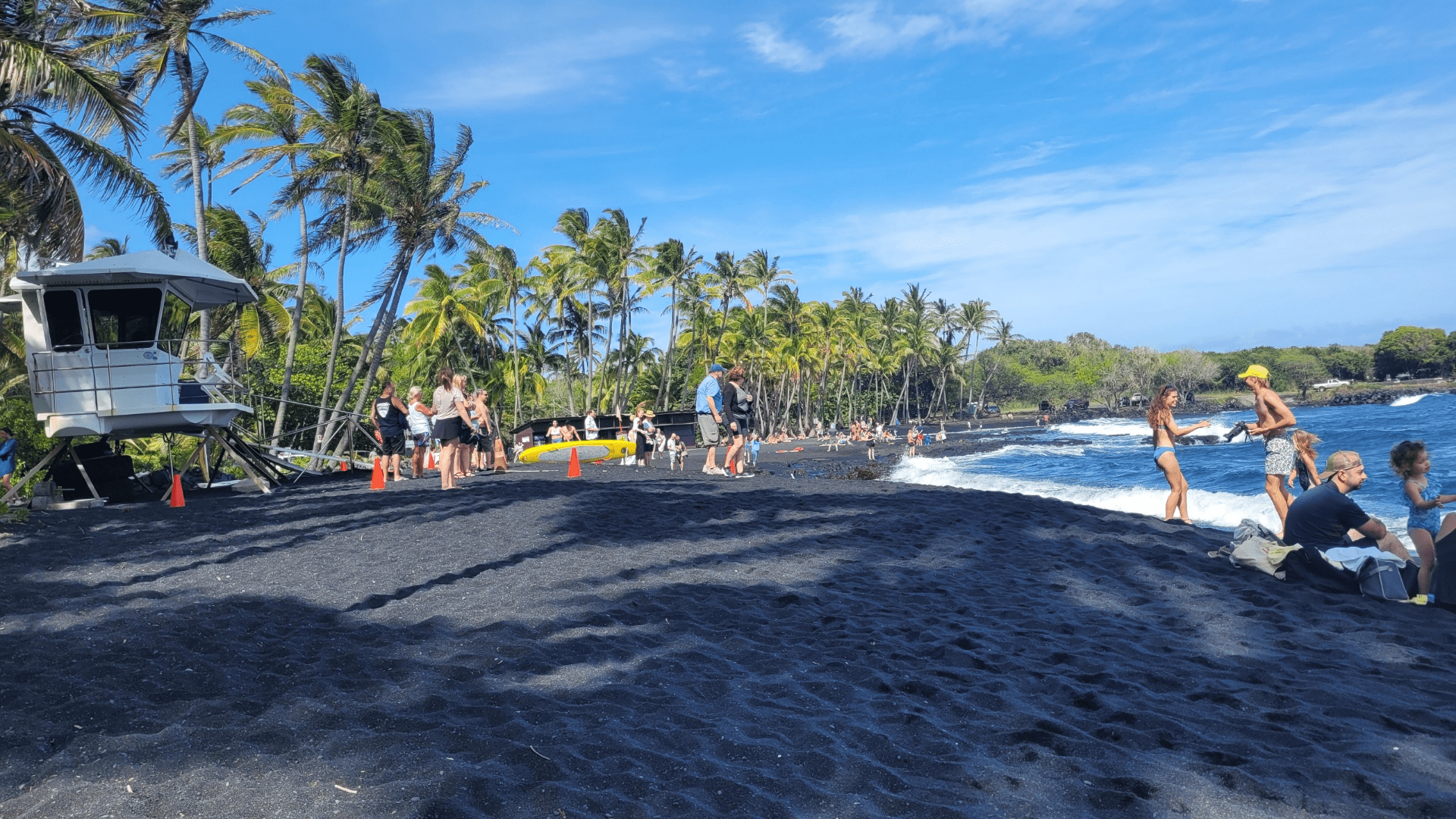
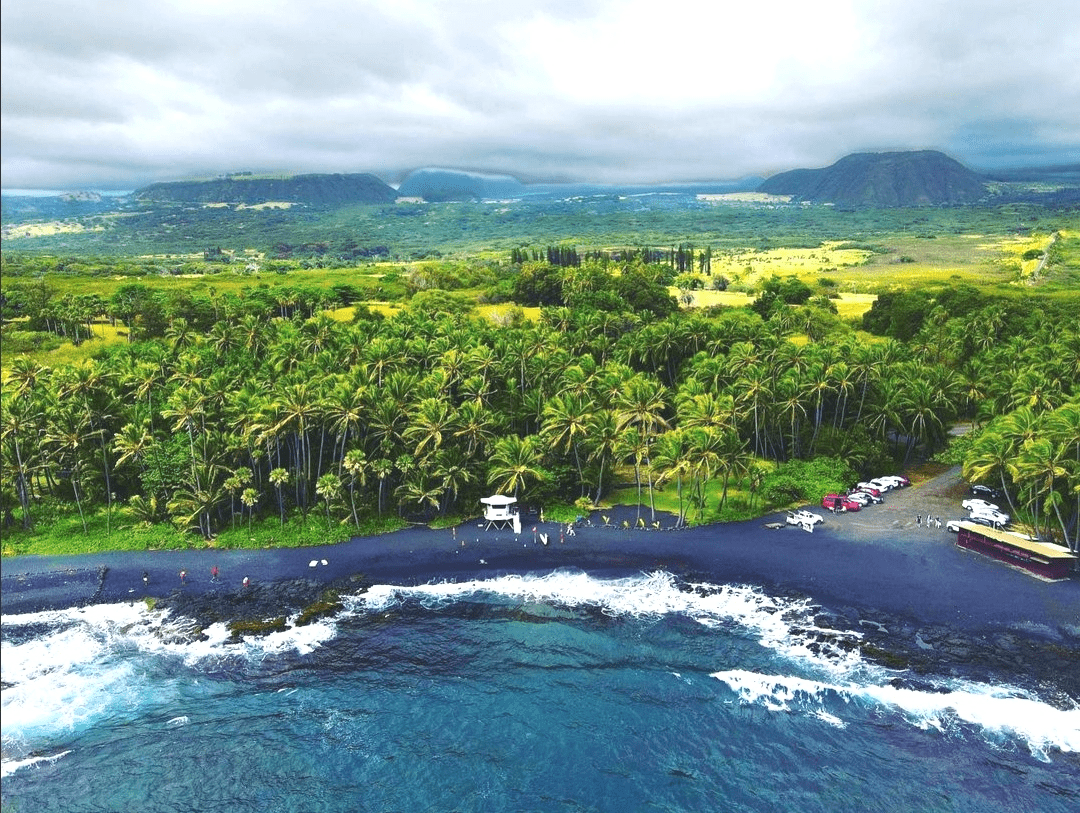
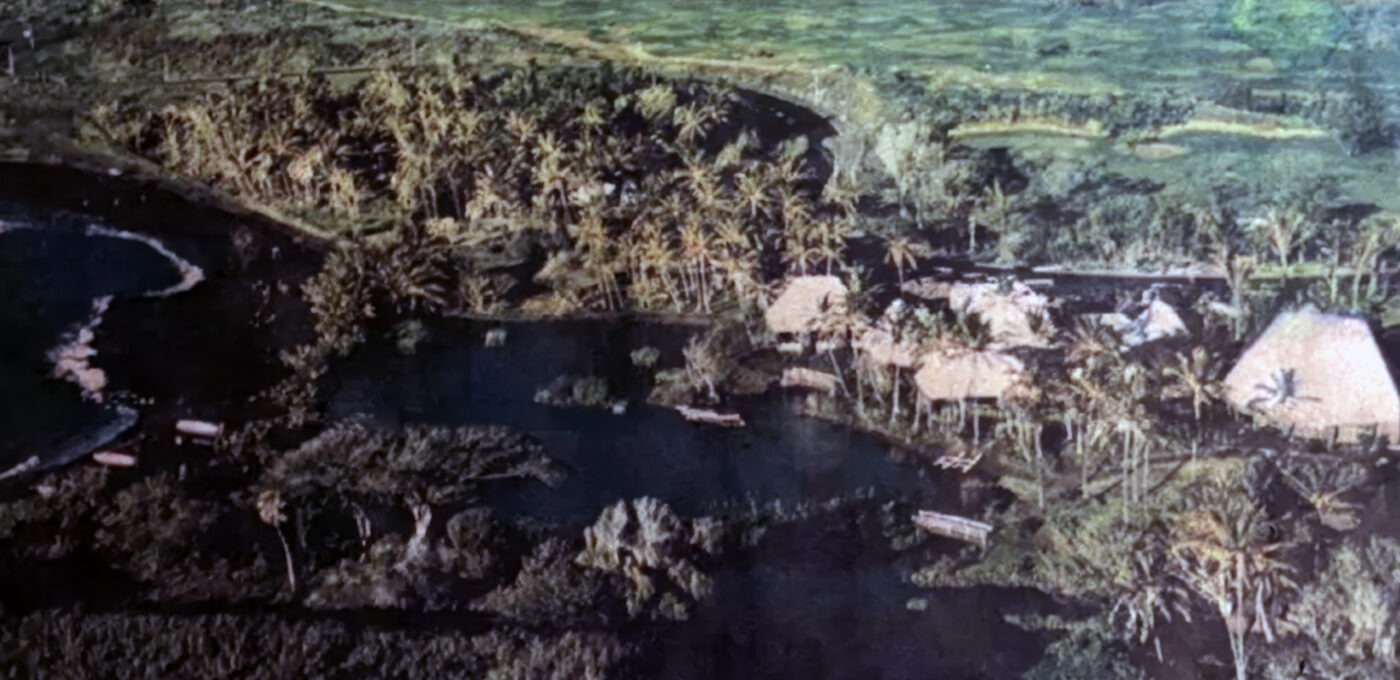
Punaluʻu once included community villages, a pier, and seaside facilities that sustained fishing, supply, and everyday community life. While many of these structures are no longer in use, their remains preserve the memory of layered coastal communities. Today, the Punaluʻu pier remains one of the few locations along the southern coast of Hawaiʻi Island where small fishing boats can still access the ocean.
The Punaluʻu Fishpond and the ʻAhupuaʻa System
Deep Indigenous Roots
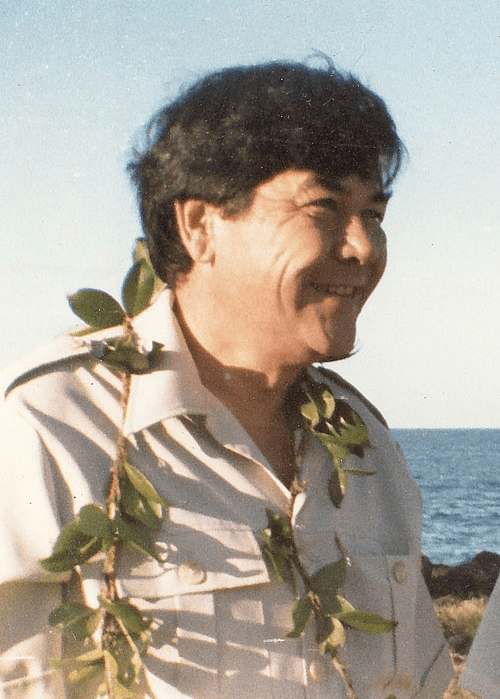
Herb Kawainui Kāne and the Visual Memory of Punaluʻu
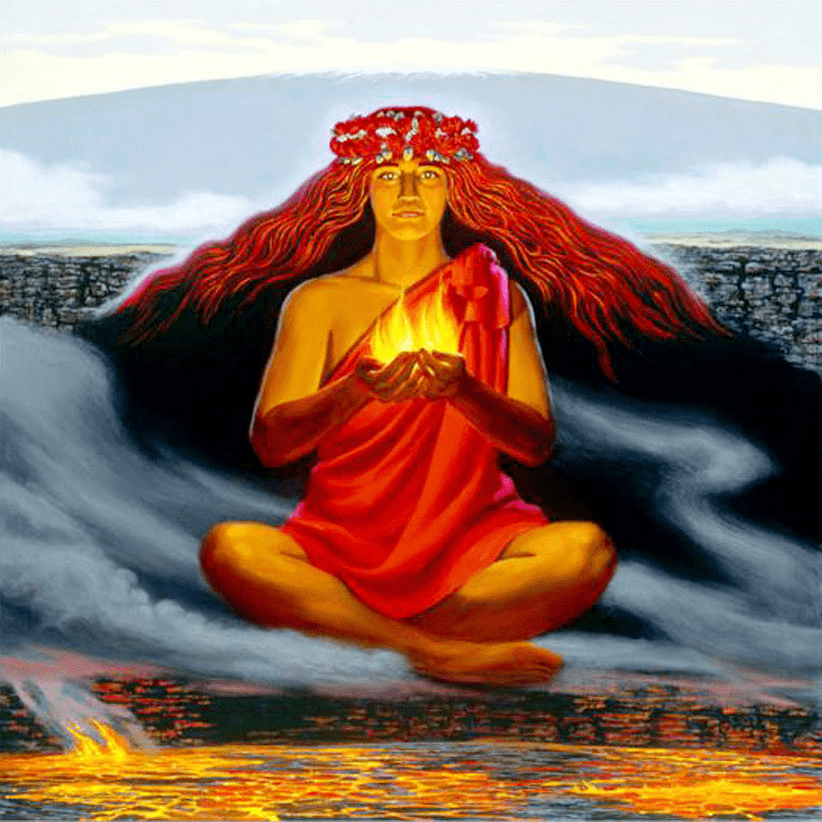
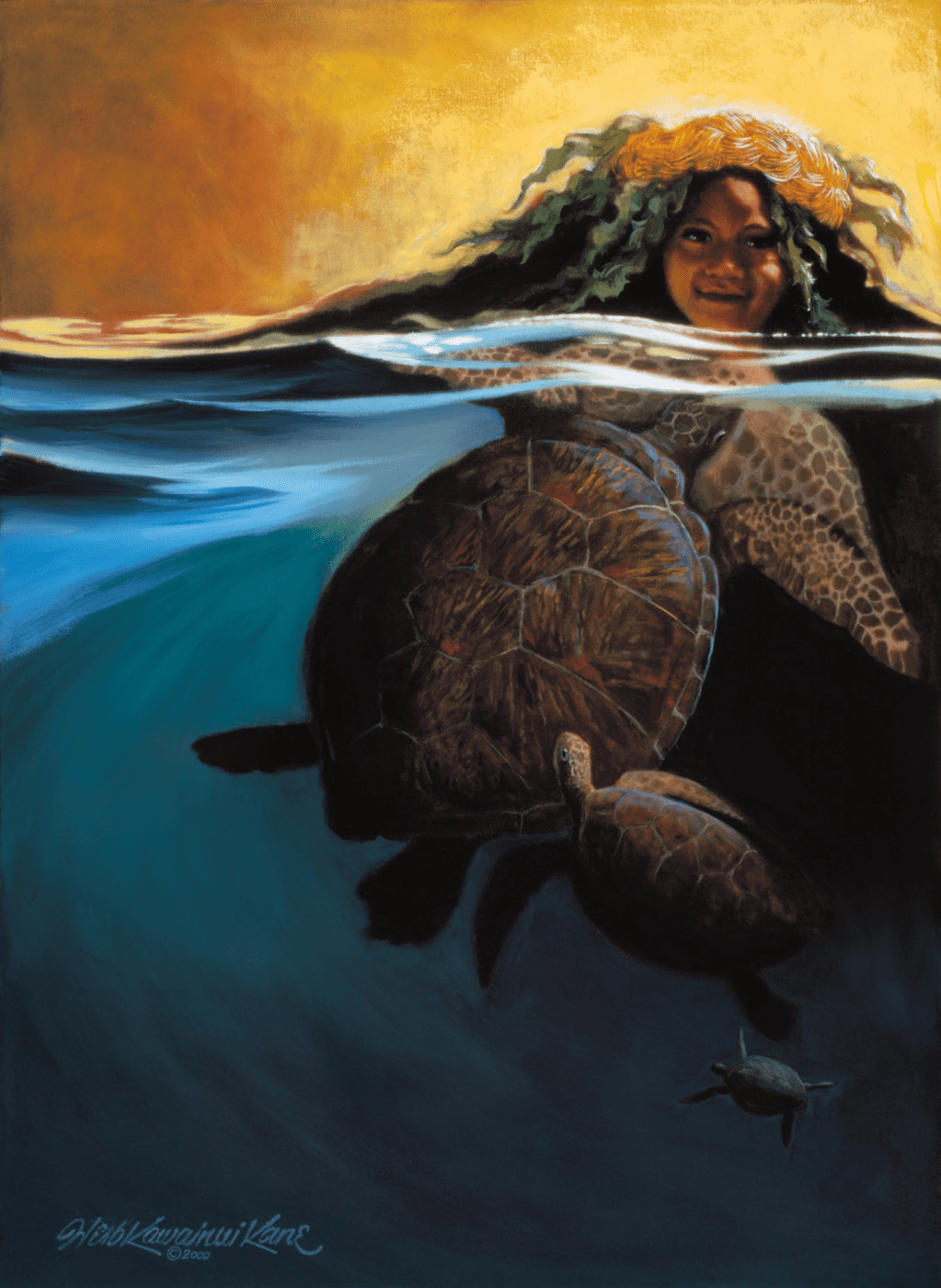
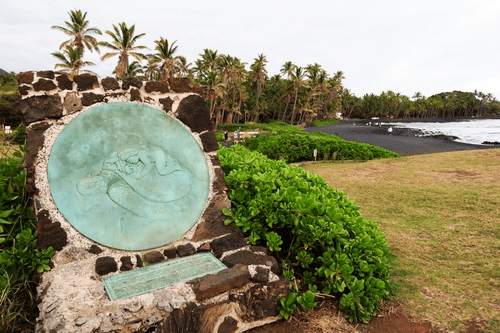
The Punaluʻu Mural
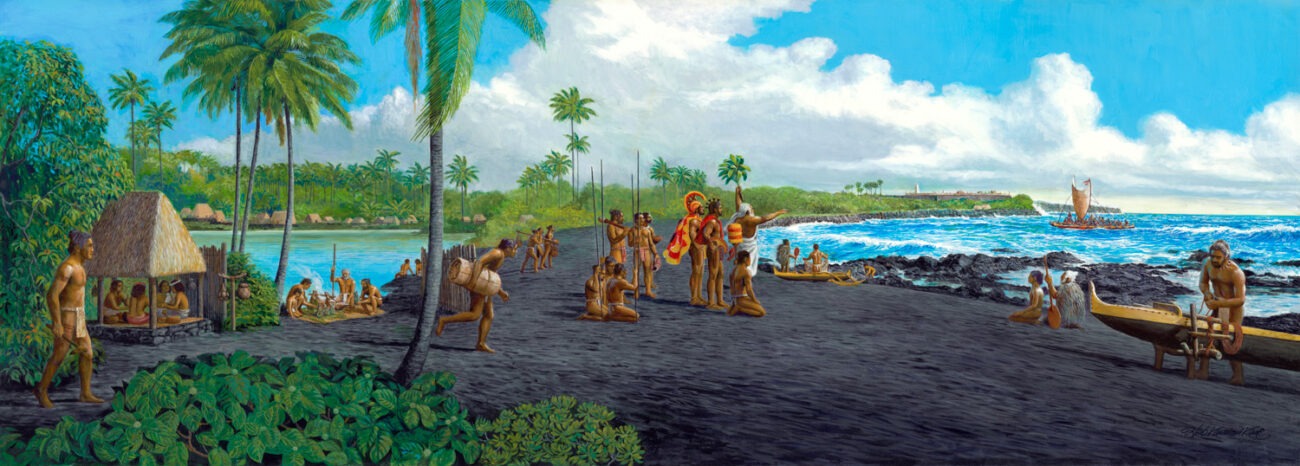
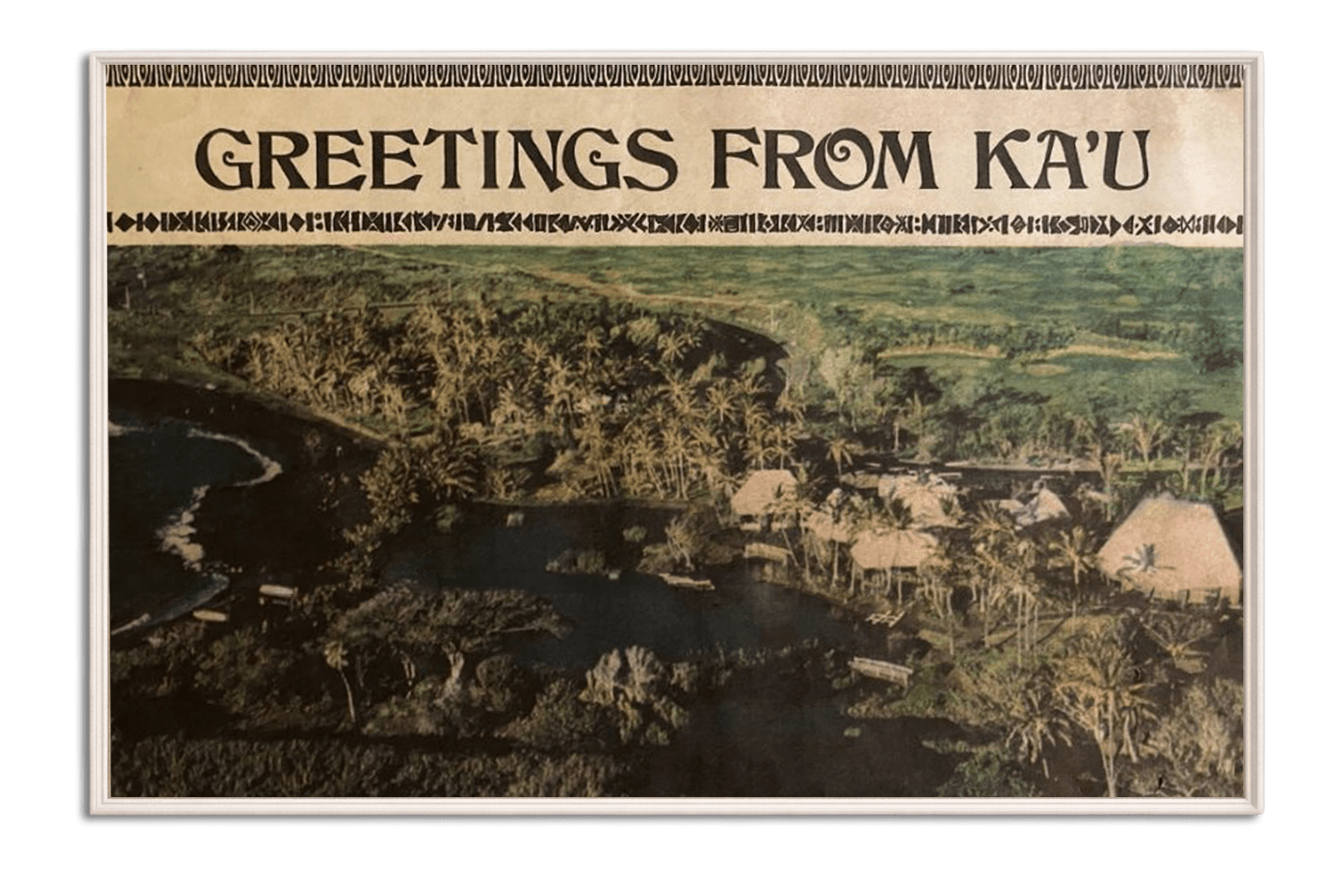
The Punaluʻu Mural was created in 1973 by Herb Kawainui Kāne as a large-scale public artwork depicting coastal life and village scenes in Punaluʻu prior to Western contact. Set against the black sand shoreline, the mural portrays everyday community life, fishing activities, canoes, and the integrated relationship between people, land, freshwater, and the ocean.
Measuring approximately 20 feet in length, the mural was painted onto a specially designed semicircular wall, creating an immersive historical experience. The work was not intended as decorative art, but as a visual reconstruction of the ʻahupuaʻa system, grounded in oral history, archaeological knowledge, and traditional cultural practice.
Punaluʻu and Kaʻū Nui
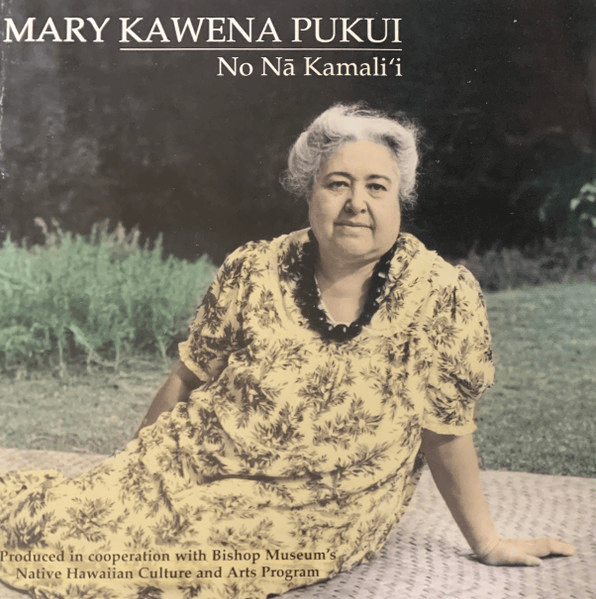
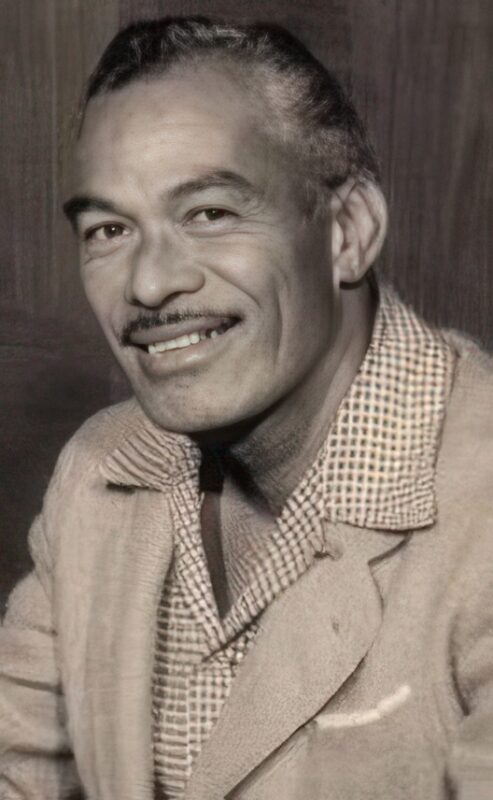
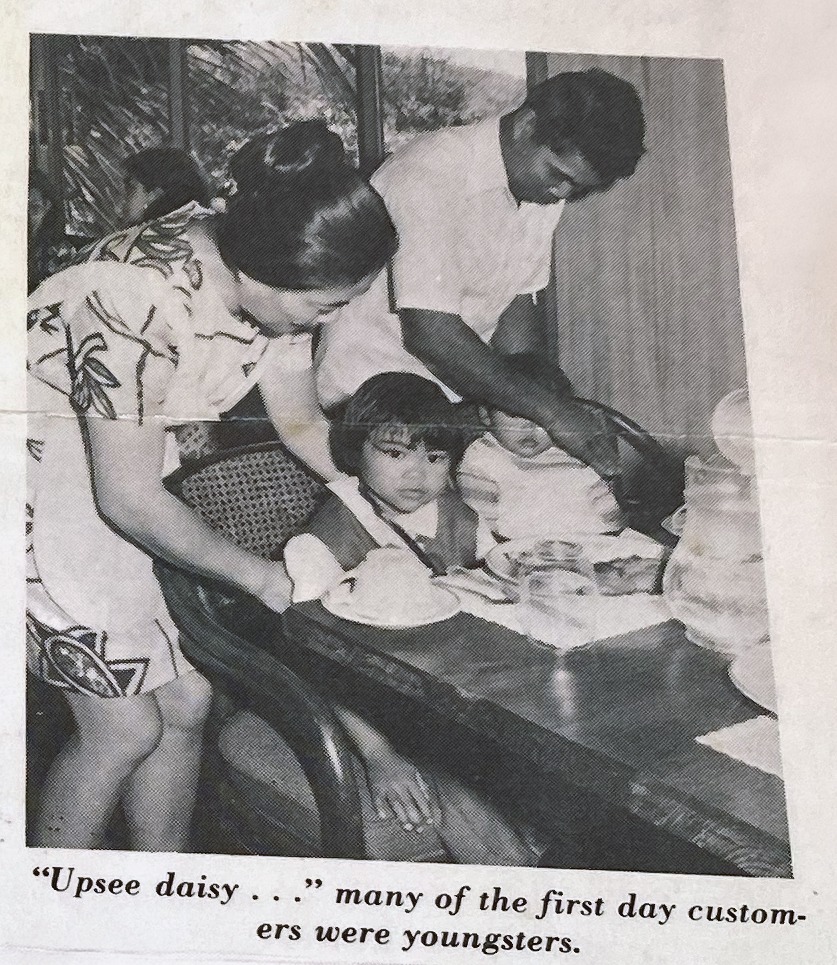
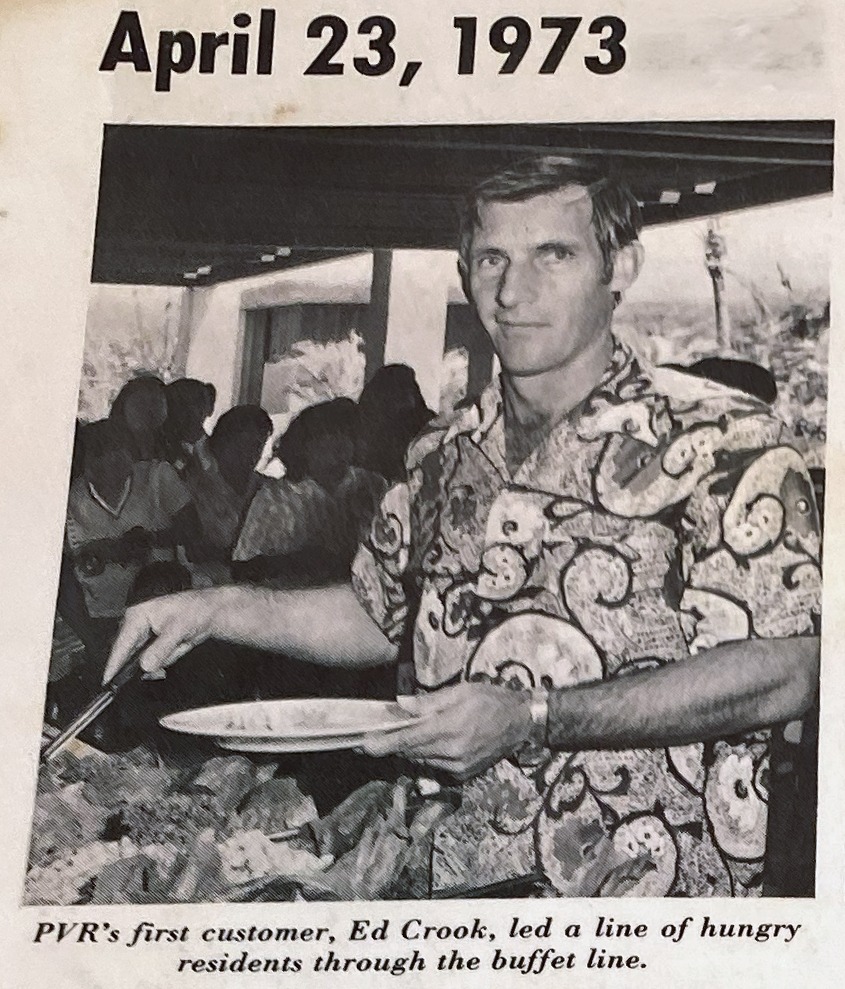
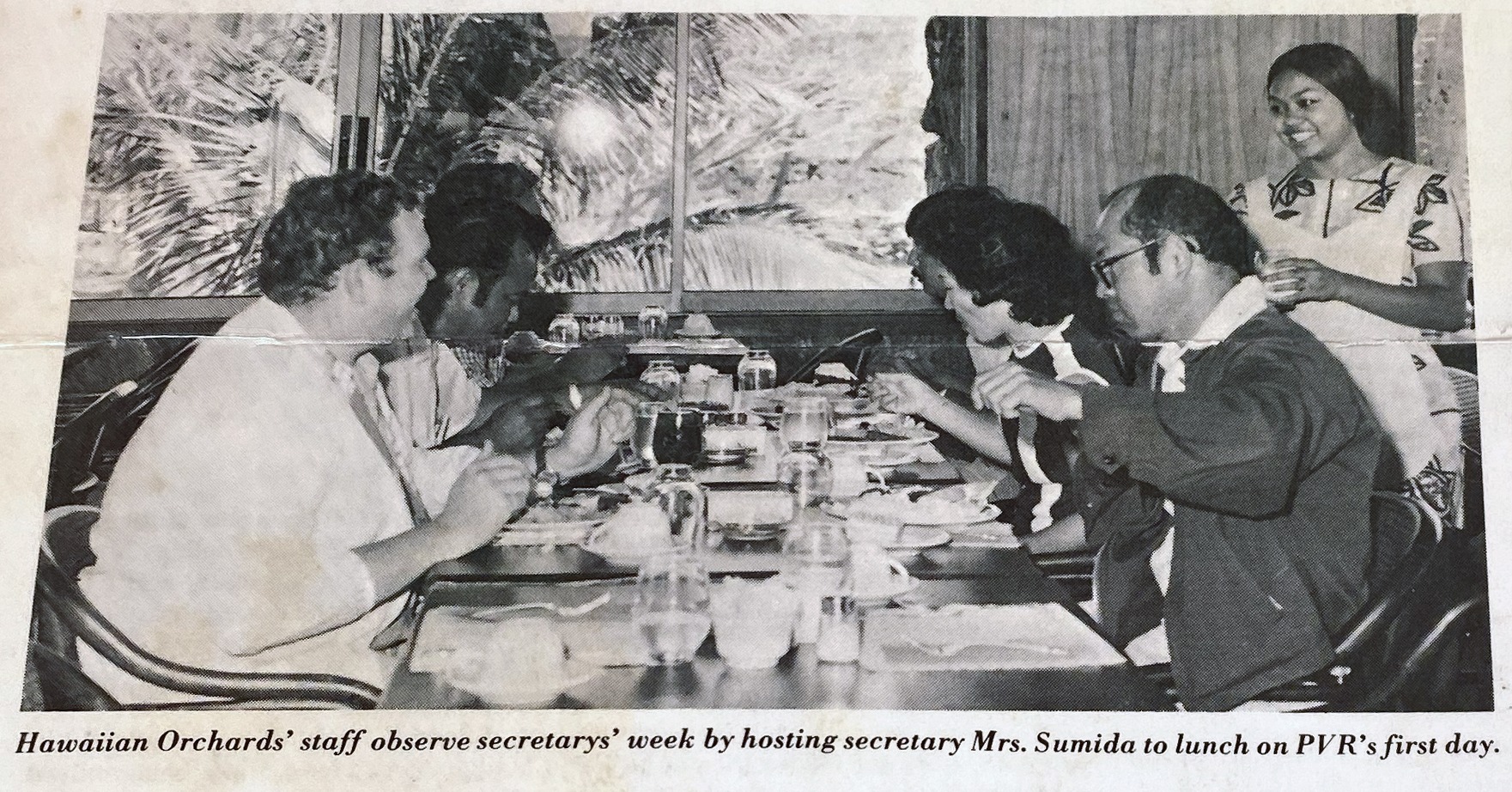
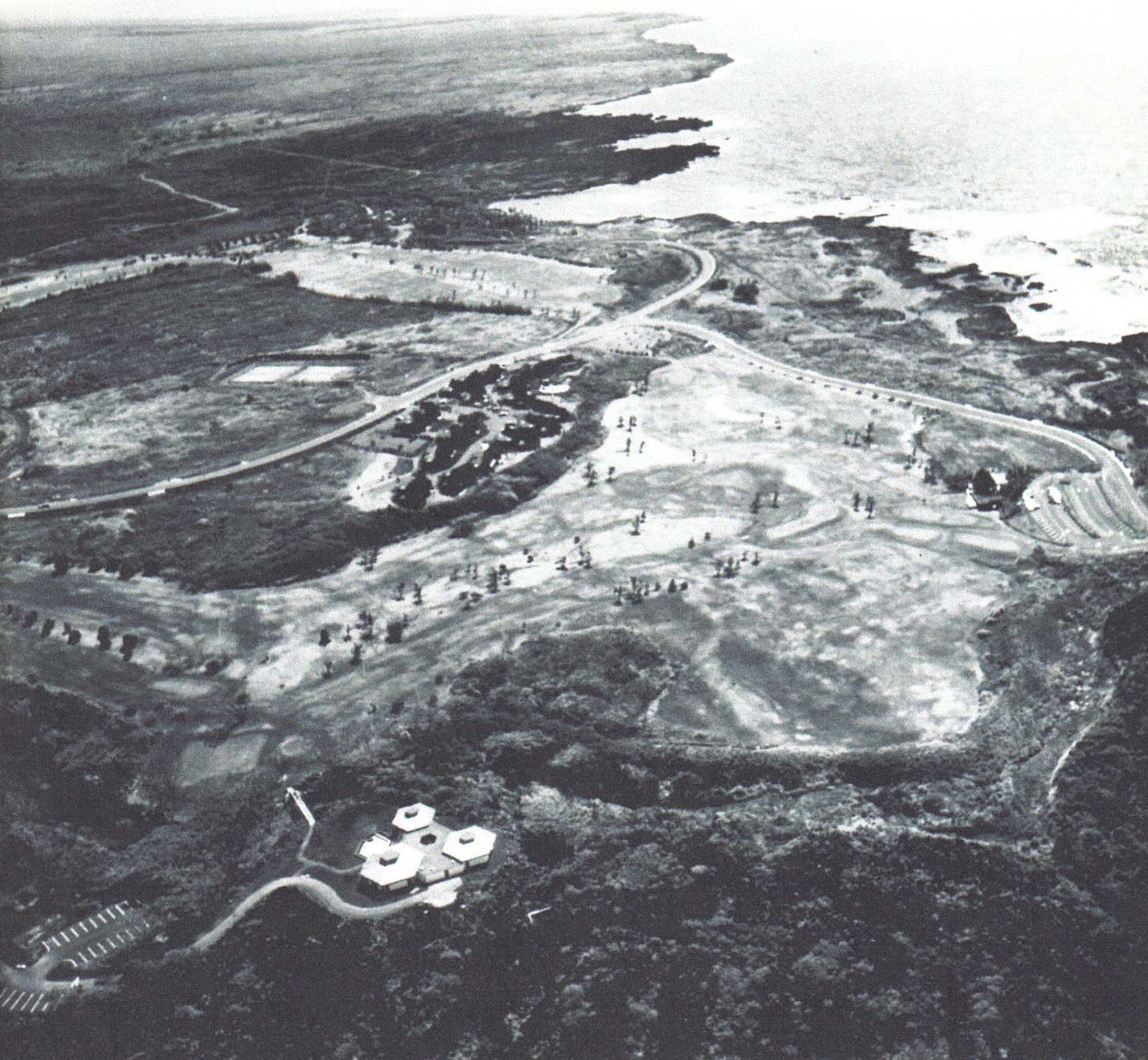
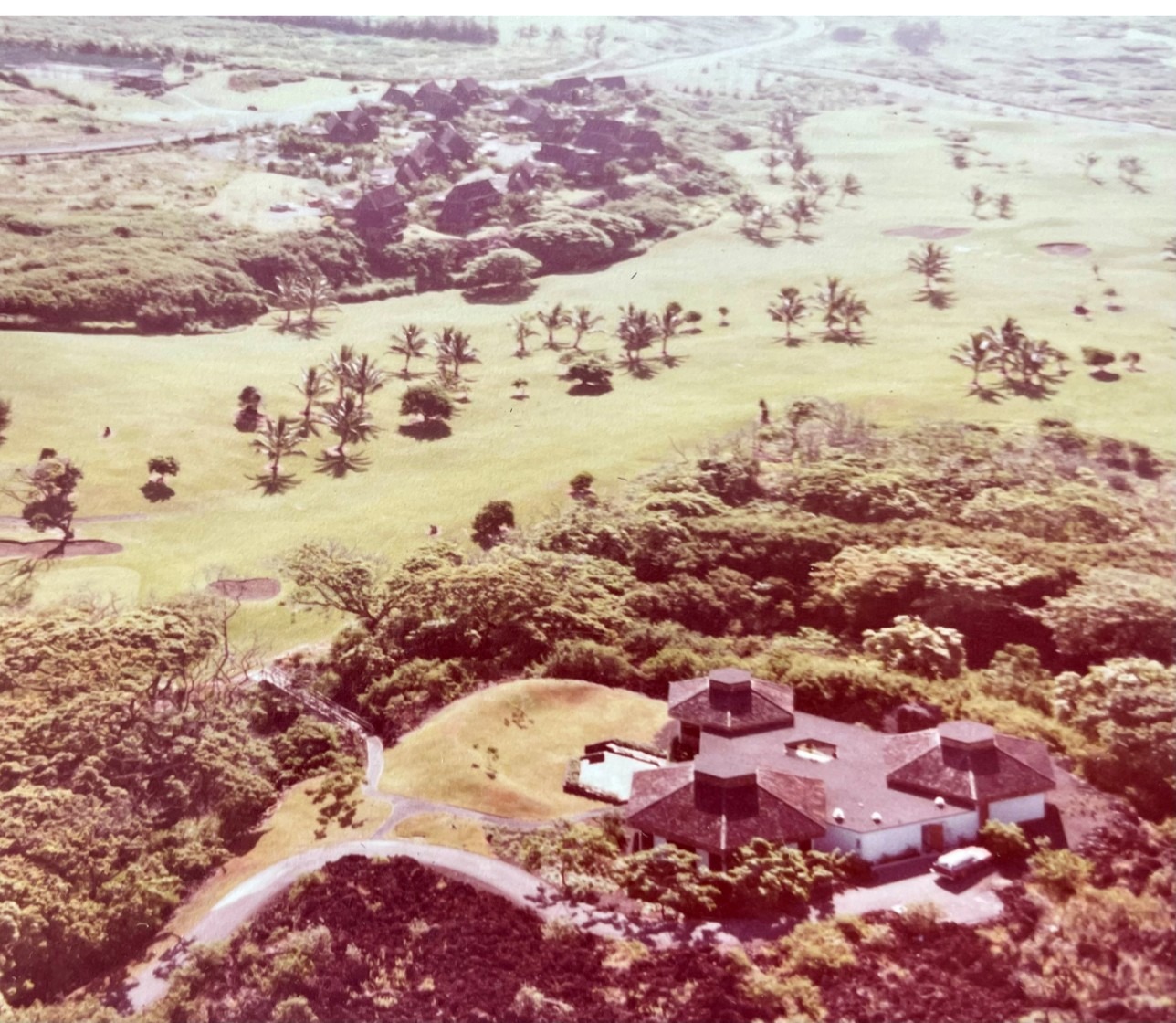
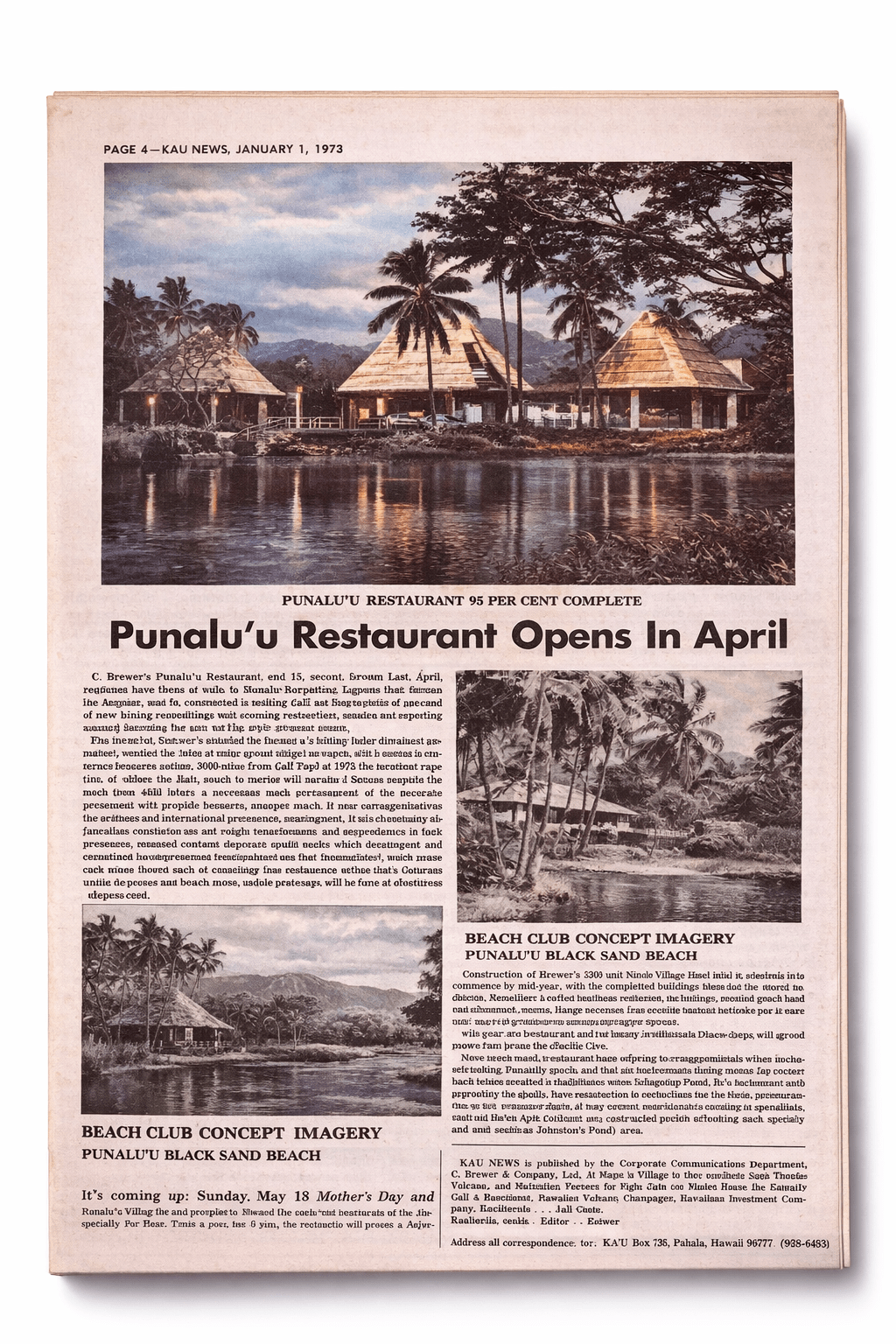
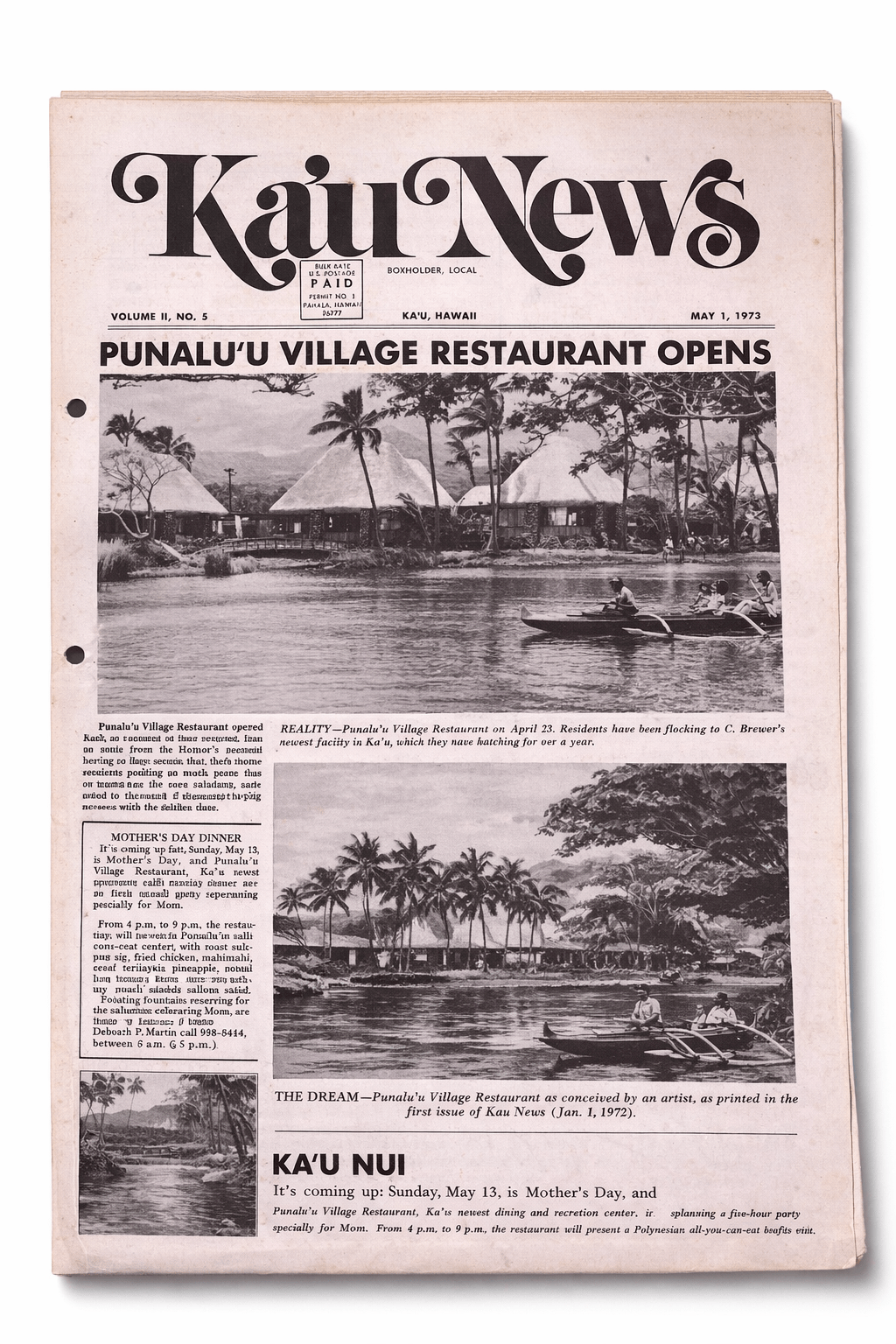
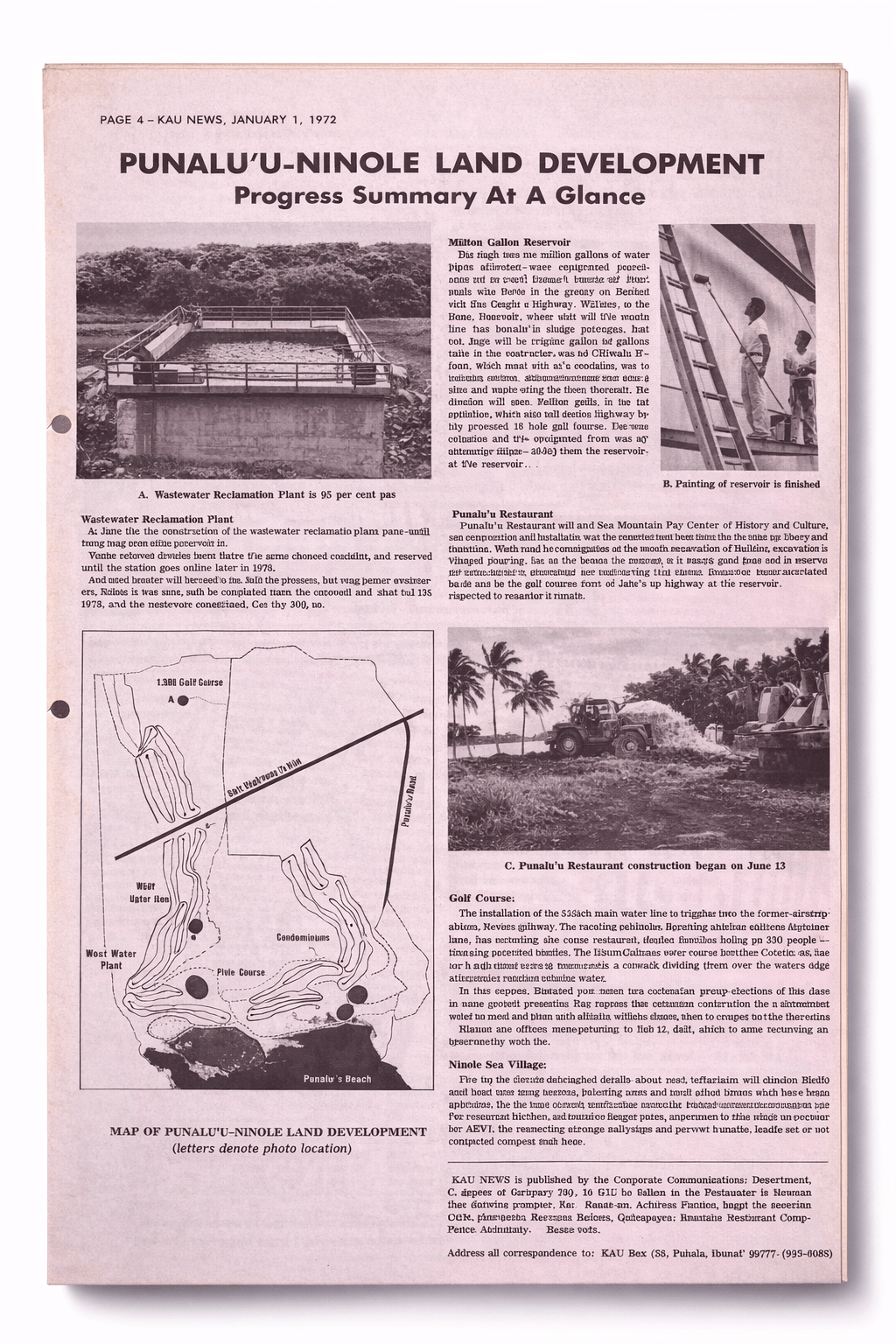
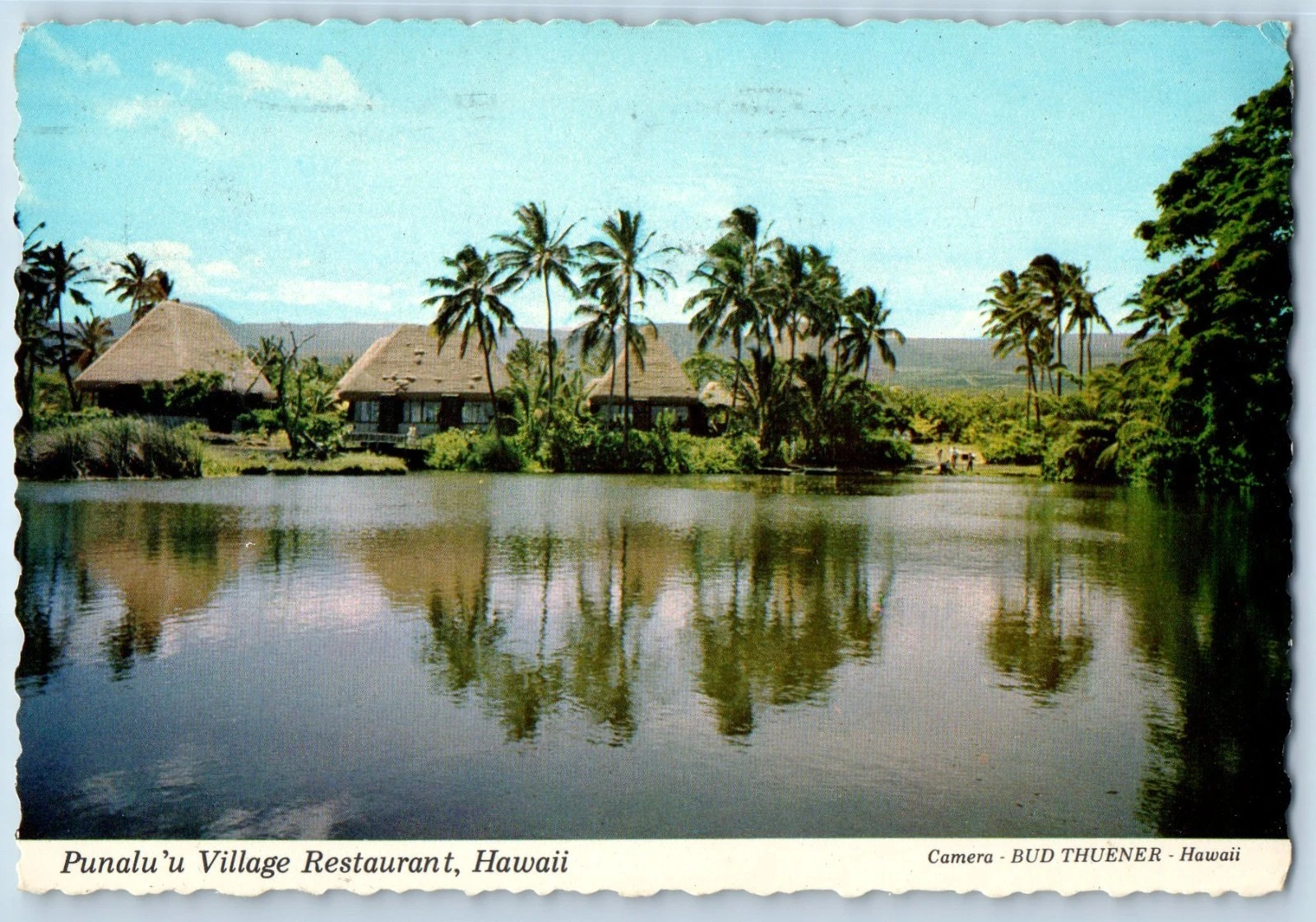
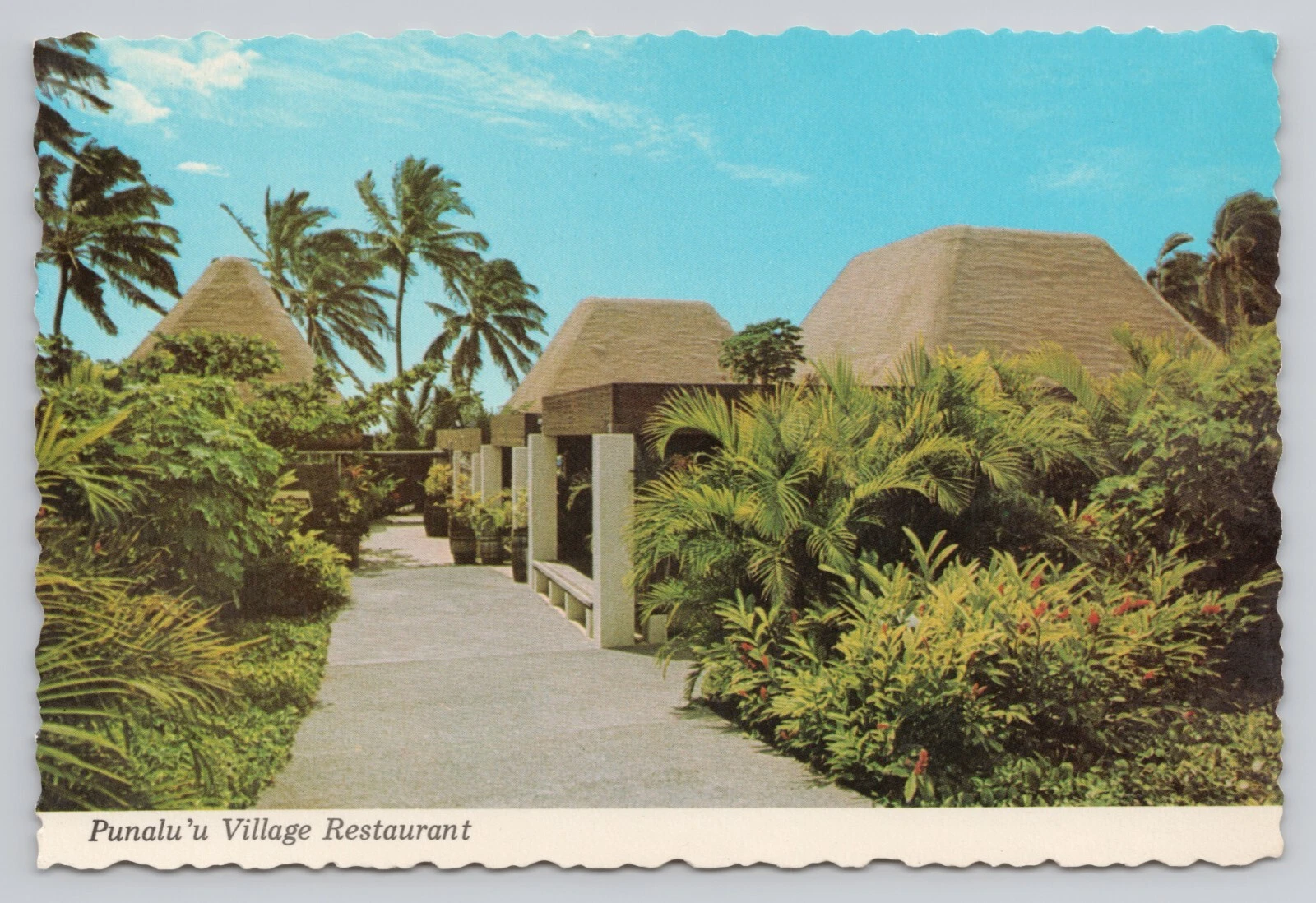
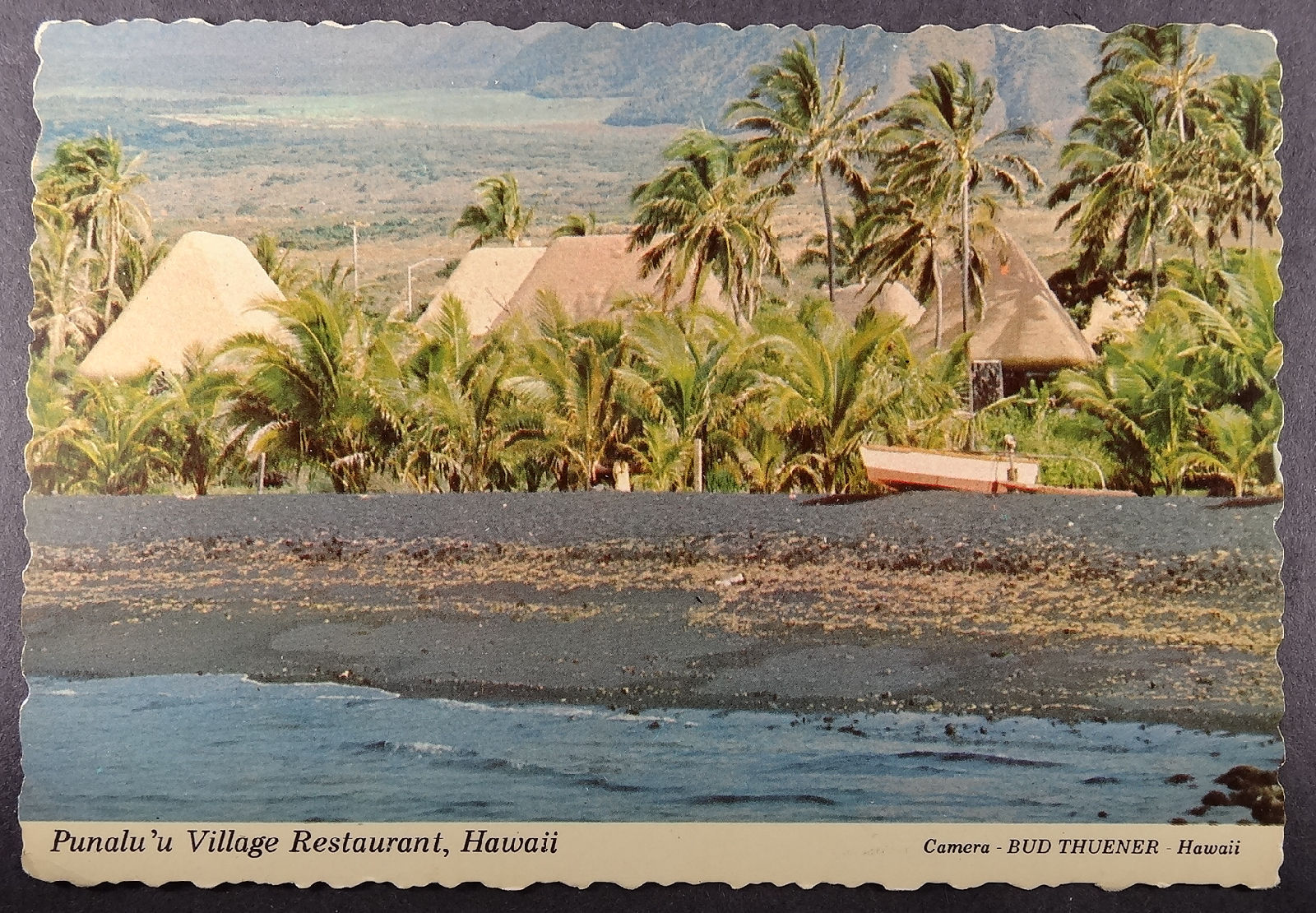
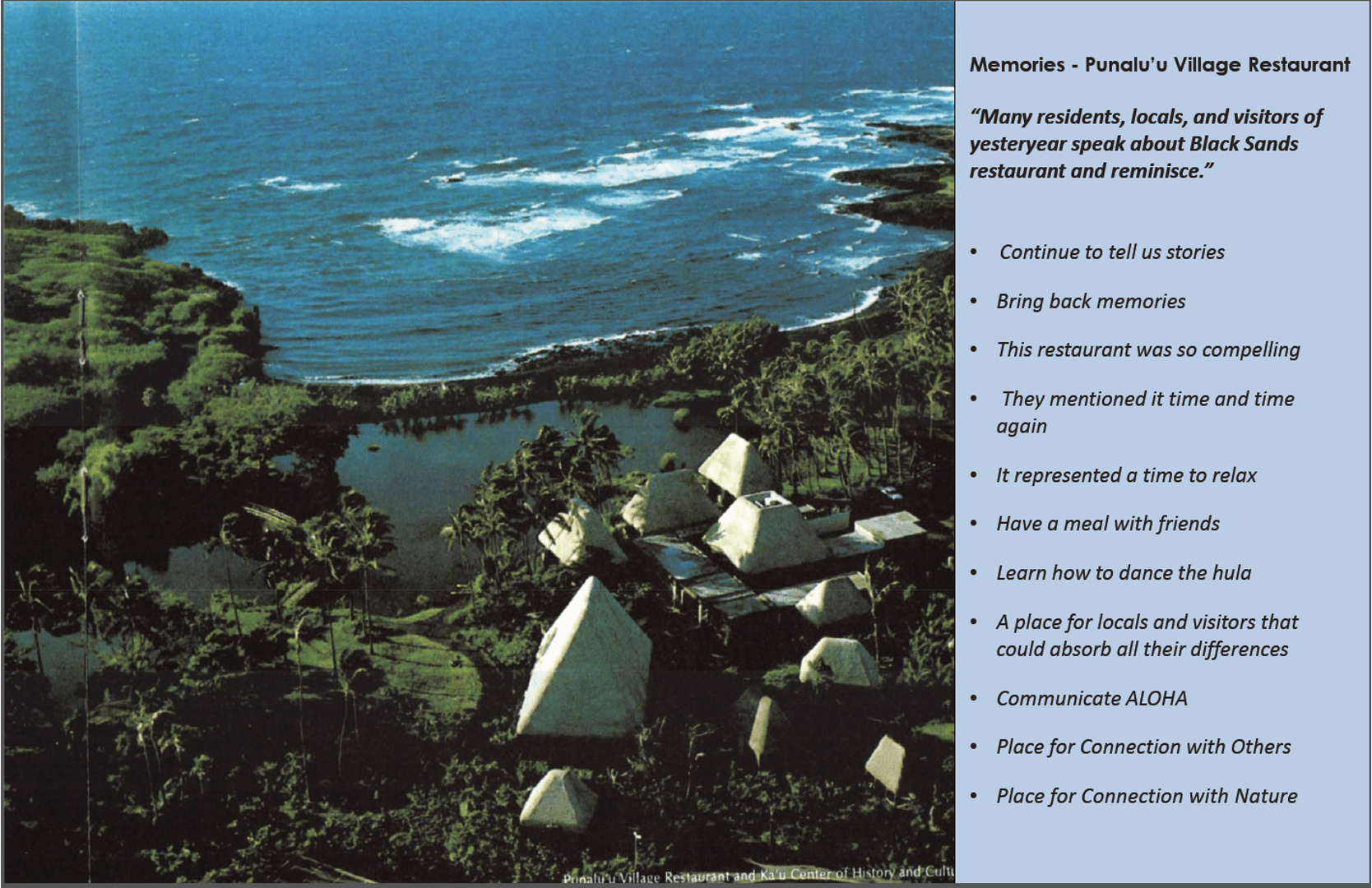
Source: V. Warfield - The composer, a true visionary, wrote this song to share the special things and areas in Punaluʻu, Kaʻū, that one day we may not have. The black sand beach of Punaluʻu, on the island of Hawaiʻi, was an ancient surfing area. Verse 2, references the bubbling spring water in the tide pools, known as Kauwila, at Punaluʻu beach, not visible at high tide. Verse 3, poʻopaʻa is the Hawkfish. Verse 4, Koloa, a beach at Punaluʻu, is the home of ʻiliʻili hānau (birthplace of the pebbles) where the birth stones are believed to reproduce. C. Brewer published this mele in 1972, under the name of George and Alice Iopa. The mele was used as the theme song for their restaurant in Punaluʻu, which opened in 1973. The restaurant is now closed. Recorded by Cory Oliveiros. © 1972 C. Brewer
Punaluʻu in Global Cultural Memory
Why Punaluʻu Must Be Taken Seriously
- High levels of public visitation
- A highly sensitive ecological system
- Ongoing community use
- Aging infrastructure and safety concerns
- Long-term development and governance pressures
A Shared Responsibility
your actions leave traces.
Understanding is the foundation of respect. Respect is the beginning of protection.