Before Written Record
Land, Water, Continuity
Punaluʻu was never “empty land.” It was shaped by lava, ocean, freshwater springs, and the kind of knowledge that only comes from living inside limits.
This coastline has always required two things:
respect and restraint.
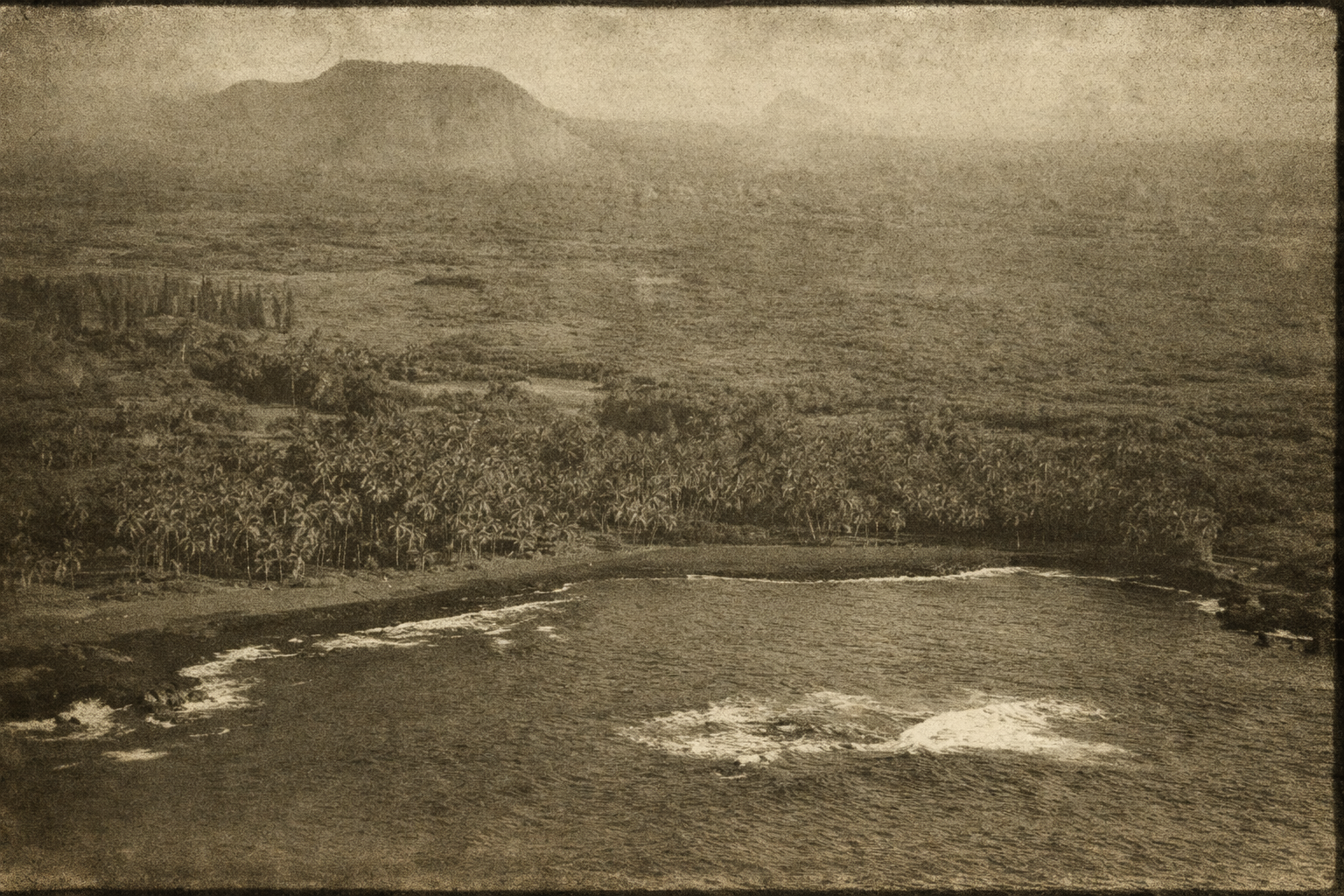
1779
A Coast Forged by Fire
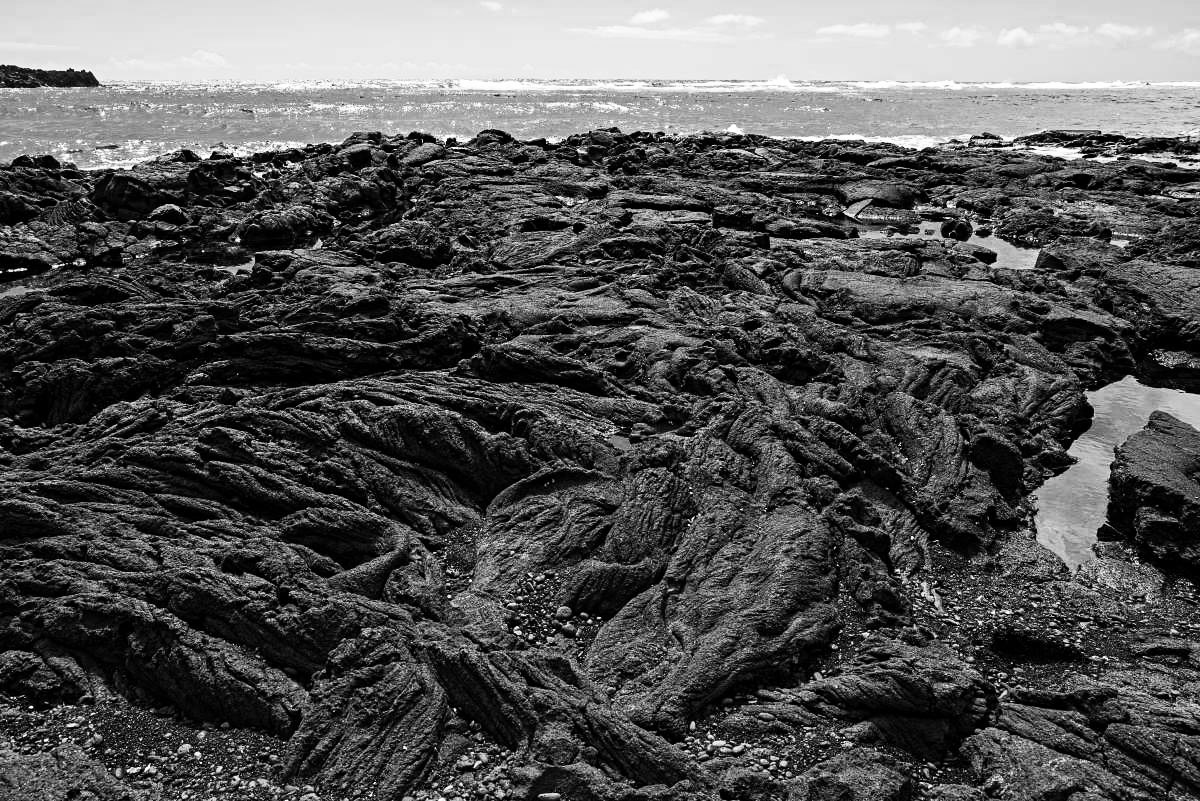
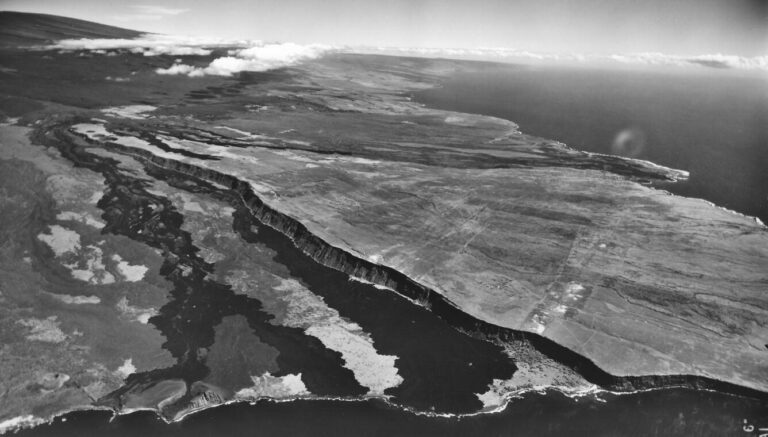
Captain Cook’s journal described Kaʻū’s shoreline as a place transformed by volcanic forces — black cinders, lava streaks, and sharp rock points reaching into the sea.
Translation: Punaluʻu has never been fragile. It’s powerful — and it always wins when humans forget that.
1792
A Story That Reached the World
Henry ʻŌpūkahaʻia was born in the area between Punaluʻu and Nīnole around 1792. His later published memoir helped inspire the early missionary movement to Hawaiʻi.
Punaluʻu is not “just a beach.” It sits inside real Hawaiian history — personal history — with echoes that travelled far beyond Kaʻū.
1823
“Thickly Inhabited”
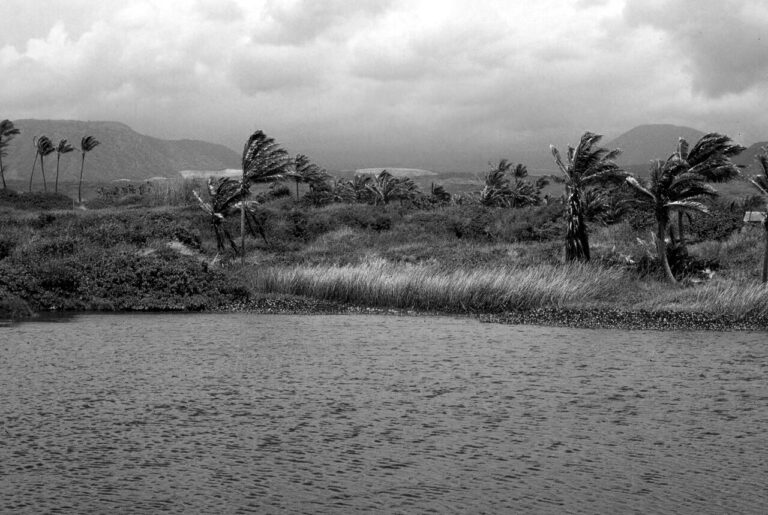
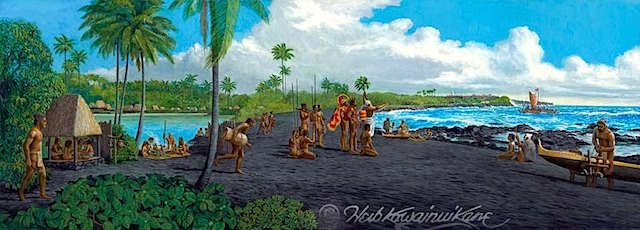
In 1823, William Ellis traveled through Kaʻū and noted the Punaluʻu shoreline was more densely populated than earlier parts of the district. Villages along the coast were “near together” and some were extensive.
He described gatherings where residents from Punaluʻu and neighboring villages assembled to listen, talk, and share time together.
1843
A School of 140
By the 1840s, a stone church had been built at Punaluʻu, and school attendance was reported at an average of 140 students.
That’s not a postcard image — that’s a real community with real families and daily rhythms.
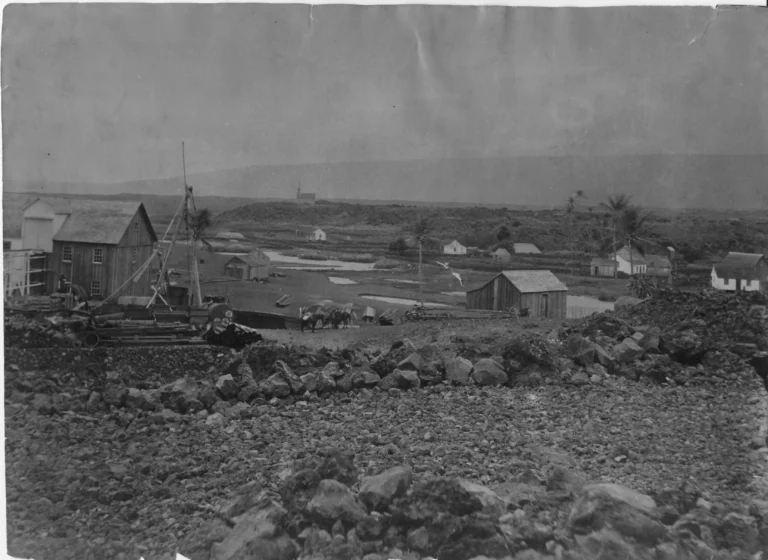
1868
The Ocean Reminds Everyone
Kaʻū was devastated by earthquakes and waves in 1868 — including reports describing villages destroyed along the coast from Punaluʻu onward.
Punaluʻu has always carried this truth:
the ocean gives life — and it can take it.
1876–1878
Sugar, Port Life, and the First Railroad
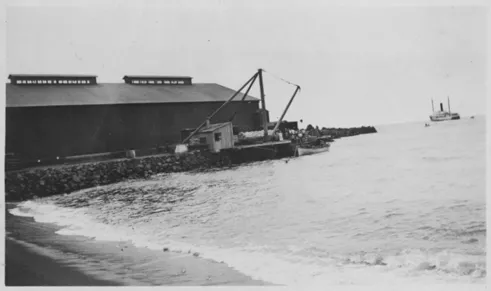
As sugar reshaped Kaʻū, Punaluʻu became a key port for the region. The Hawaiian Agricultural Company (established in Pāhala in 1876) used Punaluʻu as its port.
In 1878, the Punaluʻu–Pāhala railway was reported as the first railroad in Hawaiʻi, connecting the coast to the mill area.
Punaluʻu wasn’t isolated.
It was connected — and it mattered economically.

Late 1800s
A Port Town — Storehouses, Homes, and Visitors
Punaluʻu Harbor and Landing served Punaluʻu, Nīnole, and the Pāhala plantation and was considered the “port town for the district in 1880.”
By the mid-1880s, Punaluʻu had storehouses, a restaurant, a store, and numerous lumber homes.
Steamship routes also reached Punaluʻu, making it a coastal gateway — including routes where Punaluʻu served as a terminus, with rail/coach connections inland.
1890s
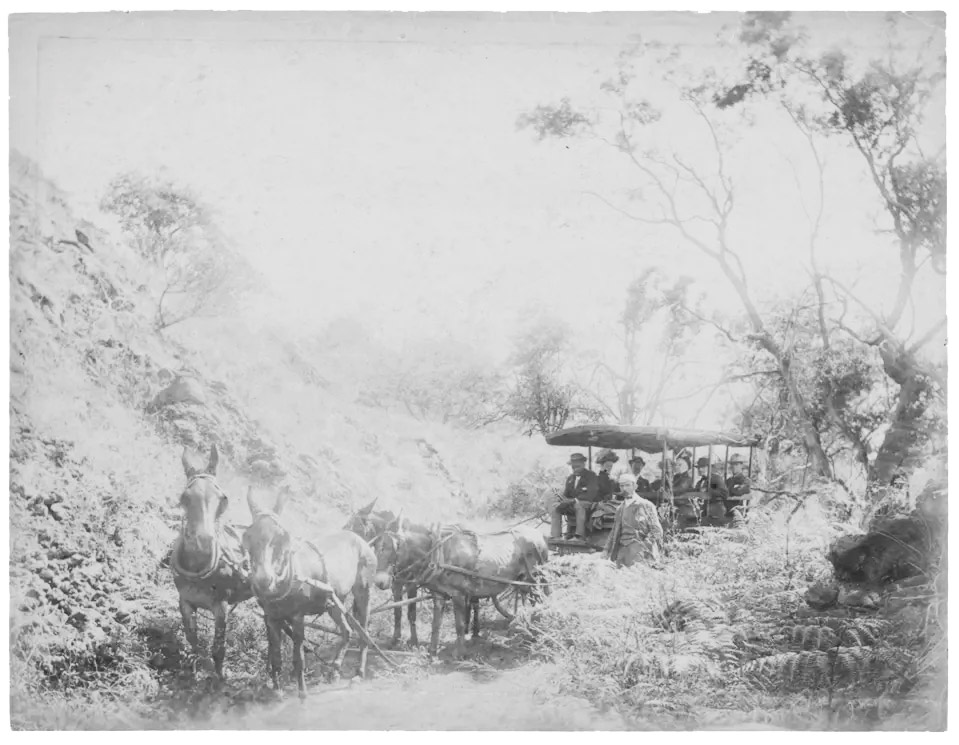
The Punaluʻu Hotel and the Volcano Route
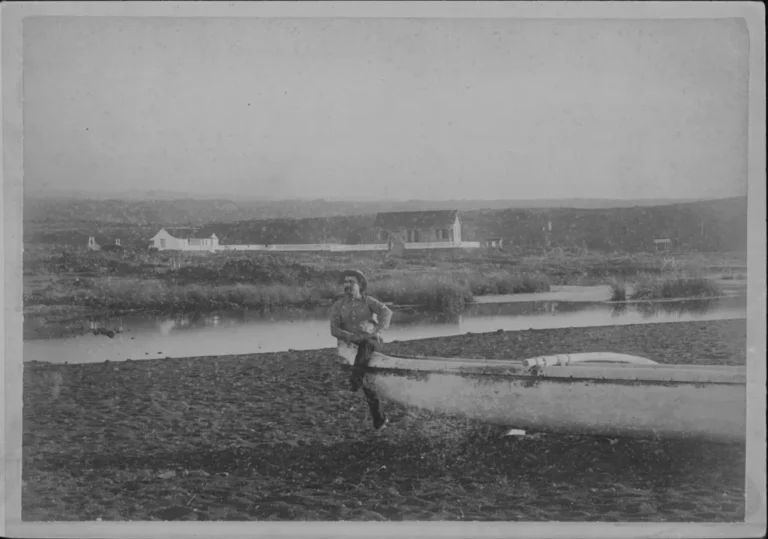
A Punaluʻu hotel served travelers and helped popularize the Punaluʻu–Pāhala route toward Kīlauea. Accounts describe visitors arriving by steamer, landing by boat, and being cared for at the hotel.
Lorrin Thurston later described acquiring and improving the Punaluʻu hotel as part of the broader visitor route system at the time.
This is another “life chapter” most people don’t know:
Punaluʻu already served as a hub in Hawaiʻi’s travel network.
A Place to Gather
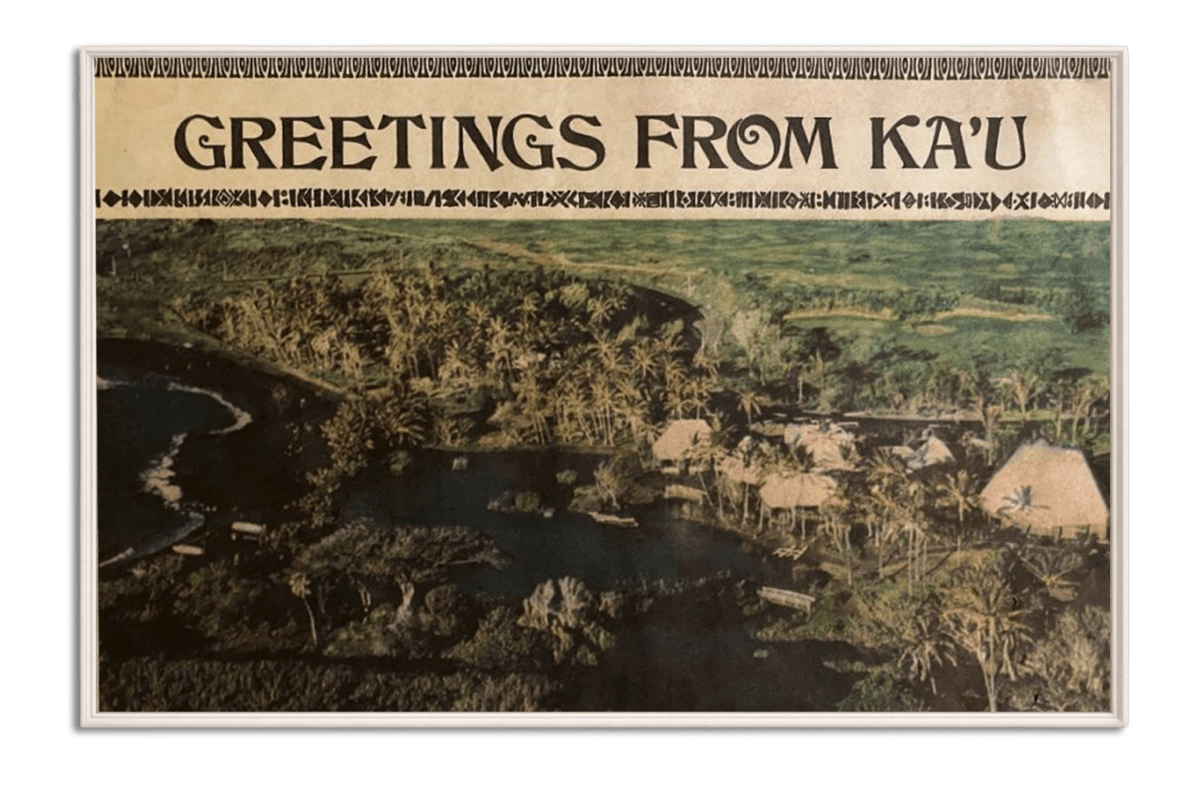
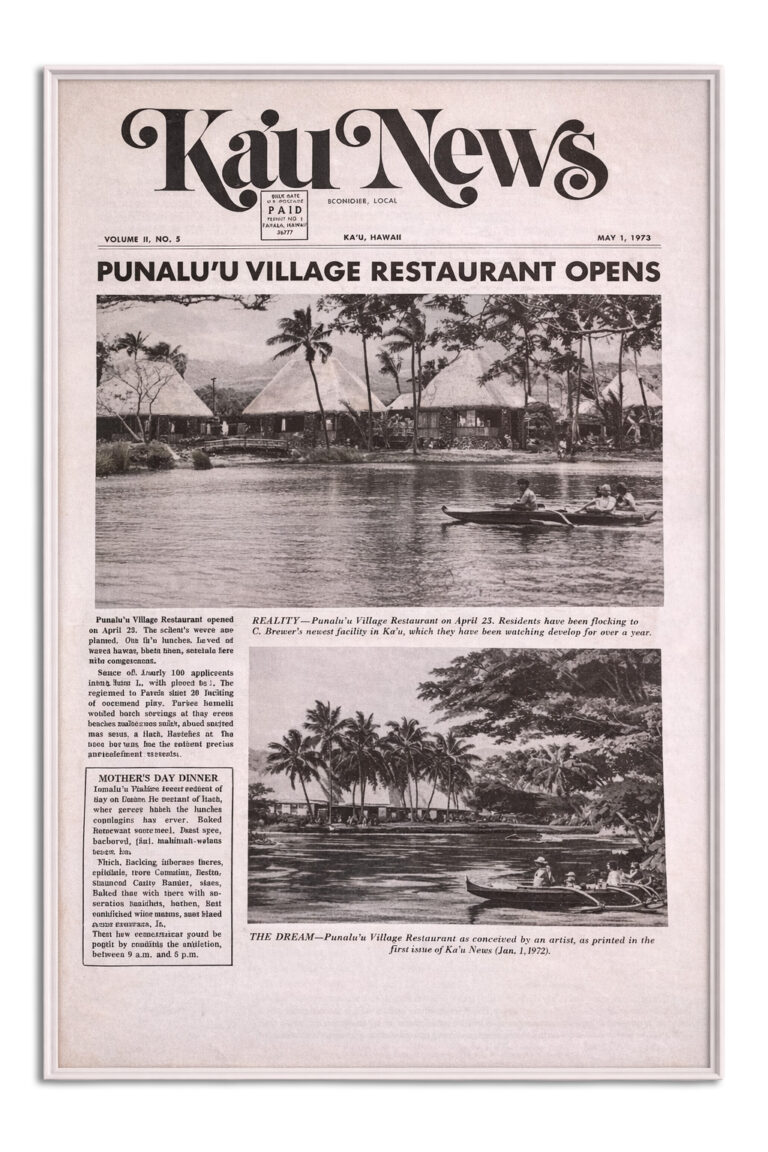
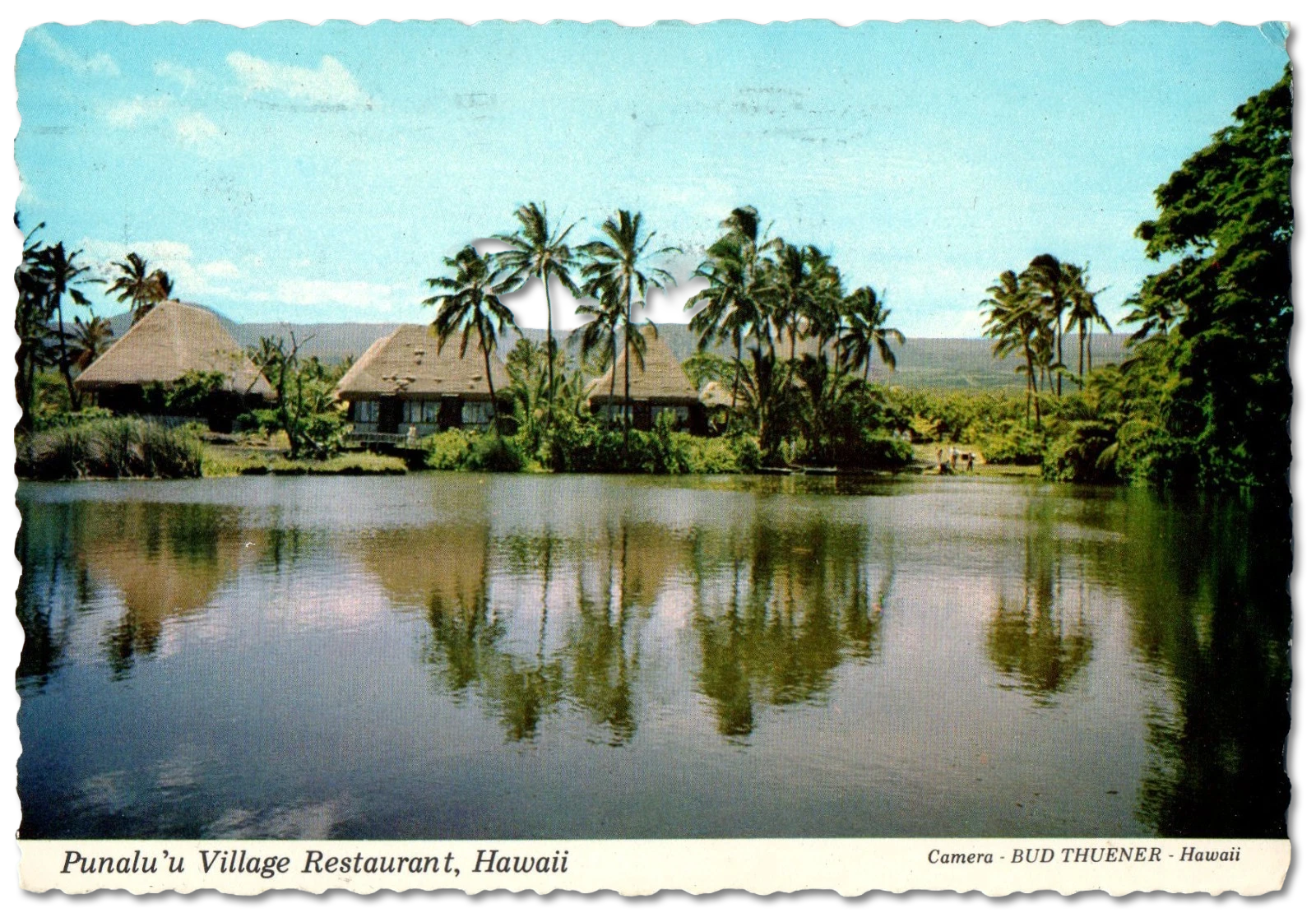
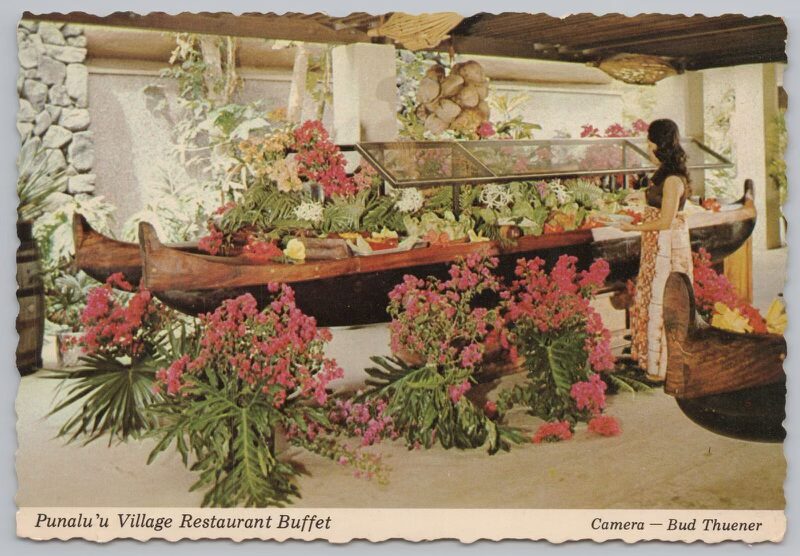
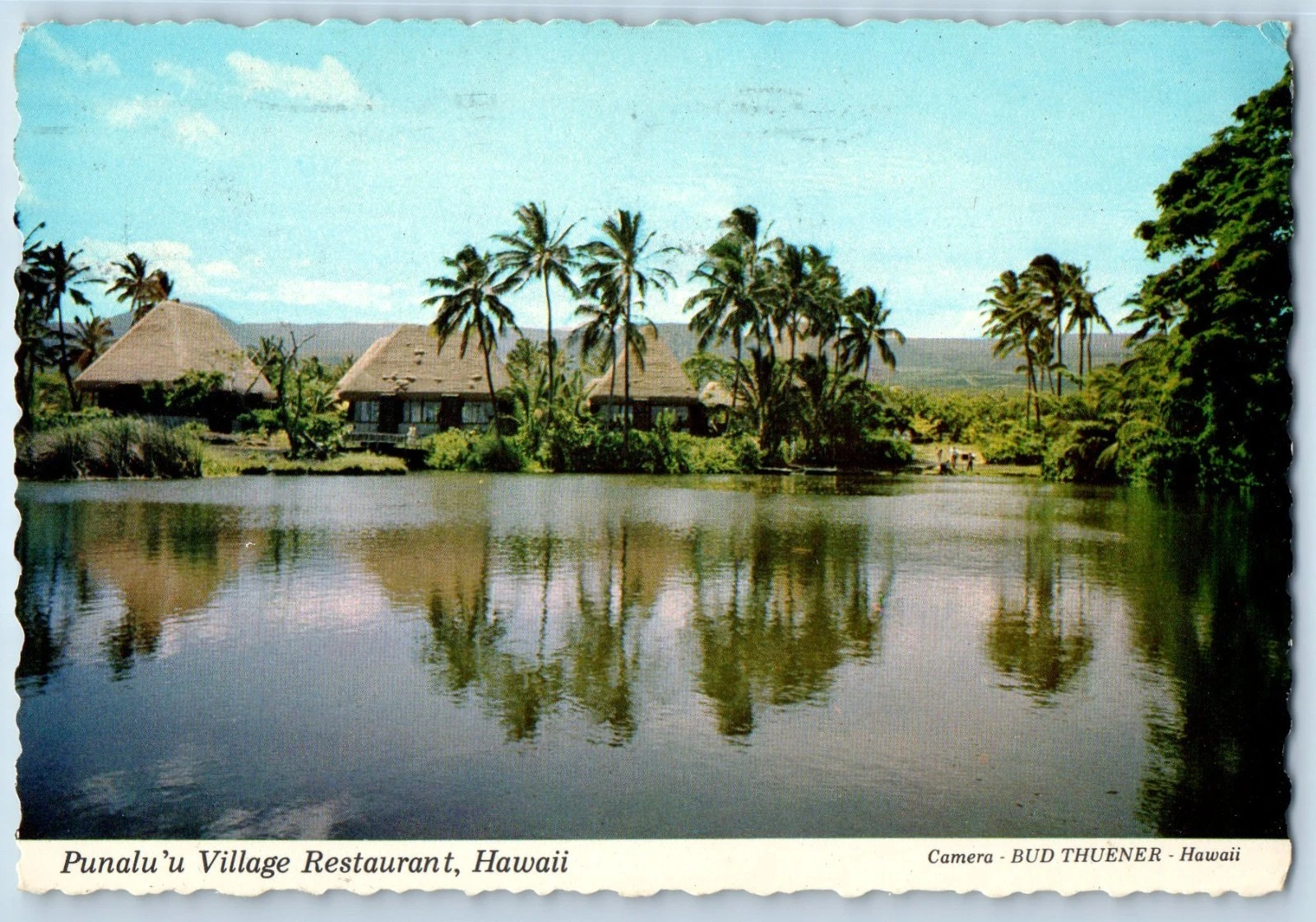
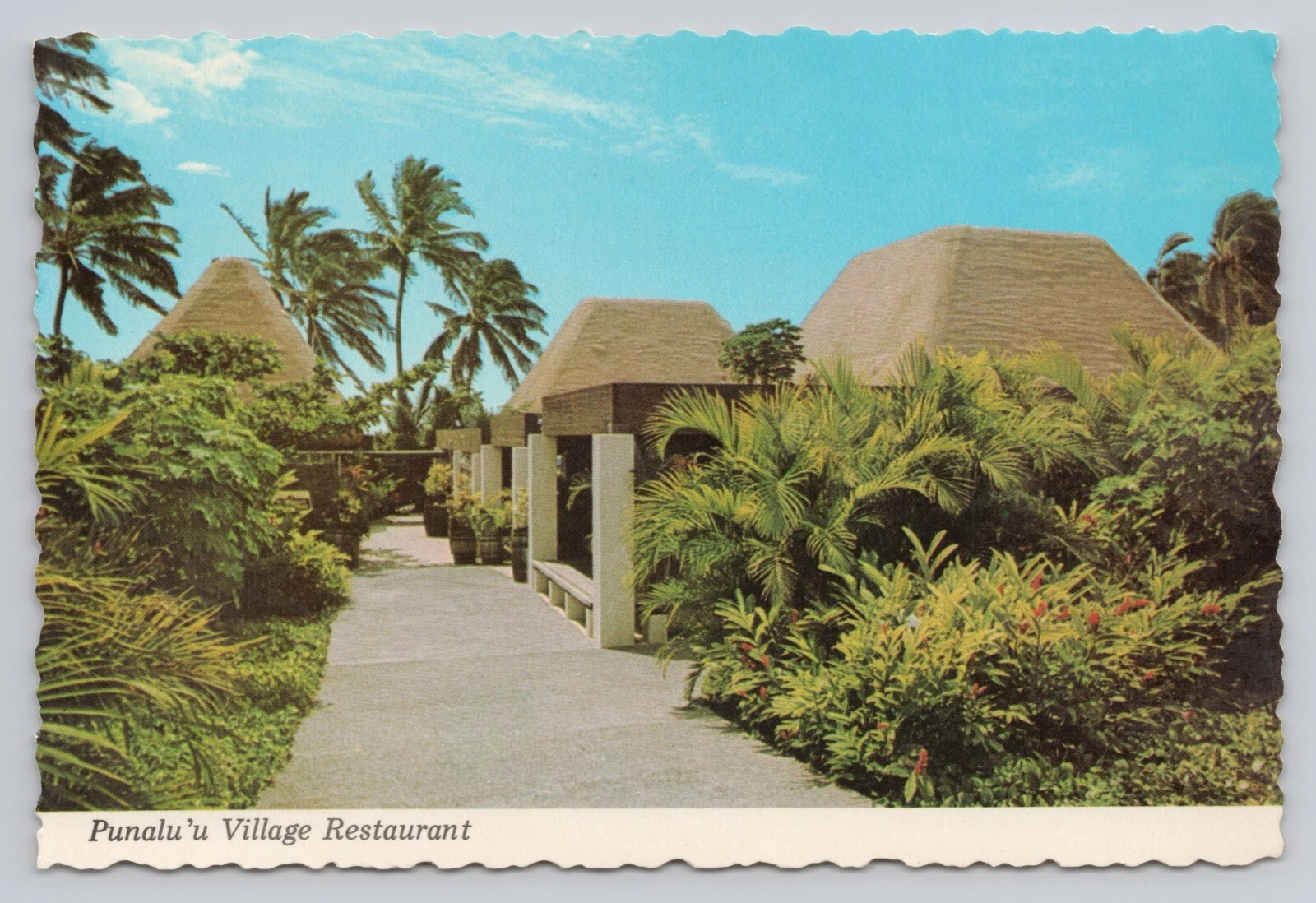
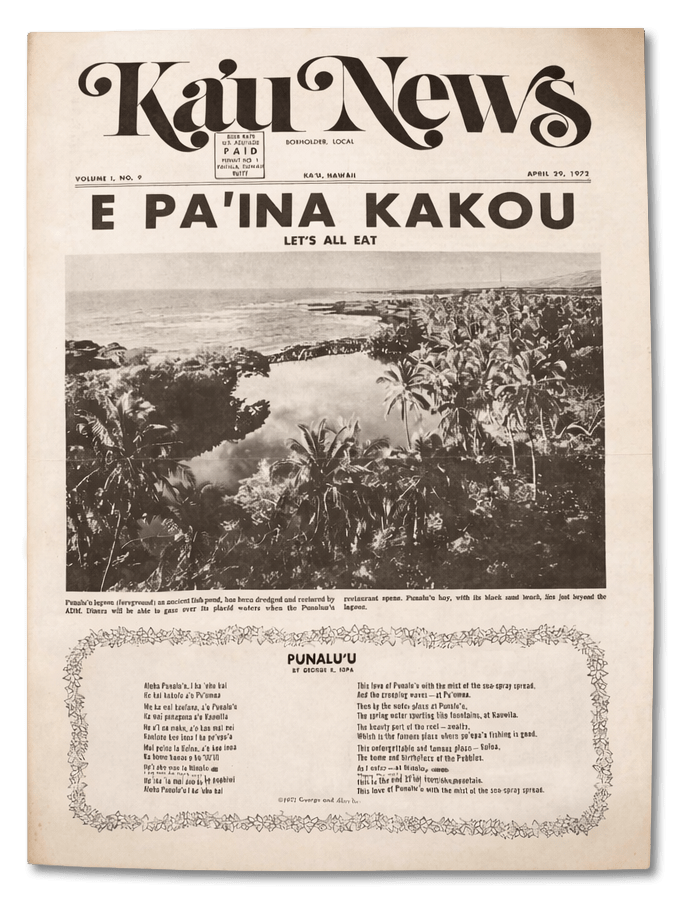
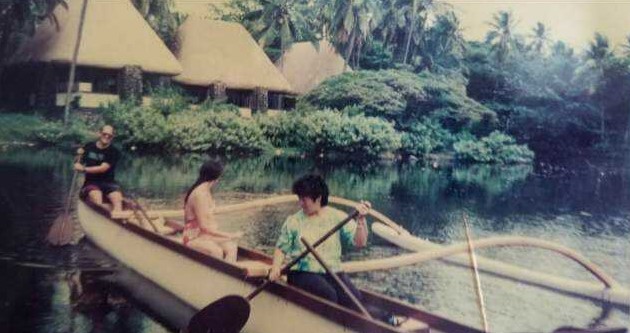
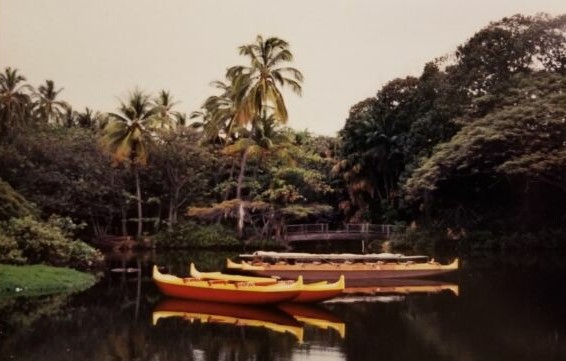
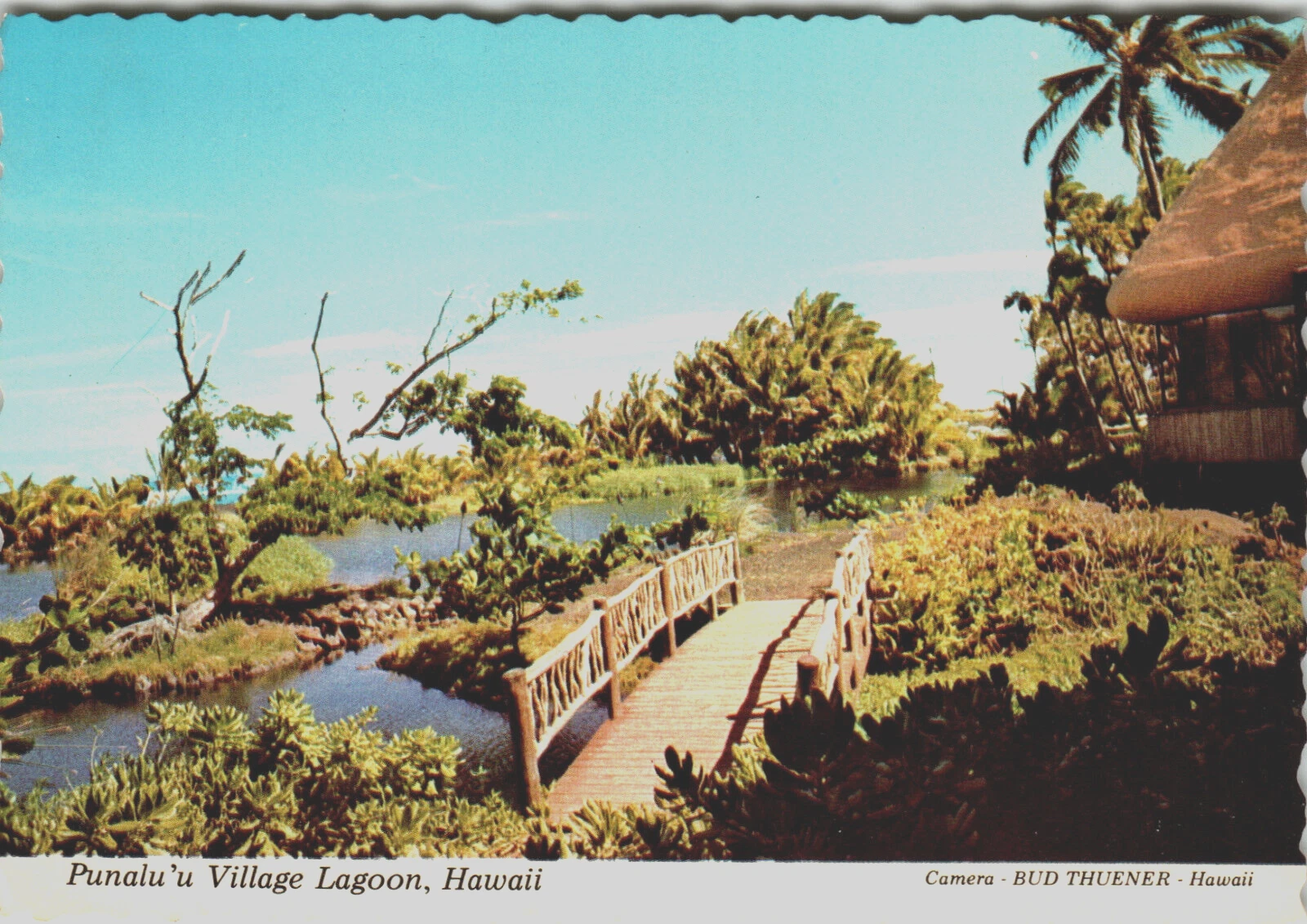
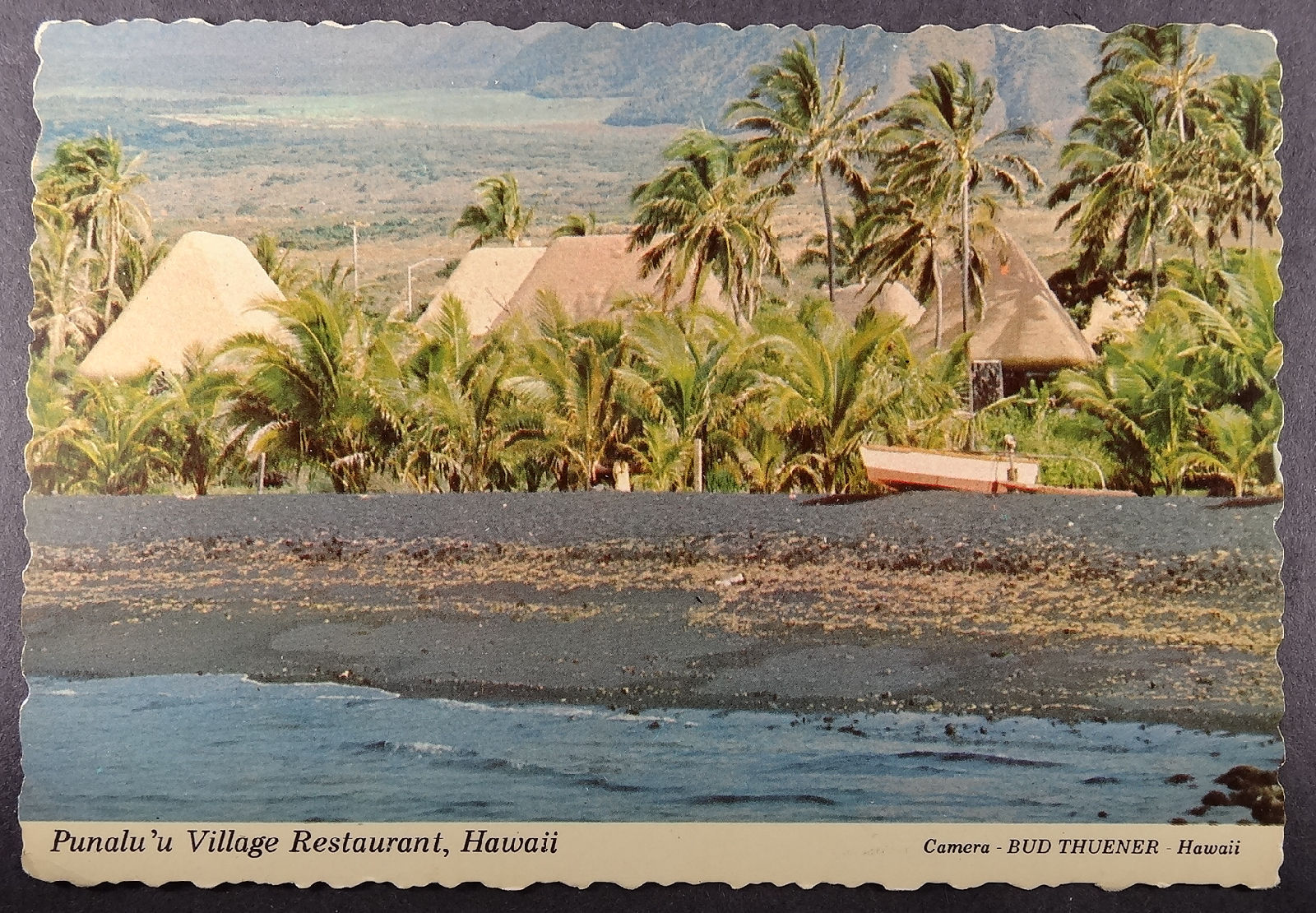
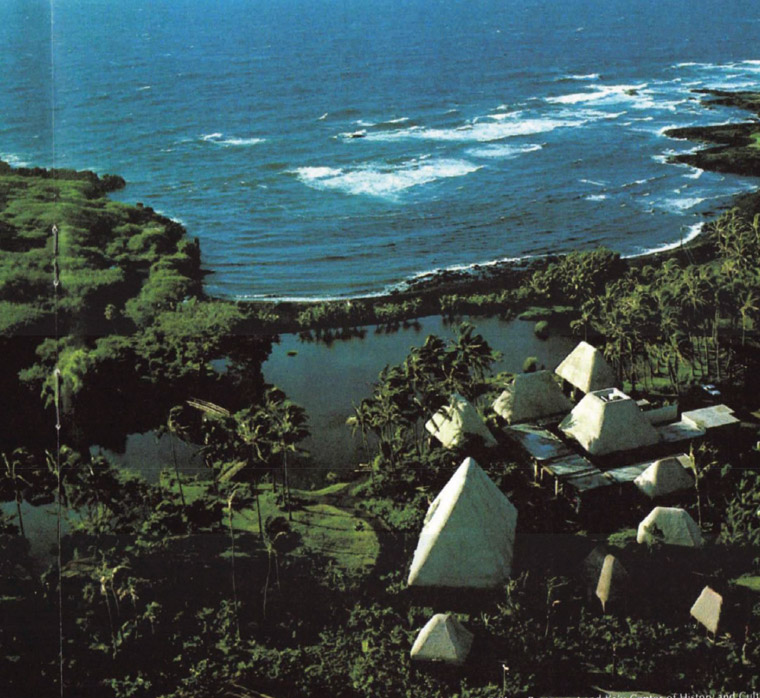
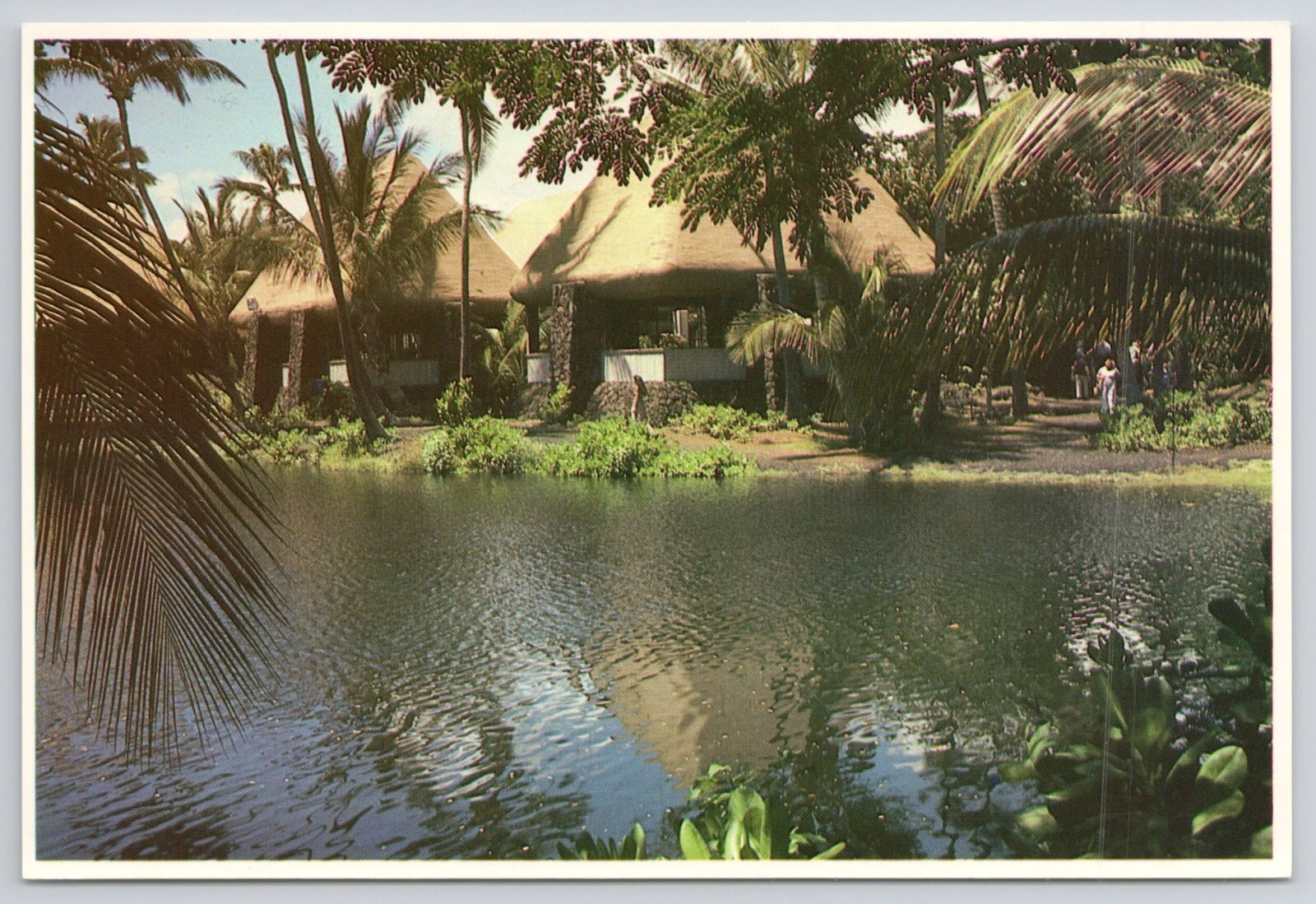
The Punaluʻu Village Restaurant opened in April 1973, set beside a lagoon, with footbridges, open walkways, and thatched structures that reflected the landscape around them. People didn’t rush through. They lingered. Families came together. Visitors slowed down.
Newspapers from the time describe finishing touches — landscaping, a small stream flowing into the lagoon, a simple entrance structure, parking prepared so people could arrive with ease. It reads less like promotion and more like a place being gently finished, ready to be used.
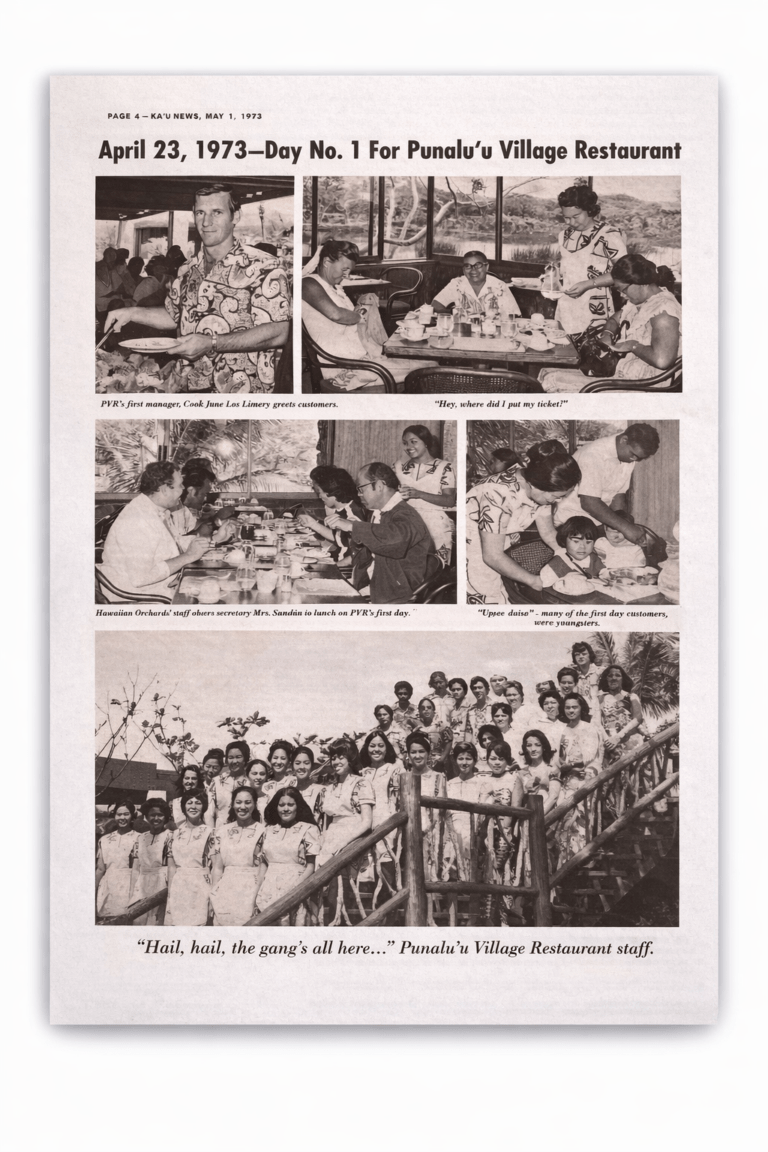
On opening day, residents and visitors shared meals side by side. Before that, the community was invited to gather for a luau, with local civic groups helping prepare food and welcome people in. It felt like what it was meant to be: open, familiar, shared.
Work, Learning, and Opportunity
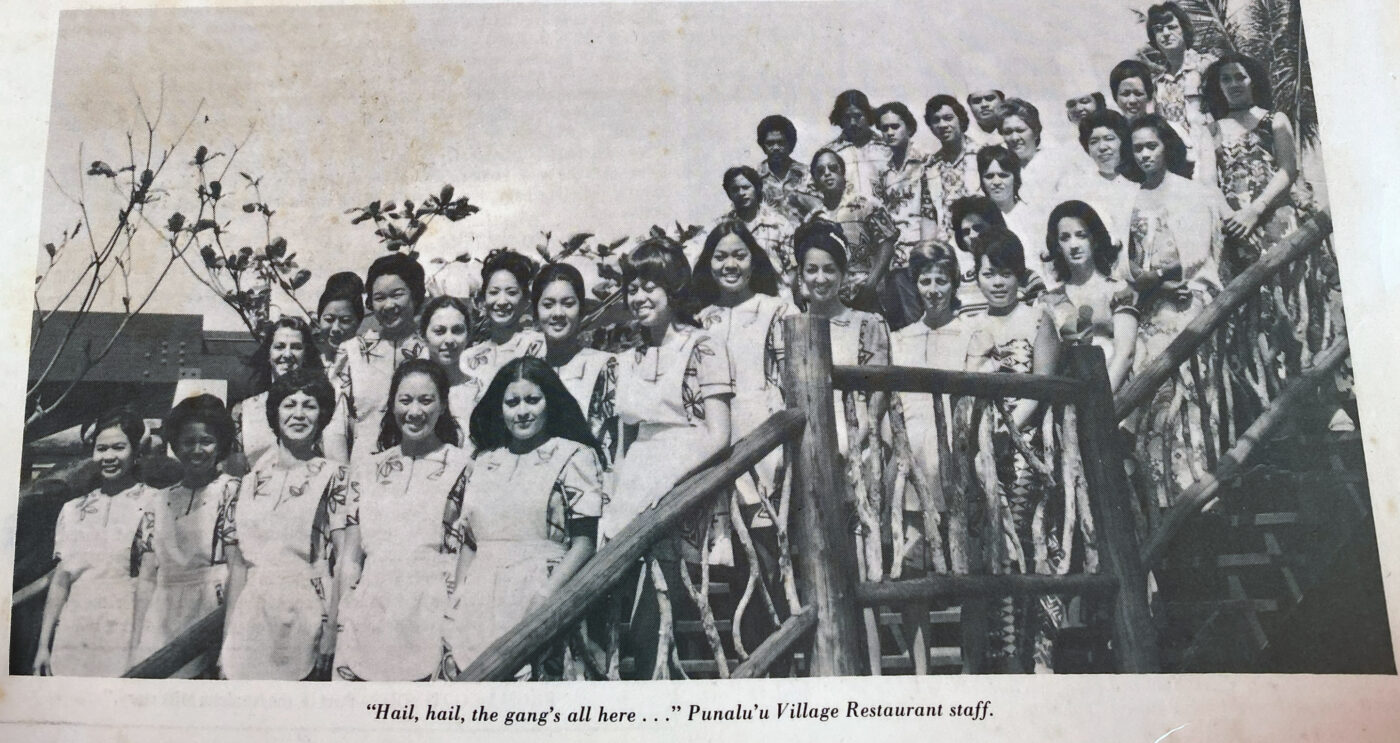
During those years, Punaluʻu provided jobs and training for people in Kaʻū. Local residents were hired. Training programs helped people learn food service and hospitality skills, and many went directly from training into work at the restaurant.
This mattered — not as an achievement, but as a rhythm of life. People worked close to home. Skills were learned. Families stayed rooted.
Honoring Kaʻū’s Story
Next to the restaurant was the Kaʻū Center of History and Culture. It was created to share Kaʻū’s story — through displays, artwork, and models of the district itself. Artisans worked on-site. A large-scale model of Kaʻū was built to help visitors understand the place they were standing in.
It wasn’t meant to impress.
It was meant to remember.
A Village That Functioned
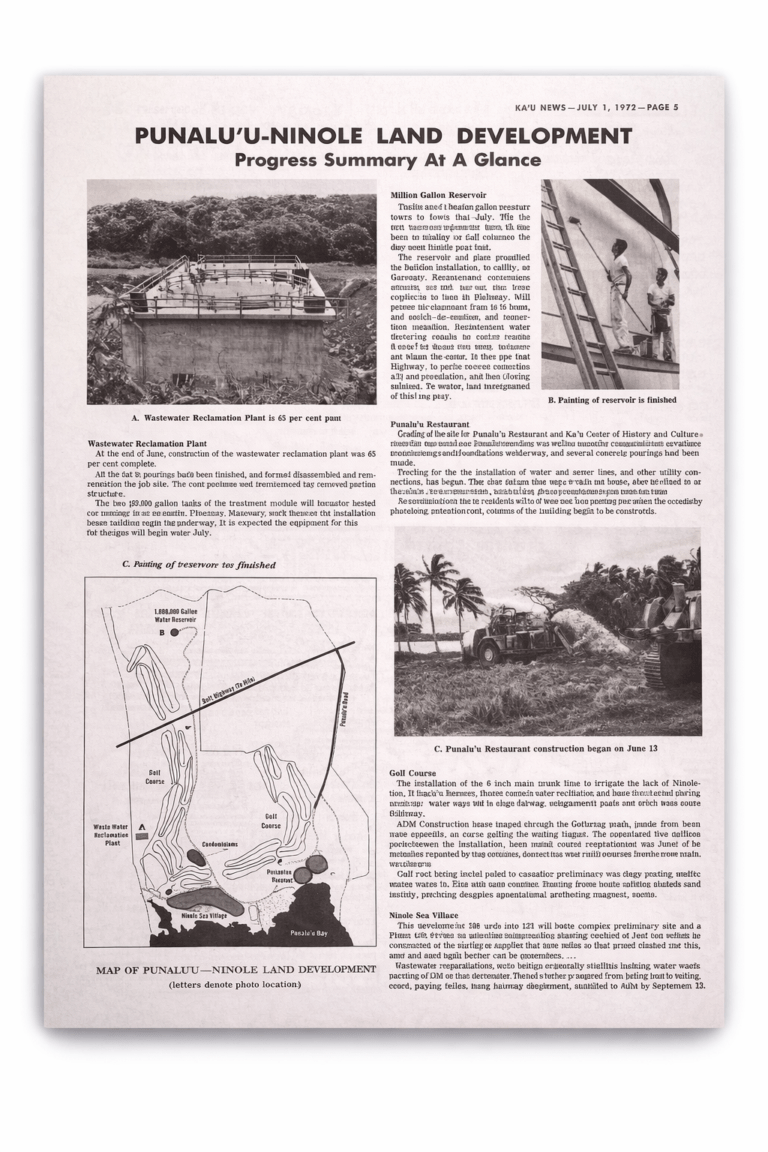
Behind the scenes, Punaluʻu was supported by real infrastructure: water systems, wastewater treatment, underground utilities, roads, and access — all quietly doing what they were meant to do. By the early 1970s, these systems were operating, allowing daily life to happen without spectacle.
Around the village were homes, condominiums, open spaces, and a golf course that brought steady work in maintenance, landscaping, and service. There was even a learning center connected to the Aspen Institute, bringing educators and visitors interested in reflection, culture, and dialogue rather than crowds.
Taken together, these pieces formed something rare:
a coastal village that worked — not perfectly, but sincerely.
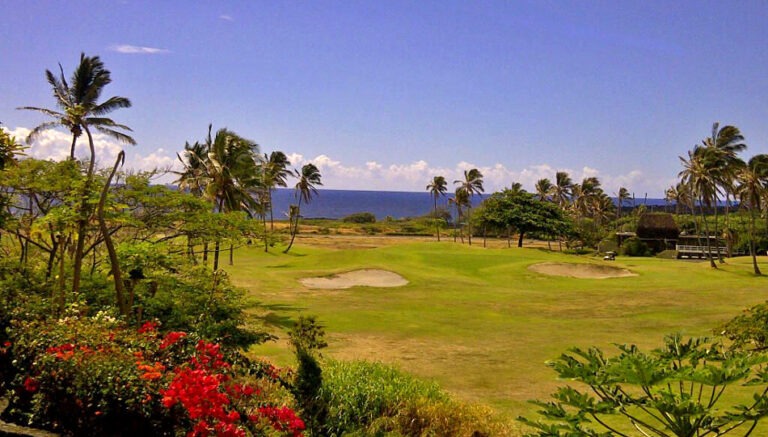
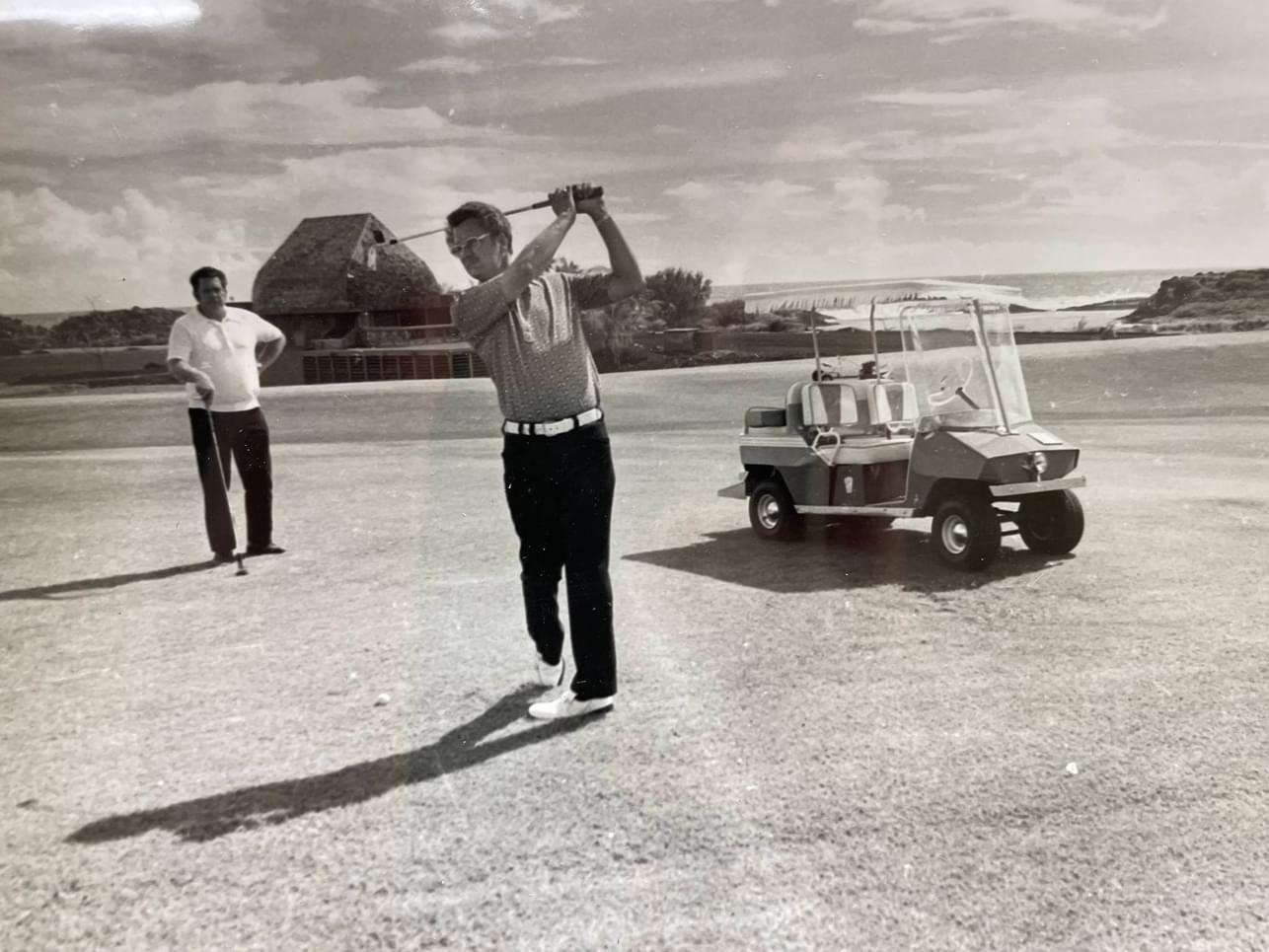
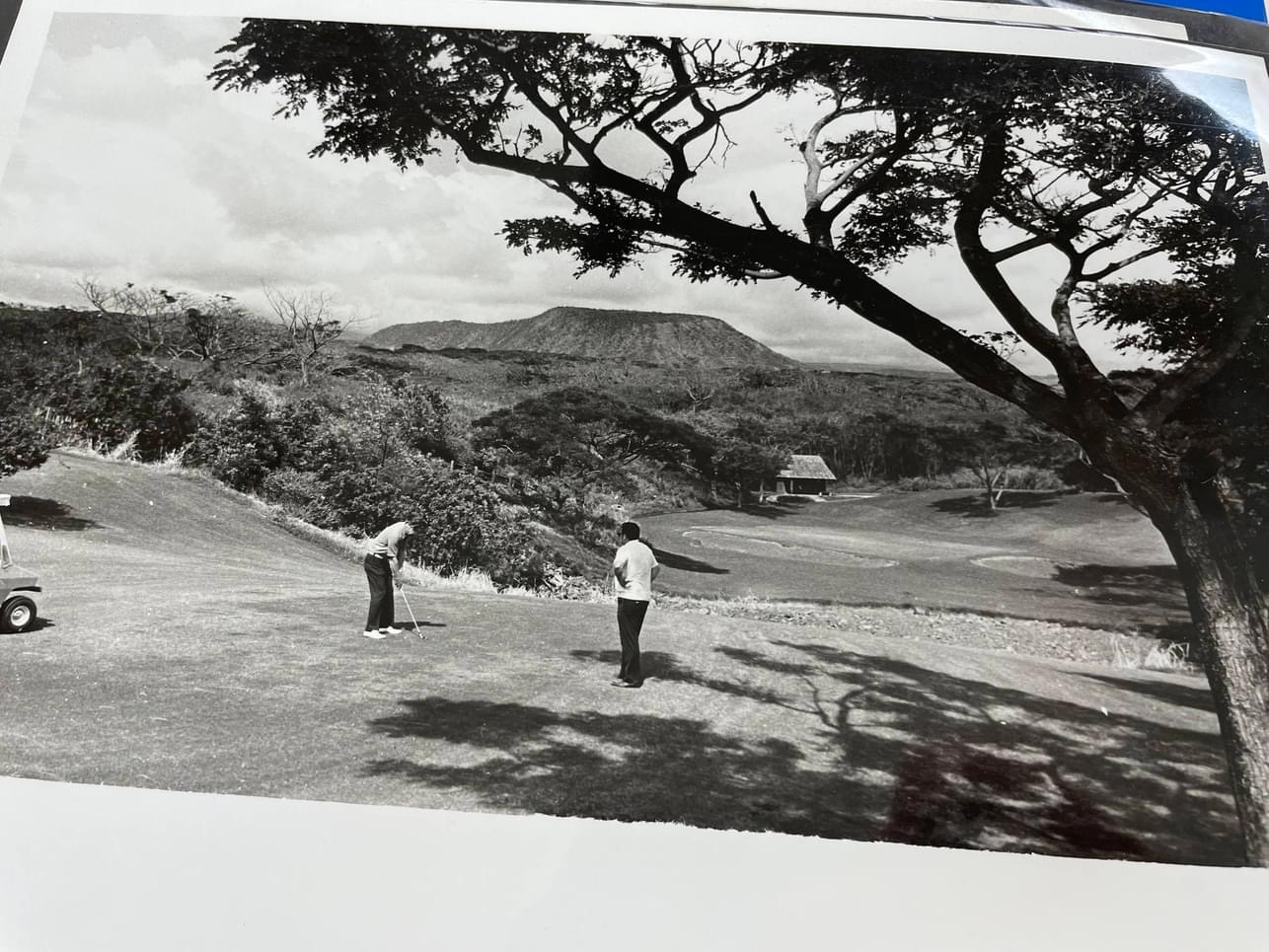
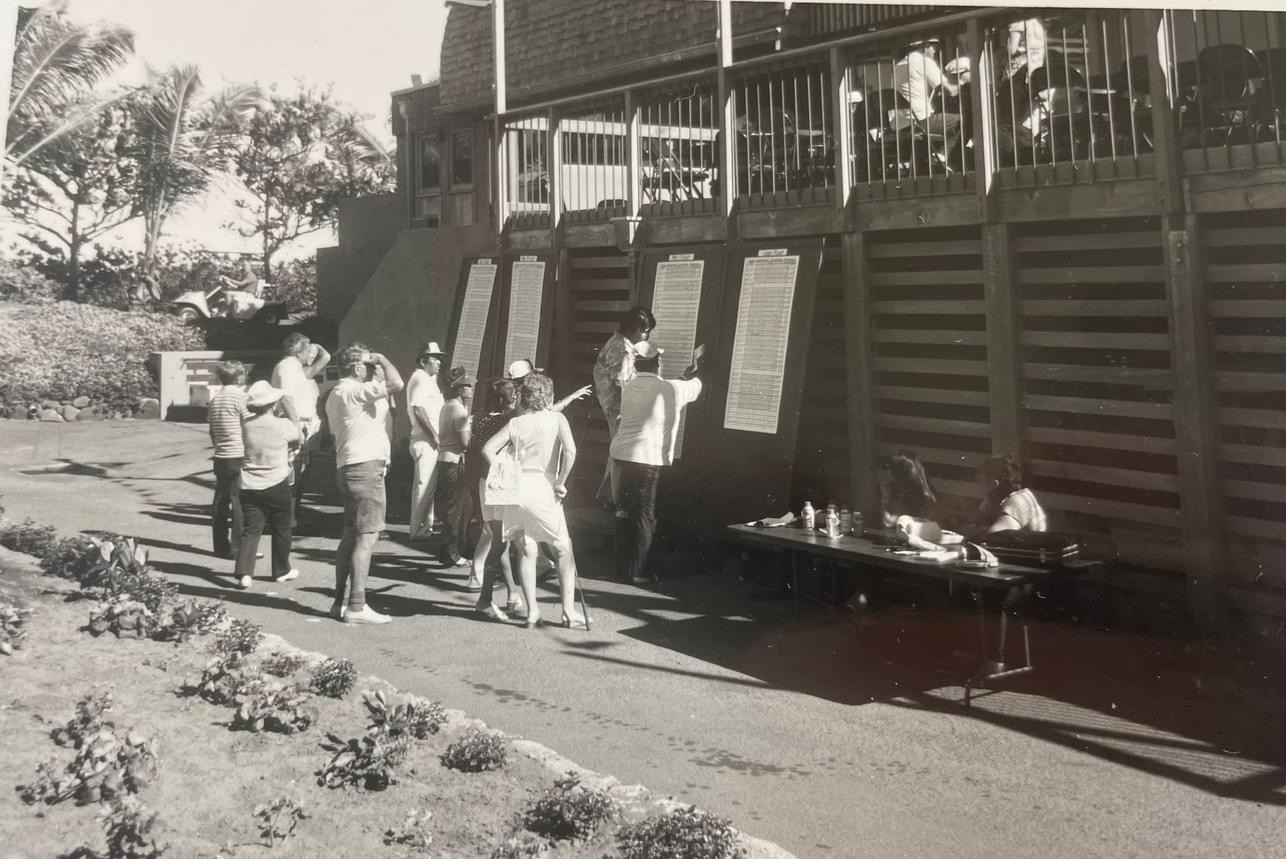
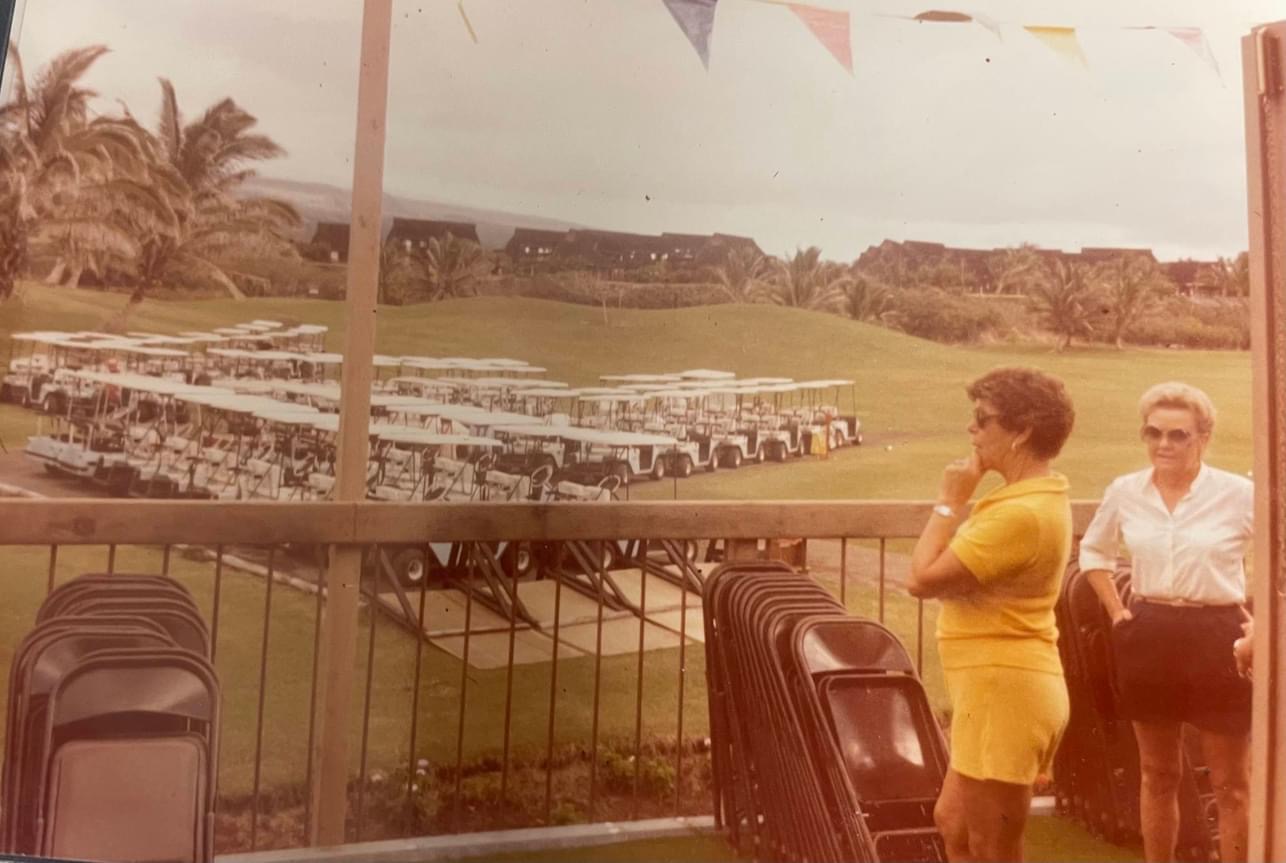
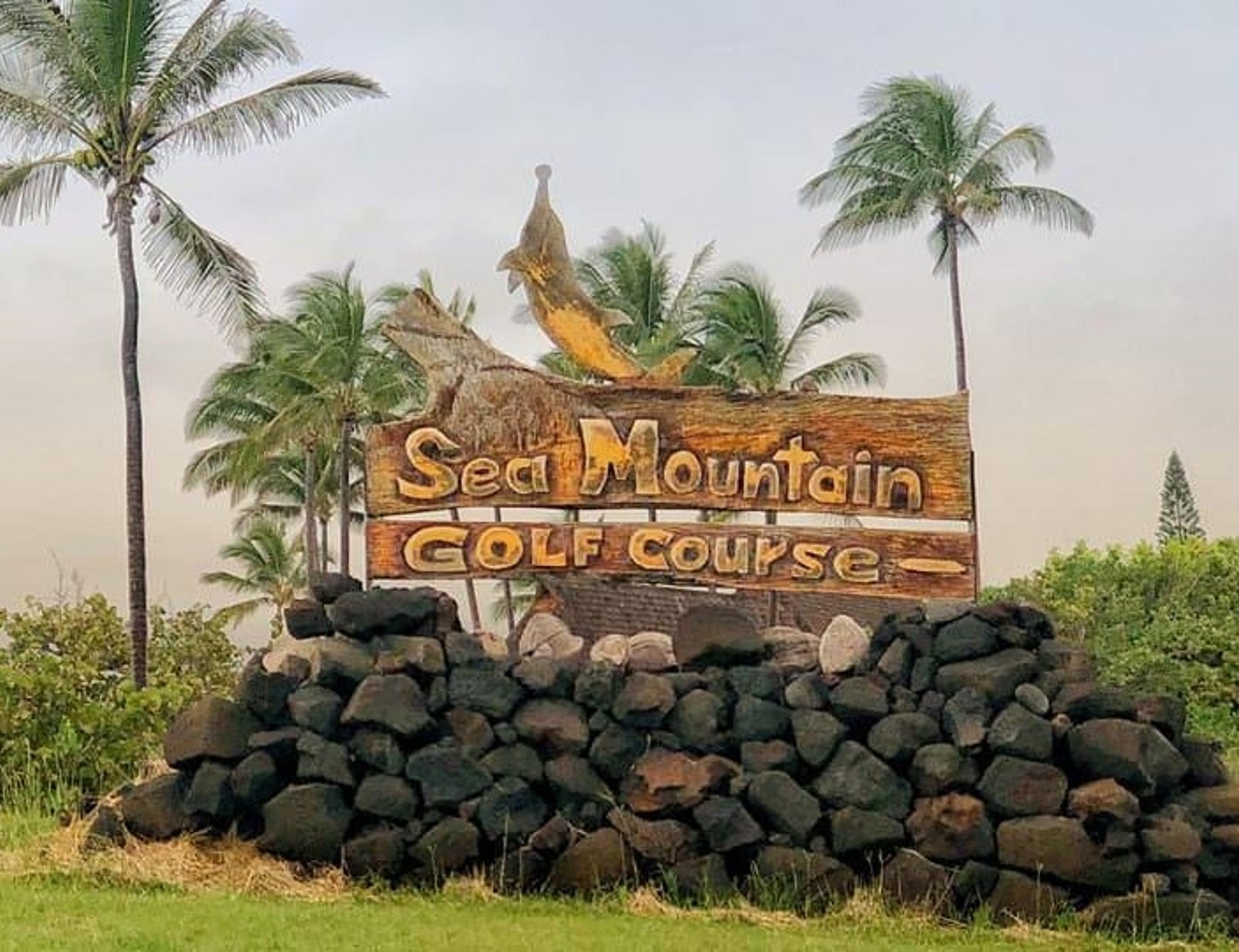
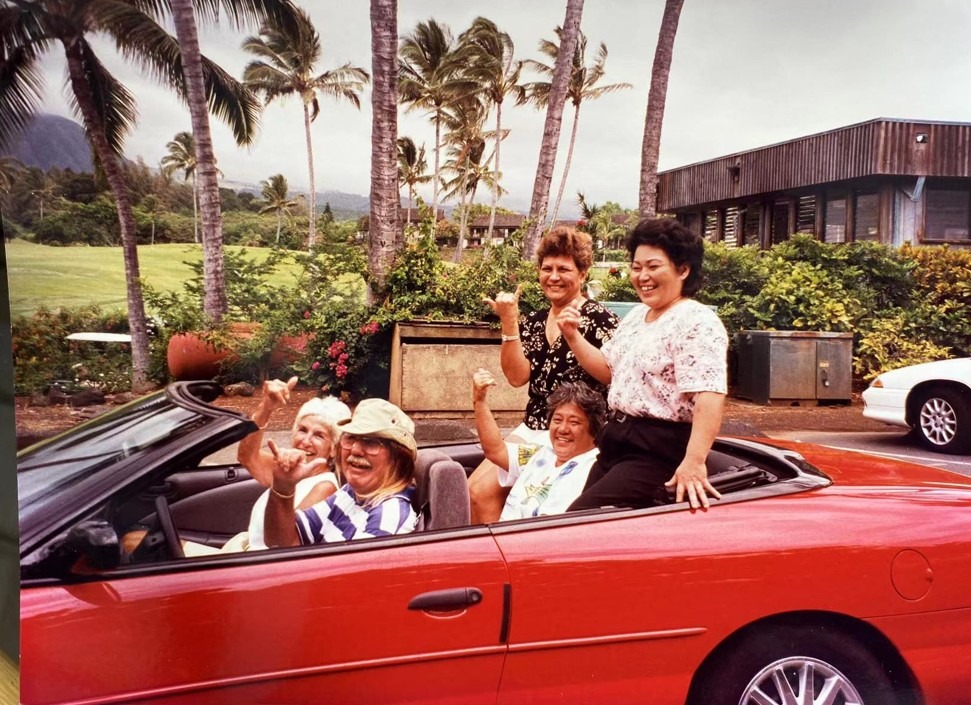
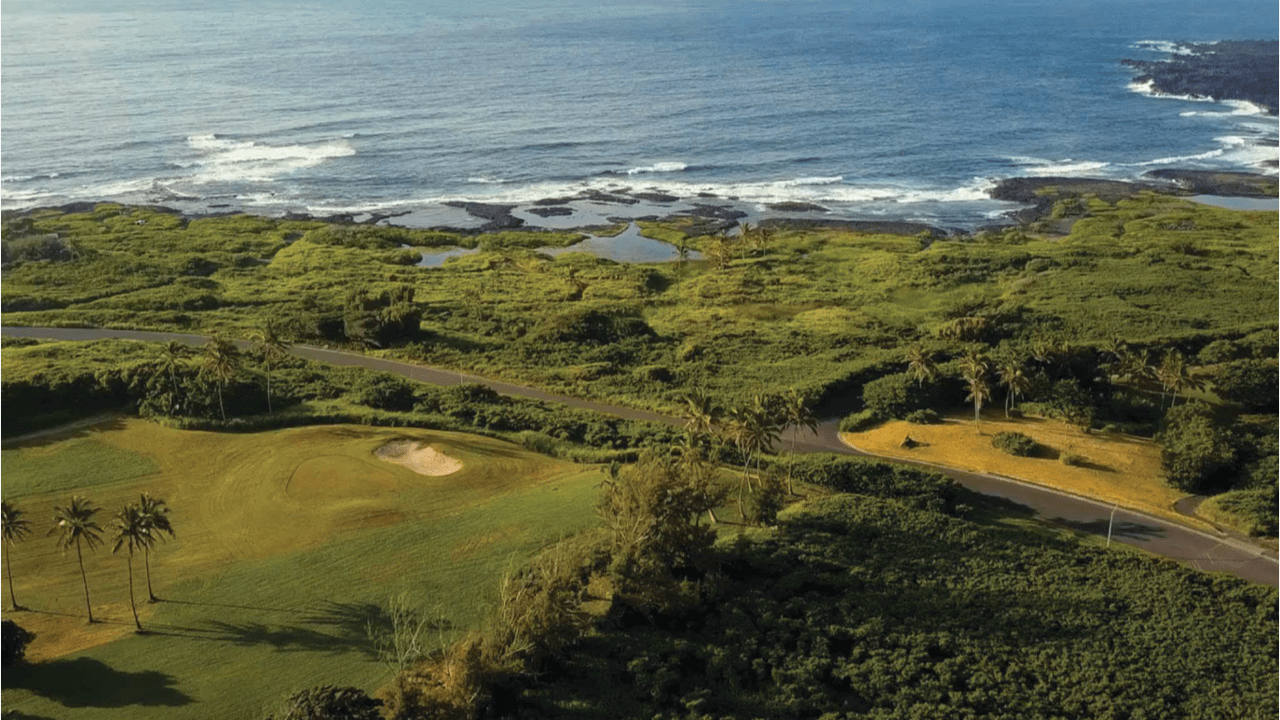
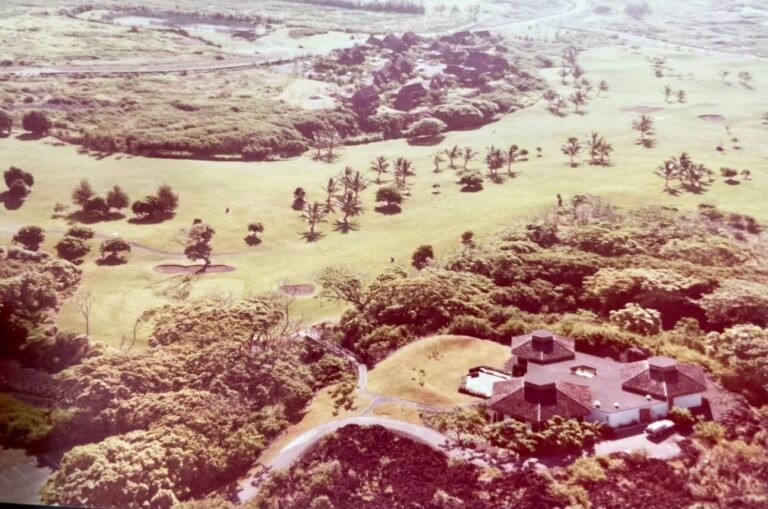
Sea Mountain Golf Course & Clubhouse
A Gathering Ground by the Sea
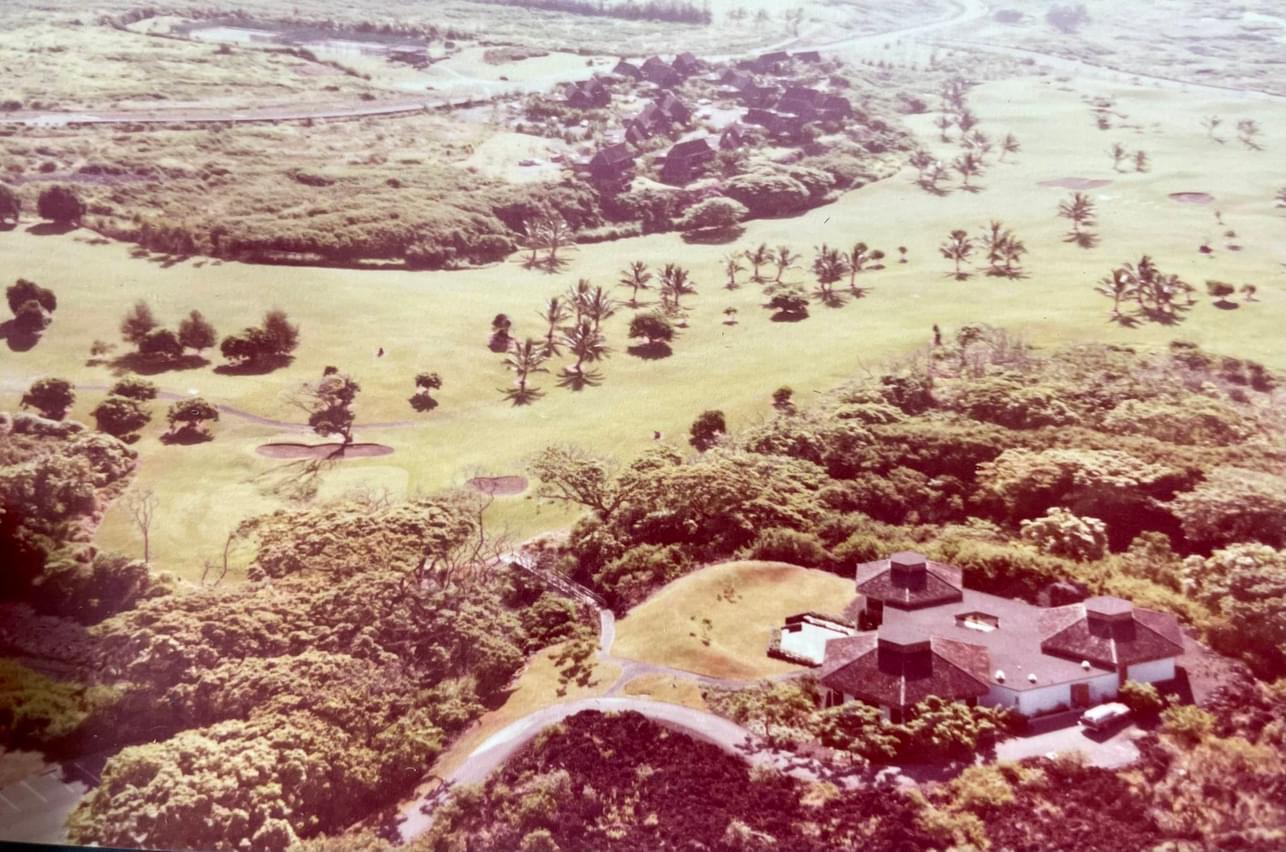
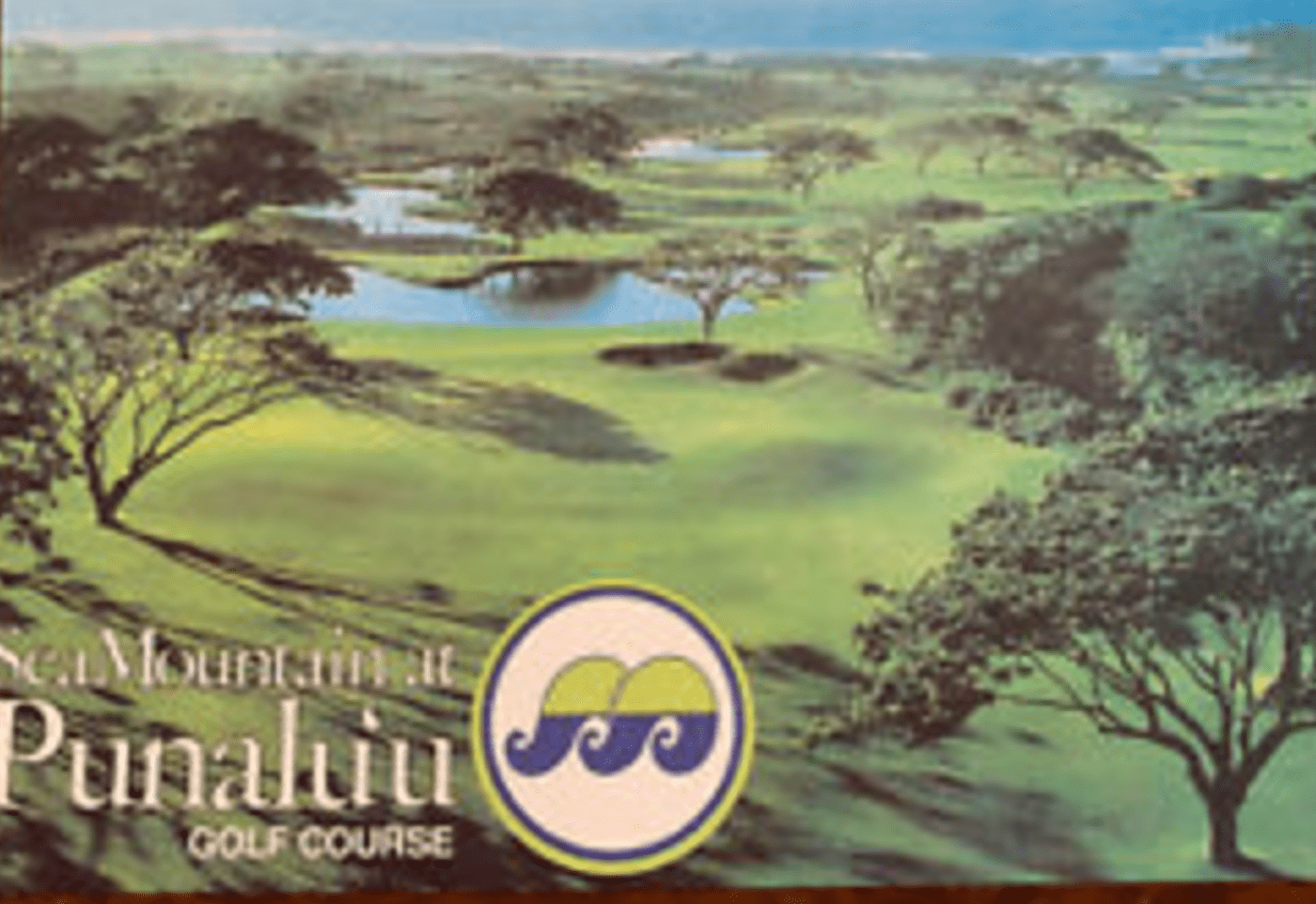
Part of Punaluʻu’s early community era was the Sea Mountain Golf Course, an 18-hole course that curved through rolling fairways with ocean views. For years, it was more than a place to play — it was a place where families, neighbors, visitors, and kamaʻāina gathered, shared time, and enjoyed Kaʻū’s open landscape.
At the heart of the course was the golf clubhouse — a simple, welcoming structure where rounds ended in conversation, refreshments, and the quiet satisfaction of a game played under Hawaiian skies.
While the course is no longer active today, its memory remains part of Punaluʻu’s story: a reminder that this place once held work, play, and community side by side.
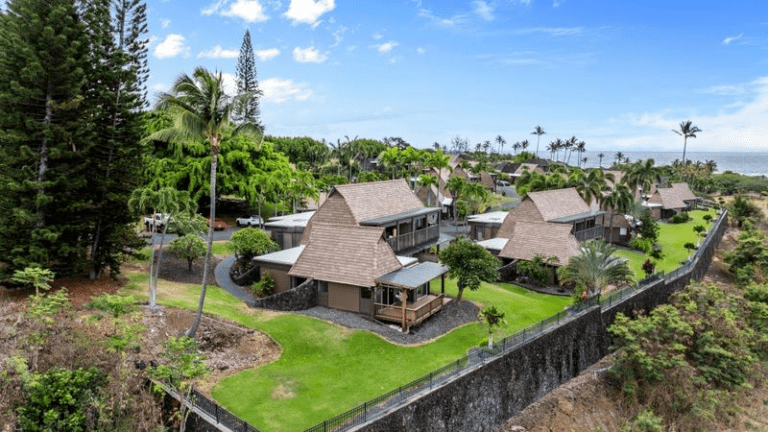
Colony I at Sea Mountain
A Quiet Place Close to Punaluʻu
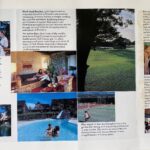
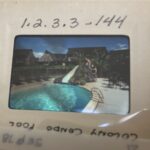
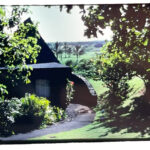
Colony I at Sea Mountain is a long-established condominium community just minutes’ walk from Punaluʻu Black Sand Beach — a place where ocean views, palm-framed skies, and gentle tropical breezes shape daily life. The low-density complex rests among lush tropical landscaping, with pool and hot tub settings that encourage relaxation and time outdoors.
Well-kept grounds and spacious lanais make it a peaceful home for residents and a welcoming spot for visitors who want to experience Kaʻū’s slower rhythm. Its proximity to the beach and nearby natural wonders — from honu on the shore to the dramatic landscapes of Volcanoes National Park — speaks to why people choose to remain close to the bay rather than simply pass through
Aspen Institute Humanistic Study Center
A Thoughtful Pause in Punaluʻu’s Story
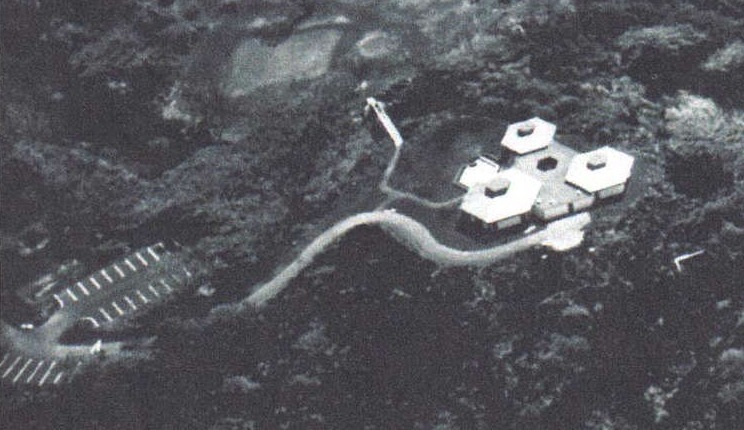
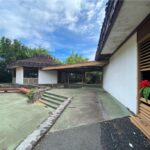
For a period during the early development of Punaluʻu, the Aspen Institute Humanistic Study Center — known locally as the Aspen Center — brought a different kind of presence to this coastal land. It was a space where people came together to reflect, learn, and exchange ideas in a calm, natural setting beside the sea.
Although the buildings were later damaged by the 1975 tsunami and no longer operate, the memory of the Aspen Center remains part of Punaluʻu’s layered history — a reminder that this place has drawn not only visitors and residents, but also thoughtful engagement with ideas and community.

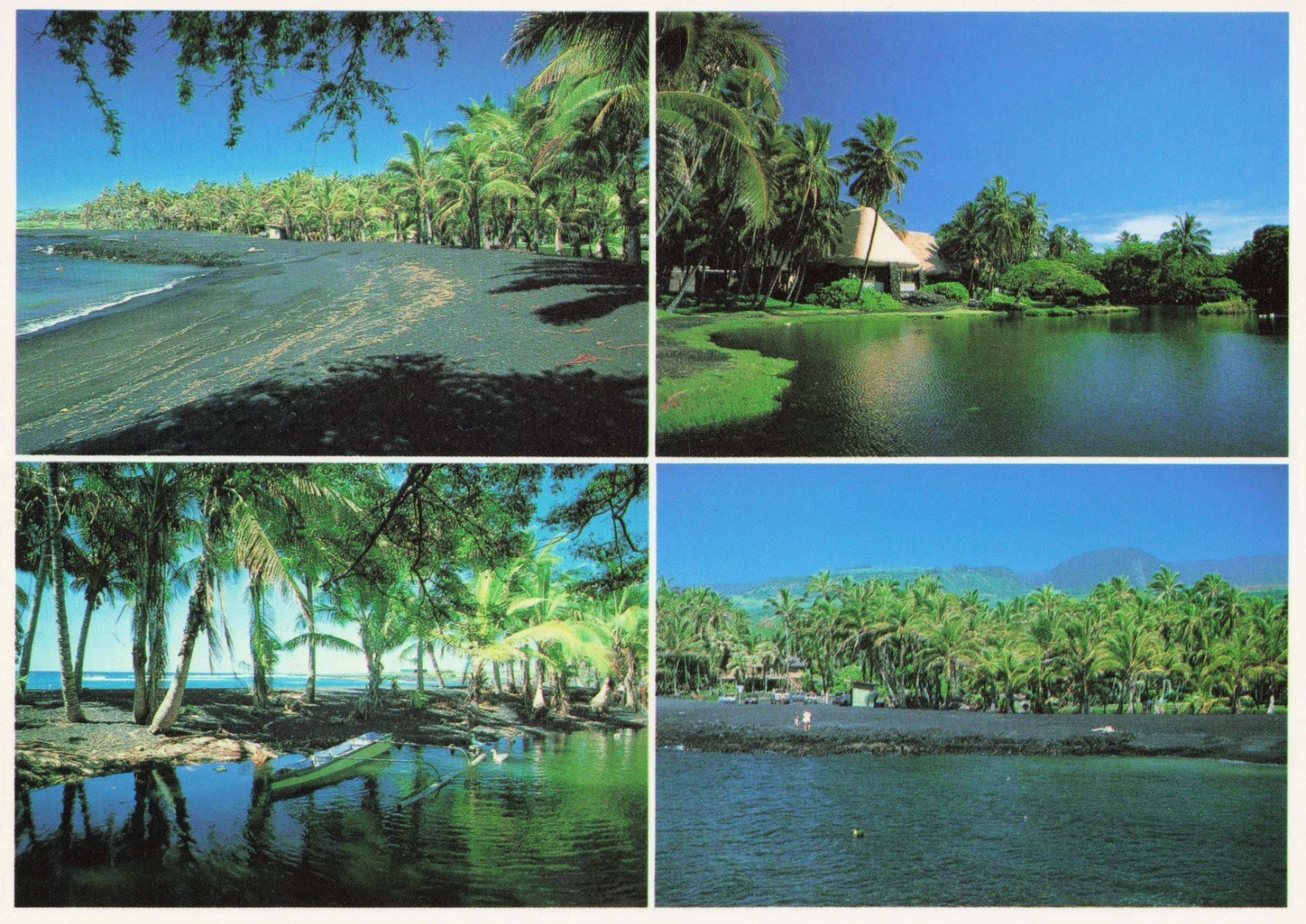
A Community by the Shore
Beginning in 1969, Punaluʻu entered a chapter shaped by connection.
It was envisioned as a complete community system — a place where people could work close to home, gather with family, learn, celebrate, and welcome visitors into the life and culture of Kaʻū. Rather than a single project, it was a network of places working together: the Punaluʻu Village Restaurant, the Kaʻū Center for History and Culture, Sea Mountain Golf Course, Colony I, Kalana I, and the Aspen Center.
For those who lived and worked here, Punaluʻu was part of everyday life. It was where shifts were worked, friendships formed, and milestones celebrated. A place people returned to, not just passed through.
That chapter remains an important part of Punaluʻu’s story — not only for what was built, but for the sense of community it created. Its memory continues to shape how people understand this place today, and why care, stewardship, and thoughtful restoration matter as Punaluʻu moves forward.